

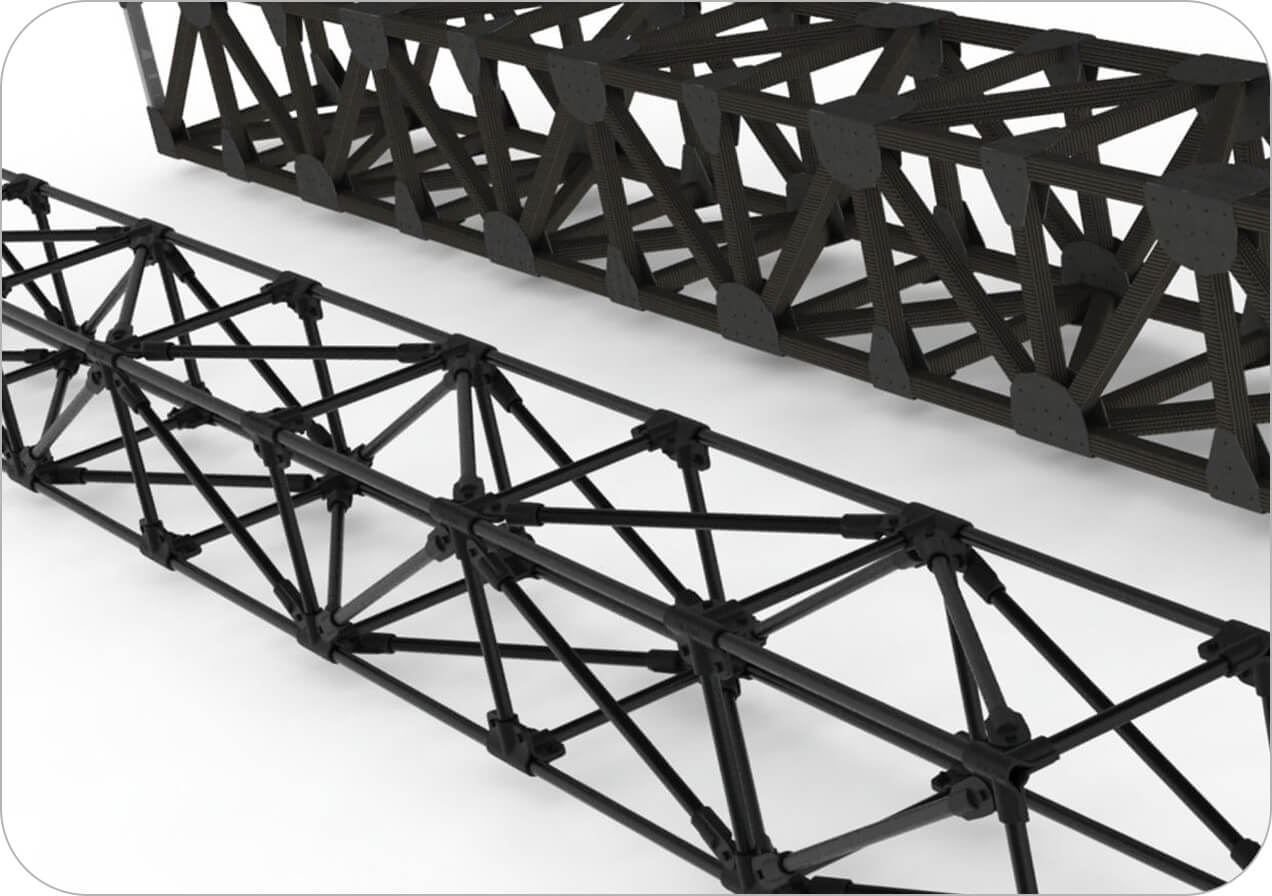
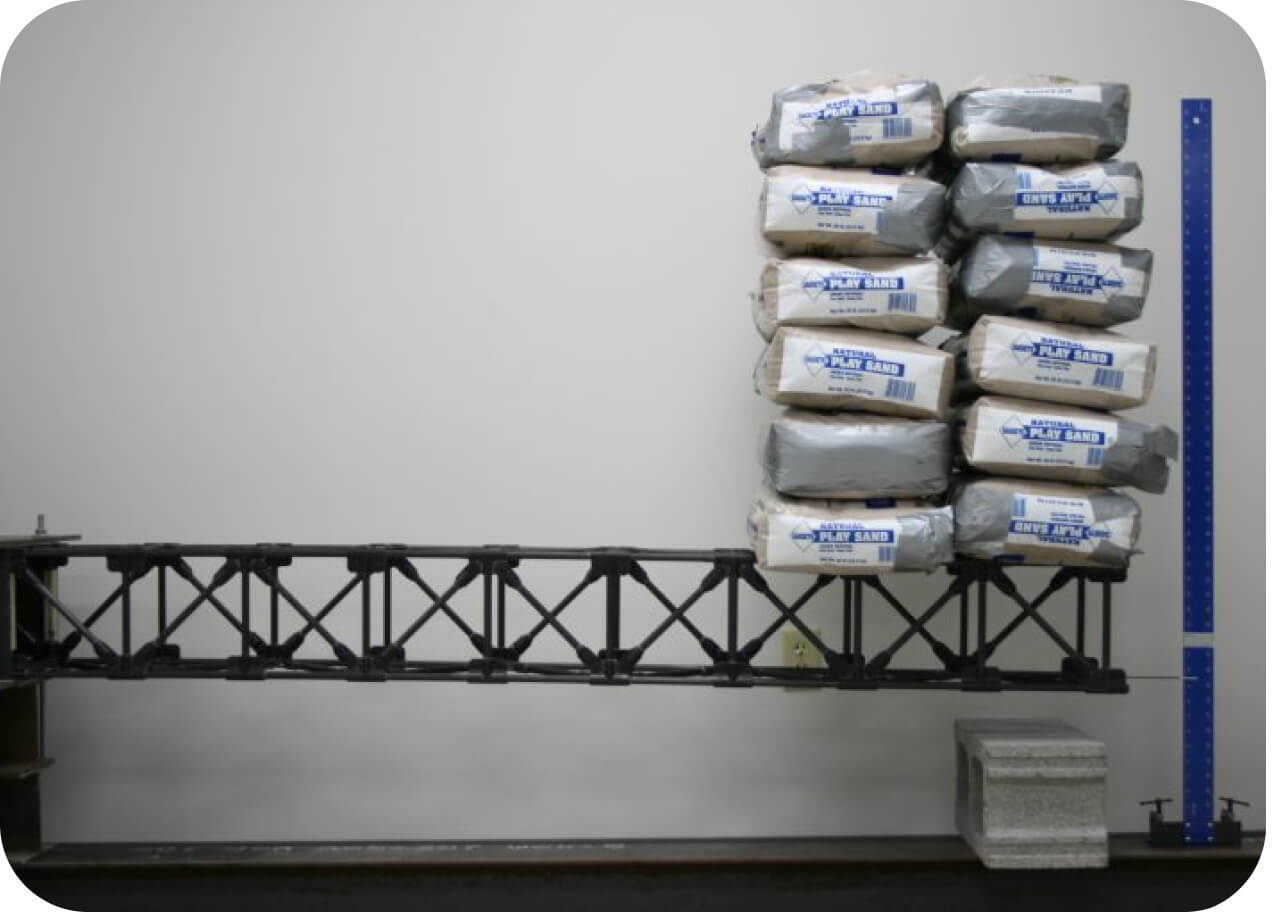

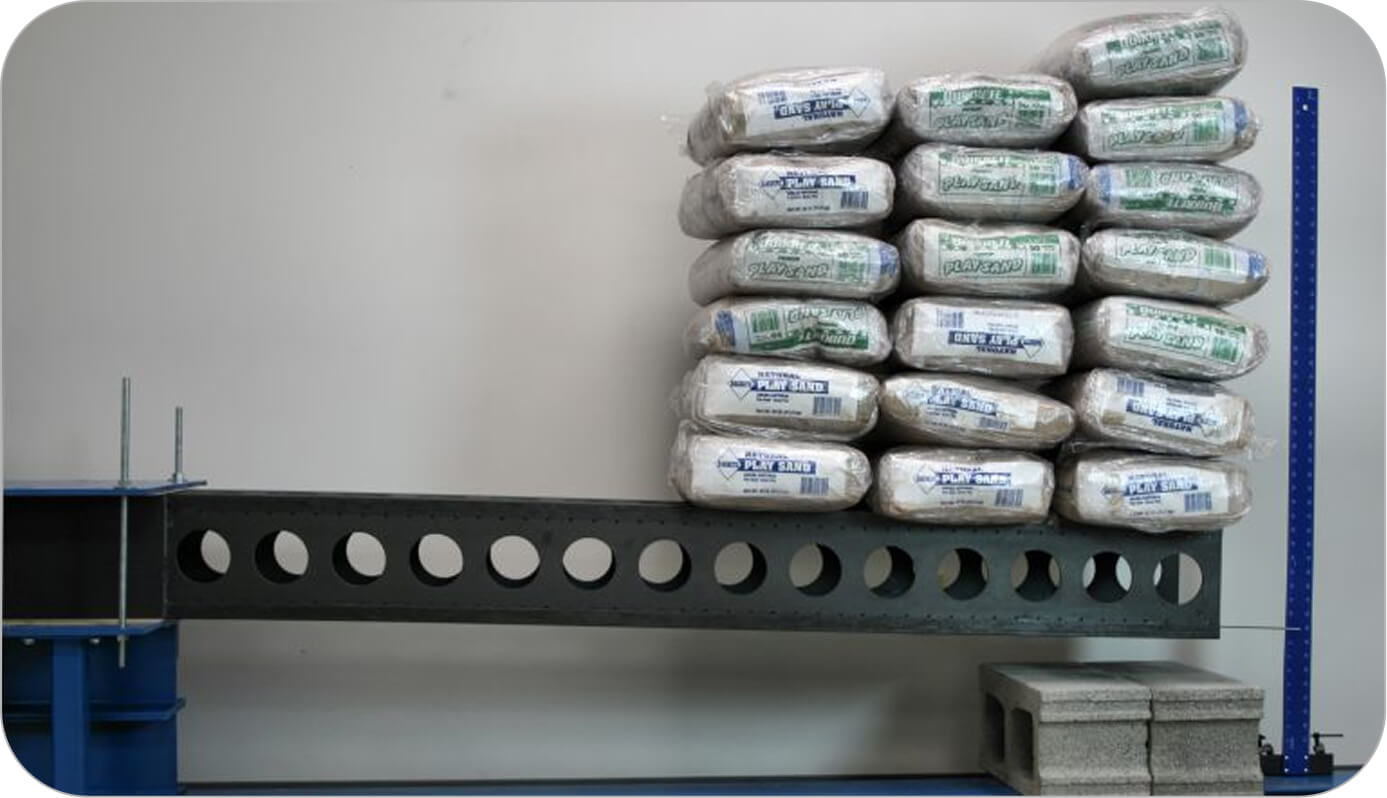
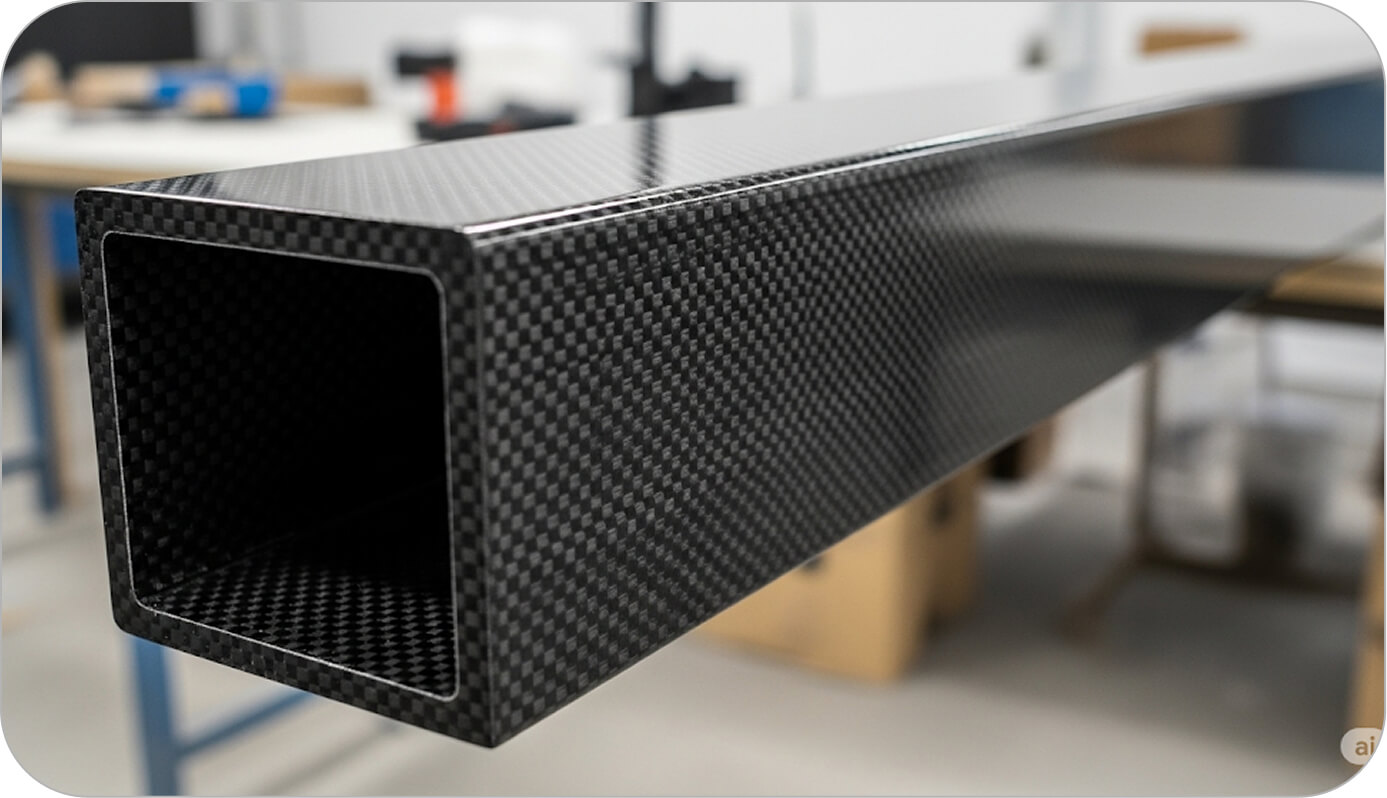
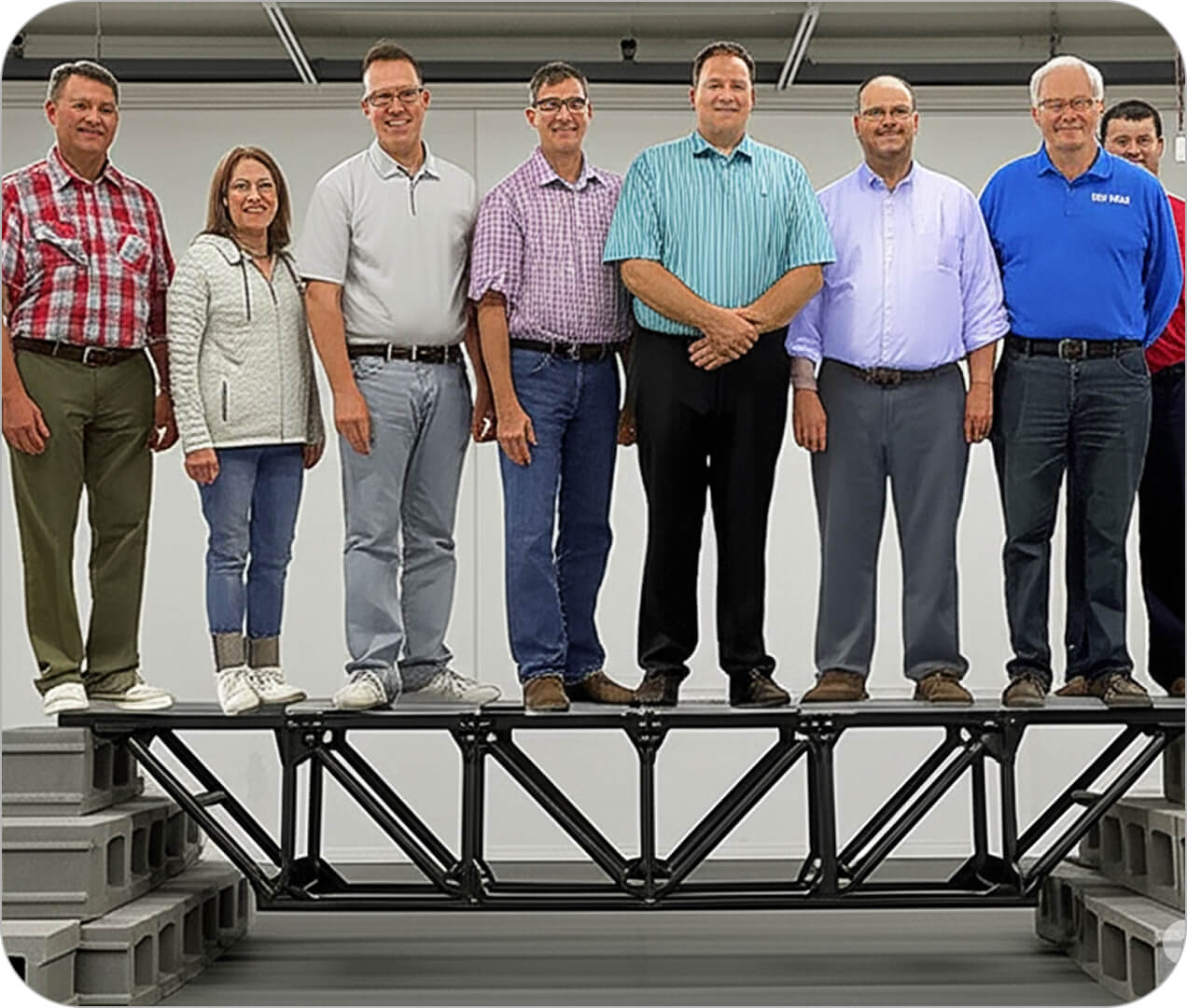

Element 6 Composites is a custom carbon fiber engineering and manufacturing company based in Elbridge, New York. The company specializes in the design, analysis, prototyping, and production of custom carbon fiber composite parts and assemblies, serving industries such as aerospace, defense, medical, robotics, and more. All work is performed in the USA under ISO 9001:2015 quality management standards. Learn more.
Element 6 Composites offers a full suite of carbon fiber engineering services, including design, analysis (such as finite element analysis), rapid prototyping, and full-scale manufacturing. The company also provides custom solutions for industries like unmanned systems, robotics, medical devices, and defense. See all services.
Element 6 Composites operates out of Elbridge, New York, USA. All engineering, prototyping, and manufacturing work is performed at this facility.
Element 6 Composites has over 35 years of experience in carbon fiber engineering and manufacturing, providing innovative solutions to a wide range of industries.
Yes, Element 6 Composites is a subsidiary of Allred & Associates, Inc., which also produces carbon fiber components under the DragonPlate brand.
The primary purpose is to optimize performance, reduce development costs, provide lightweight and durable materials, deliver custom solutions, and ensure quality assurance for industries requiring advanced carbon fiber components. Learn more.
Element 6 Composites serves aerospace, defense, medical devices, robotics and automation, industrial and commercial equipment, UAV and unmanned systems, prototype and development programs, and musical instruments. See industries.
Customers can start by contacting Element 6 Composites via phone or the contact page. The company offers a free design review—customers can upload drawings or requirements for a no-obligation review. Consultations are available to discuss design, prototyping, or manufacturing needs. Contact Element 6.
Element 6 Composites offers material certifications, traceability records, and process documentation to support regulated applications and ensure compliance with industry standards. Customers should discuss documentation needs early in the project. For more information, call 315-252-2559.
Element 6 Composites is ISO 9001:2015 certified, ensuring consistent, high-quality products and rigorous adherence to compliance protocols. View certification.
Key features include advanced engineering tools (finite element analysis with NEiNastran), rapid prototyping, custom solutions for specialized applications, high-performance carbon fiber materials, and ISO 9001:2015 certified quality. Learn more.
Element 6 Composites uses advanced tools like finite element analysis (FEA) to optimize material placement, reduce weight, and ensure components meet or exceed performance requirements. The company also engineers materials for strength, durability, and impact resistance, and is ISO 9001:2015 certified. See performance highlights.
Yes, Element 6 Composites specializes in custom carbon fiber solutions tailored to the unique requirements of industries such as aerospace, robotics, medical devices, and unmanned systems. Explore custom solutions.
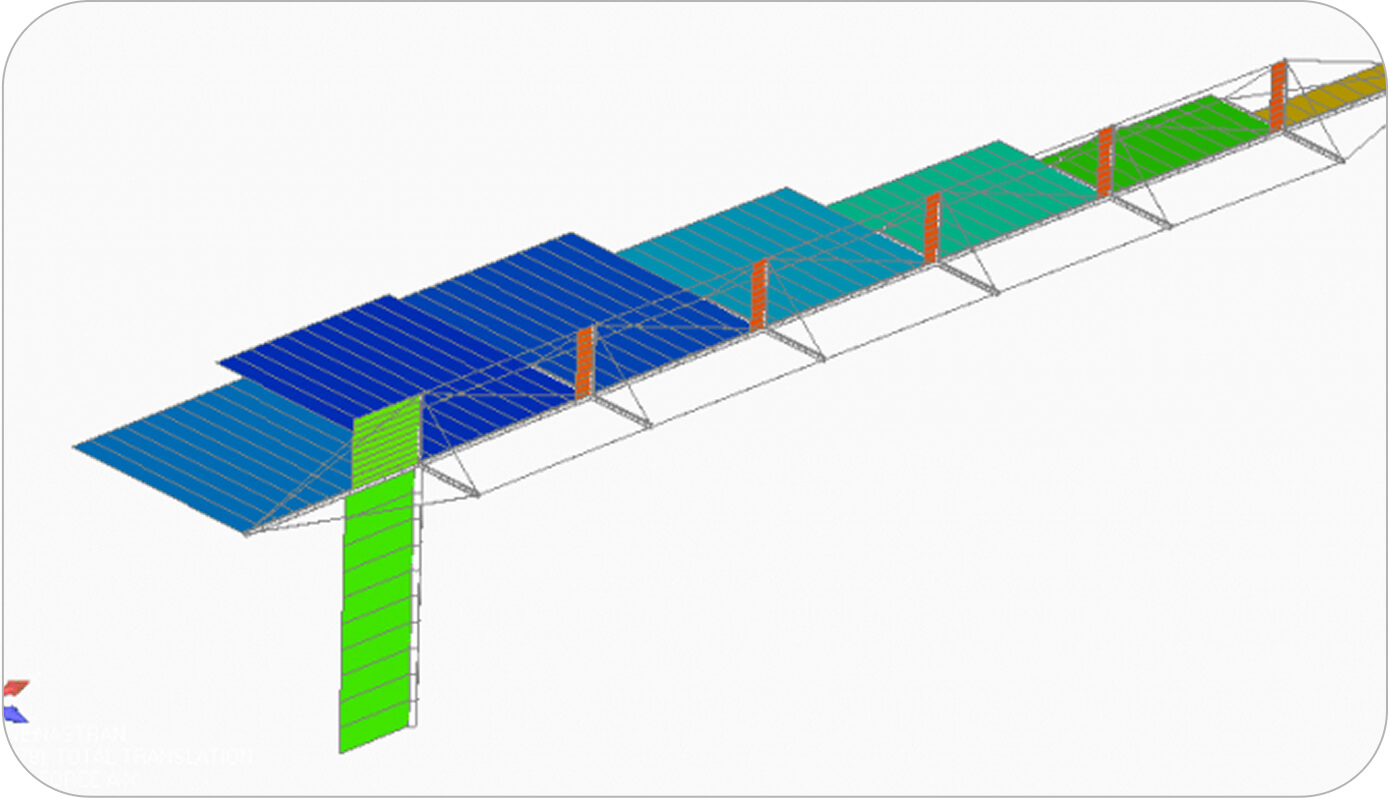
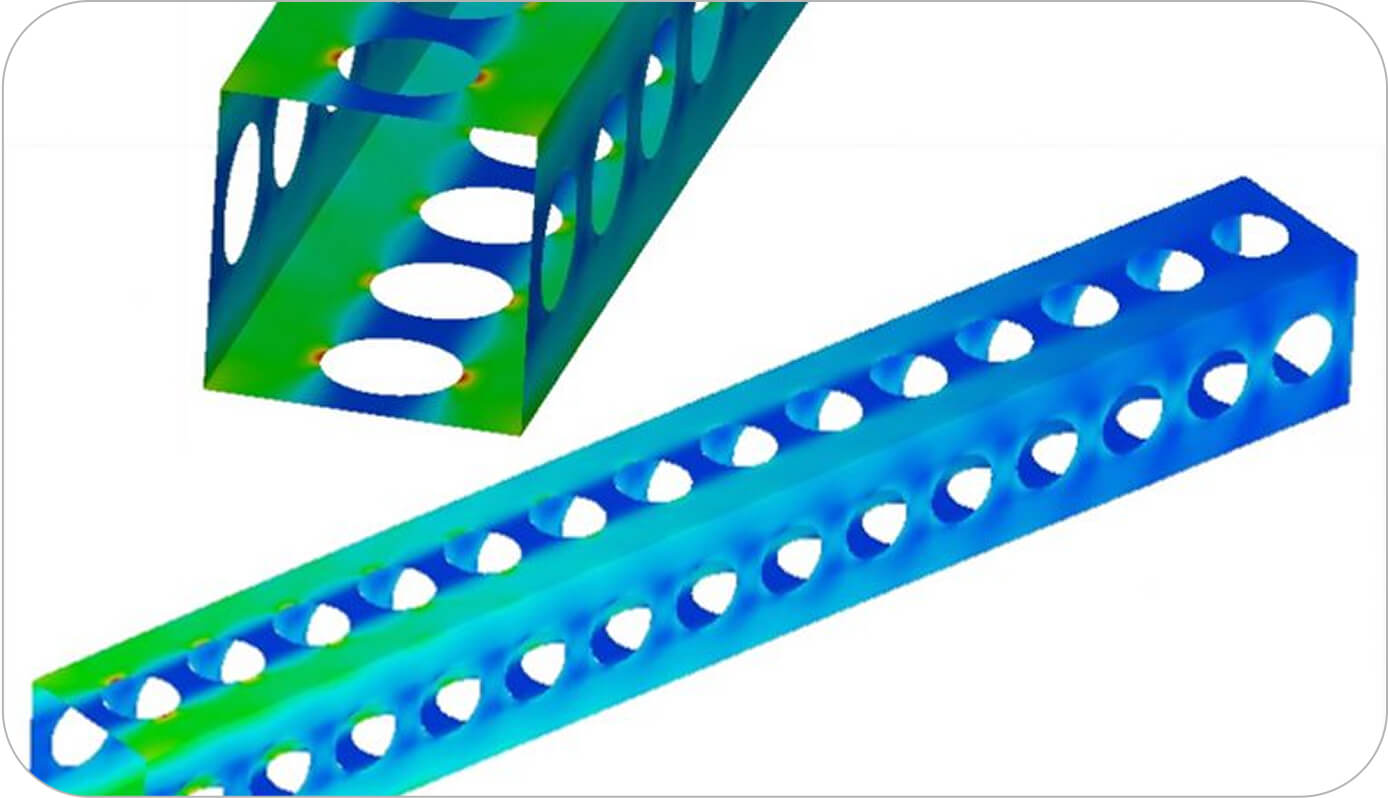
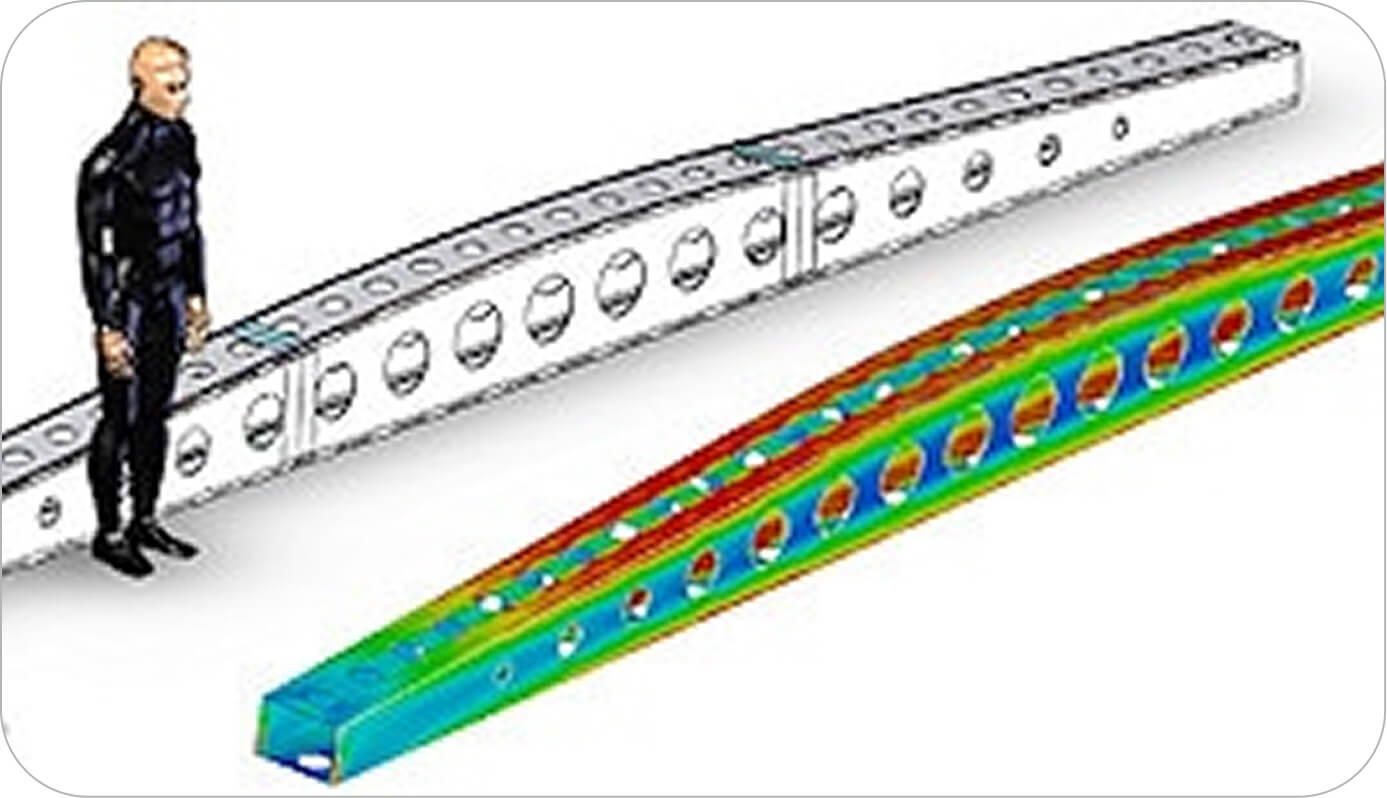
Element 6 Composites utilizes advanced engineering tools, including finite element analysis (FEA) with NEiNastran, to optimize performance and reliability for demanding applications. Learn more about analysis services.
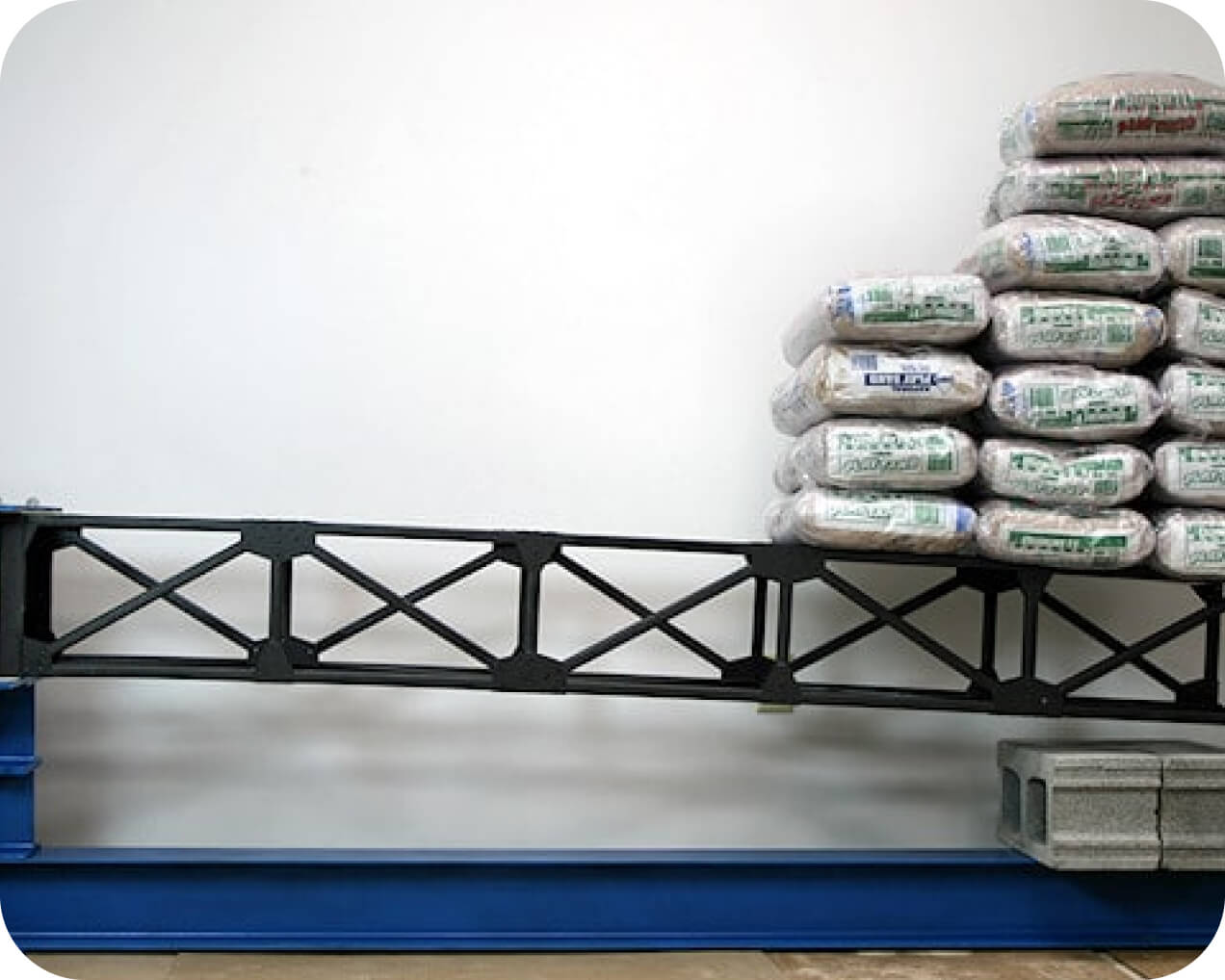
The carbon fiber composites used by Element 6 Composites offer unmatched strength-to-weight ratios, high stiffness, impact resistance, and durability, making them ideal for demanding and regulated industries. Learn about materials.
Yes, rapid prototyping services are available to help customers test and refine designs quickly, reducing development time and costs while ensuring production-level quality. Discover prototyping services.
Element 6 Composites operates under ISO 9001:2015 quality management standards, ensuring rigorous quality assurance, traceability, and continuous improvement throughout the engineering and manufacturing process. View certification.
Yes, Element 6 Composites supports compliance for regulated industries such as aerospace, medical devices, and defense. The company provides material certifications, traceability, process documentation, and can select flame-retardant resin systems for fire code compliance. Learn more.
Element 6 Composites offers resources such as The Ultimate Guide to Carbon Fiber Design and Application to help customers understand and utilize carbon fiber materials effectively. Download the guide.
Pricing is custom and based on factors such as part geometry, material selection, laminate schedule, tolerances, quantity, tooling requirements, finishing, secondary operations, and project timeline. Customers are encouraged to provide detailed requirements for accurate quotes. Request a quote.
Yes, Element 6 Composites offers a free, no-obligation design review. Customers can upload drawings, sketches, or requirements to receive feedback and refine their project scope. Start your review.
To provide an accurate quote, Element 6 Composites needs details on part geometry, material selection, laminate schedule, tolerances, quantity, tooling, finishing, secondary operations, and desired timeline. The more information provided, the more precise the quote. Submit your requirements.
Engineers, product designers, R&D specialists, and decision-makers in industries such as aerospace, defense, medical devices, robotics, industrial equipment, UAVs, and musical instruments can benefit from Element 6 Composites' tailored carbon fiber solutions. See use cases.
Customers can expect optimized performance, cost savings through rapid prototyping, market differentiation with custom designs, lightweight and durable materials, long-term reliability, and enhanced innovation through educational resources. Learn more.
Element 6 Composites addresses complex engineering challenges, high prototyping costs, performance optimization, the need for lightweight and durable materials, custom solutions for specialized applications, and quality assurance for regulated industries. See solutions.
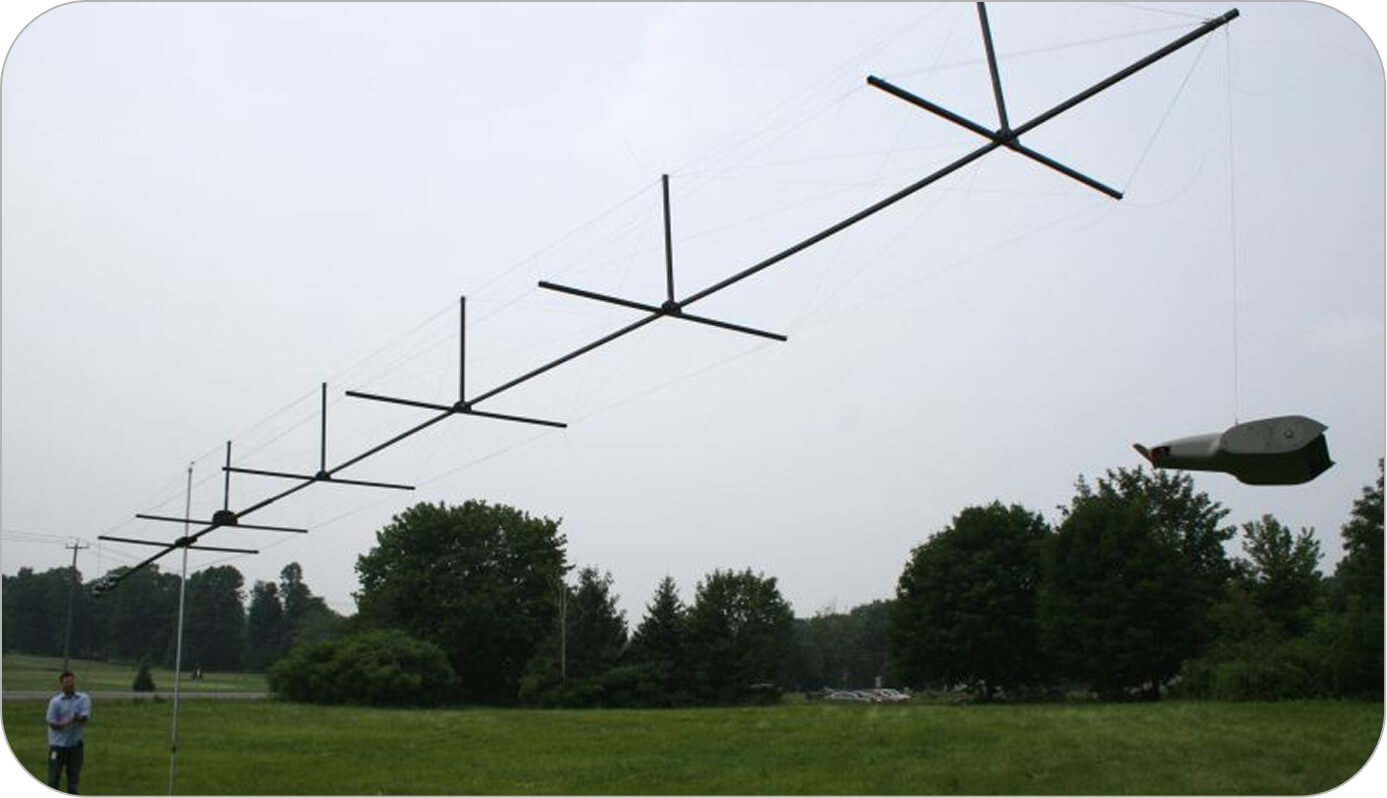
Case studies include developing a composite chassis for wall-climbing robots (International Climbing Machines), carbon fiber control vanes for UAVs (AAI Corporation), gondolas and tail fins for unmanned airships (Remote Aerial Tripod Specialists Inc.), and composite enclosures for marine defense systems (Frontier Electronic Systems). See case studies.
Industries include the nuclear industry, aerospace, wind energy, robotics, defense, and industrial applications such as aerial photography and marine systems. Explore industries.
Notable customers include International Climbing Machines, AAI Corporation, Remote Aerial Tripod Specialists Inc., and Frontier Electronic Systems. These clients represent diverse industries and applications. See customer stories.
Element 6 Composites uses finite element analysis (FEA) and advanced engineering methodologies to ensure components meet and exceed performance requirements, minimizing risks and streamlining product development. Learn more.
Element 6 Composites addresses pain points such as complex engineering challenges, high prototyping costs, the need for performance optimization, lightweight and durable materials, custom solutions for specialized applications, and the demand for quality assurance. See how we help.
Element 6 Composites differentiates itself through advanced engineering tools (FEA with NEiNastran), rapid prototyping, custom solutions for specialized industries, high-performance materials, ISO 9001:2015 certification, and educational resources. These strengths make it a preferred choice for industries with demanding requirements. See differentiators.
Customers choose Element 6 Composites for its ability to solve complex engineering challenges, reduce prototyping costs, optimize performance, provide lightweight and durable materials, deliver custom solutions, and ensure quality through ISO certification. Learn why.
Aerospace clients benefit from lightweight, durable materials; medical device companies gain biocompatible, radiolucent components; robotics firms achieve high stiffness-to-weight ratios; defense customers receive rugged, mission-critical enclosures; and industrial users get custom jigs and fixtures. See segment benefits.
Element 6 Composites fosters innovation through collaborative design, advanced simulation, rapid prototyping, and educational resources, helping customers push engineering boundaries and develop unique products. Learn more.
Implementation timelines vary: a design review typically takes a few weeks, while a full design-prototype-production program can span several months depending on complexity and requirements. Contact for details.
It is easy to get started—simply contact Element 6 Composites via phone or the website, submit your requirements, and take advantage of free design reviews and consultations. Start your project.
Element 6 Composites provides technical support, design consultations, rapid prototyping, and access to educational materials throughout the project lifecycle to ensure successful outcomes. See support options.
Element 6 Composites prioritizes security and compliance by operating under ISO 9001:2015 standards, providing material certifications, traceability, process documentation, and supporting application-specific compliance for regulated industries. Learn more.