Frequently Asked Questions

Carbon Fiber Fabrication Methods

What are the main carbon fiber fabrication processes used by Element 6 Composites?

Element 6 Composites utilizes a variety of carbon fiber fabrication methods, including open molding (hand layup and spray-up), vacuum bagging, resin-infused processes like resin-transfer molding (RTM) and vacuum-assisted resin transfer molding (VARTM), high-volume methods such as compression molding and injection molding, and additive manufacturing (3D printing). The choice of process depends on material type, part design, application, budget, and production volume. Note: Some methods are better suited for prototyping or low-volume production, while others are ideal for high-volume manufacturing. Learn more.

How does vacuum-assisted resin transfer molding (VARTM) differ from traditional resin-transfer molding (RTM)?

VARTM uses vacuum to draw resin into the mold, eliminating the need for high pressure or heat. This allows for the creation of larger, more complex parts at lower tooling costs compared to RTM, which uses moderate pressure to inject resin. Note: VARTM is generally more cost-effective for larger parts but may not be suitable for applications requiring extremely high tolerances.

When should I use 3D printing instead of traditional molding for my carbon fiber part?

3D printing (additive manufacturing) is best suited for prototype tooling and rapid evaluation of form and fit. It allows for quick turnaround and flexibility in design changes. Traditional molding methods are preferred for production runs and parts requiring higher structural performance. Note: 3D printing is typically reserved for prototyping and may not deliver the same mechanical properties as molded composites.

What process ensures the strongest and most void-free carbon fiber part?

Hand layup combined with vacuum bagging is commonly used to produce strong, void-free carbon fiber laminates. Debulking with vacuum removes trapped air and consolidates layers, improving mechanical properties. For even higher performance, Element 6 Composites uses advanced analysis tools and quality management standards. Note: The optimal process depends on part geometry and application requirements; consult Element 6 Composites for recommendations.

Features & Capabilities

What features and capabilities does Element 6 Composites offer for carbon fiber engineering?

Element 6 Composites provides design, analysis, prototyping, and manufacturing services for custom carbon fiber parts. Key capabilities include finite element analysis (FEA) with NEiNastran, rapid prototyping, custom solutions for specialized applications (e.g., unmanned systems, robotics, medical devices), and ISO 9001:2015 certified quality management. Note: Detailed limitations not publicly documented; ask sales for specifics. Learn more.

How does Element 6 Composites optimize performance for demanding applications?

Element 6 Composites uses advanced tools like finite element analysis (FEA) with NEiNastran to simulate and optimize designs, ensuring components meet and exceed performance requirements. The company also tailors solutions for unique challenges in aerospace, robotics, and medical devices. Note: Performance optimization is dependent on accurate project specifications and requirements. Learn more.

Use Cases & Industries

Which industries benefit most from Element 6 Composites' carbon fiber solutions?

Industries served include aerospace and defense, medical devices, robotics and automation, industrial and commercial equipment, UAV and unmanned systems, prototype and development programs, musical instruments, nuclear, wind energy, and photography/media. Note: Some industries may require additional certifications or specialized materials; consult Element 6 Composites for details. See case studies.

Can you share specific case studies or success stories of customers using Element 6 Composites?

Element 6 Composites collaborated with International Climbing Machines to develop a composite chassis for a wall-climbing robot used in nuclear, airplane inspection, and wind turbine blade repair. Projects with AAI Corporation involved precision manufacturing for UAV control vanes. Remote Aerial Tripod Specialists Inc. benefited from lightweight carbon fiber gondolas and tail fins for unmanned airships. Frontier Electronic Systems received a composite electrical enclosure for marine defense, featuring waterproofing and EMI shielding. Note: Case studies are available for review; some applications may require further validation. Read more.

Pain Points & Solutions

What core problems does Element 6 Composites solve for its customers?

Element 6 Composites addresses complex engineering challenges, high prototyping costs, performance optimization, need for lightweight and durable materials, custom solutions for specialized applications, quality assurance, and lack of knowledge about carbon fiber materials. Note: Solutions are tailored to project requirements; limitations may exist for extremely high-volume or highly regulated applications. Learn more.

What pain points do customers typically express when seeking carbon fiber solutions?

Customers often cite challenges such as optimizing performance in demanding applications, reducing prototyping costs, ensuring reliability, sourcing lightweight and durable materials, and needing custom solutions for specialized requirements. Element 6 Composites provides rapid prototyping, advanced analysis, and tailored engineering to address these needs. Note: Some pain points may require additional consultation or specialized materials. Explore solutions.

Pricing & Project Scope

How is pricing determined for custom carbon fiber work at Element 6 Composites?

Pricing is based on part geometry, material selection, laminate schedule, tolerances, quantity, tooling requirements, finishing, secondary operations, and timeline. Element 6 Composites does not provide quotes without sufficient project information to ensure accuracy. Note: Pricing may vary significantly depending on project complexity and requirements. Contact for quote.

Technical Requirements & Support

What technical resources and documentation are available to help customers?

Element 6 Composites offers resources such as The Ultimate Guide to Carbon Fiber Design and Application, educational materials on carbon fiber fundamentals, composite material specifications, and computational analysis insights. These are complemented by ISO 9001:2015 certification. Note: For highly specialized technical requirements, direct consultation is recommended. View resources.

How long does it take to implement a project with Element 6 Composites?

Design reviews typically take a few weeks. Full design-prototype-production programs can take several months, depending on project scope and complexity. Customers can initiate projects via phone or contact page, and benefit from free design reviews and consultation services. Note: Timelines may extend for highly complex or regulated projects. Get started.

Security & Compliance

What security and compliance certifications does Element 6 Composites hold?

Element 6 Composites is ISO 9001:2015 certified, ensuring rigorous quality management standards and consistent, high-quality products. No information is available regarding other certifications such as SOC2. Note: For additional compliance requirements, contact Element 6 Composites directly. View certification.

Customer Experience & Support

How easy is it to start a project with Element 6 Composites?

Customers can initiate projects easily via phone or the contact page. Element 6 Composites offers free design reviews, consultation services, and educational resources to streamline onboarding. Note: Ease of use may vary for highly specialized or regulated projects. Contact us.

Various Carbon Fiber Composite Fabrication Processes
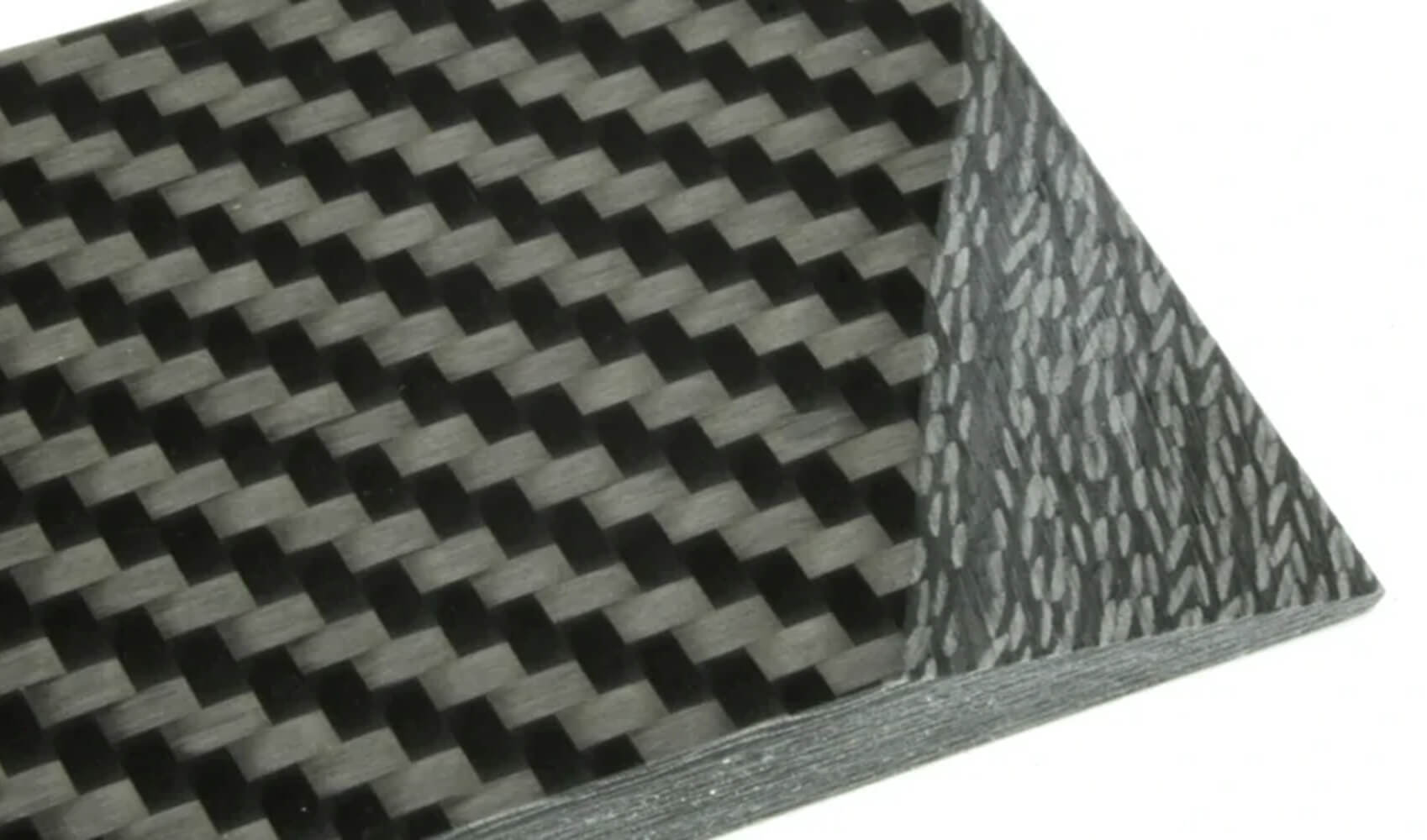
There are multiple processes available for producing carbon fiber parts. Some processes, such as injection molding, are used with a range of materials, while some are more specific to carbon fiber composites. Which process you choose depends on the specific composite materials involved, details of part design, and the application. The available budget and production volume should also factor into the decision.

Most carbon fiber fabrication involves some type of molding to form the carbon fiber composite into the required shape needed for the final application. The processes for composite molding can vary in both tooling and complexity.

Fabrication Methods

Open Molding

Open molding is a common process often used for fiberglass composite fabrication. Open molding can be done with hand layup, or alternatively by spray-up, a semi-automated alternative. The spray-up process involves spraying catalyzed resin and fiber into the mold, by blowing chopped fibers directly into the sprayed resin stream, so that the materials are applied to the mold simultaneously. 

Hand Layup and Vacuum Bagging

Hand layup involves placing layers, or plies, of either dry carbon fiber fabric or prepreg sheets by hand onto a mold to form a laminate stack. Resin is applied between each ply for dry fabric and then the layers are debulked with hand rollers or by using a vacuum-bagging technique. Debulking consolidates the layup and removes air trapped between the layers which can cause voids and weaken the part.

Resin-Infused Carbon Fiber Fabrication

While steps are taken in the spray-up process to reduce VOCs, increasing regulations in the US and EU limiting worker exposure to hazardous air pollutants have created a need for improvement in this area. Additionally, the demand for faster production has driven the development of more automated carbon fiber fabrication processes. There are several types of resin-infused carbon fabrication processes available.

Resin-transfer molding (RTM) Involves using a two-part, matched closed mold, typically made of either metal or composite material. Dry reinforcement is placed into the mold and the mold is closed. Low-viscosity resin is measured and mixed, then pumped into the mold under low or moderate pressure through injection ports. 

Vacuum-assisted resin transfer molding (VARTM) involves drawing the resin into the mold using only a vacuum, as opposed to being pumped under pressure. Neither high pressure nor heat are needed for this carbon fiber fabrication process. Larger, more complex parts can be created less expensively this way due to the lower cost of the tooling needed for the VARTM process.

High-Volume Molding Methods

For high production quantities, a high-volume thermoset molding process called compression molding has often been used. This process typically uses expensive but durable metal tools. Sheet molding compound (SMC), a composite material typically made of chopped fibers sandwiched between sheets of thick resin paste, is placed on a set of steel dies. Once the SMC is ready for molding, it is assembled on a heated mold, which is then closed and clamped before high pressure is applied. As the viscosity of the material lowers, the SMC flows to fill the mold cavity.

Perhaps the most commonly known molding process, injection molding, is a quick, high-pressure, low-volume, closed process. It is most often used with thermoplastics, but automated injection molding of bulk molding compounds (BMC) has become more common over the decades. The BMC injection molding process involves a ram or screw-type plunger forcing a measured amount of material through a heated barrel to inject it into a heated closed mold.

There are a number of other high-volume molding methods for carbon fabrication that involve combinations of these two processes or other, similar processes. Some examples of other high-volume molding methods include tube rolling,  filament winding, pultrusion, automated fiber placement (AFP), and automated tape laying (ATL).

Additive Manufacturing

Additive manufacturing, or 3D printing, is an automated process that creates a 3D object from a series of 2D, cross-sectional layers. Additive manufacturing techniques always begin with computer-aided drafting (CAD) solid models. Proprietary software is then used to slice the model into thin 2D cross-sectional patterns which tell the 3D printer how to stack the 2D slices to create a physical 3D part.

3D printing makes use of a number of different materials these days, based on the specifications of the 3D printer being used. Additive manufacturing methods commonly used today are stereolithography (SLA), fused deposition modeling (FDM), selective laser sintering (SLS), digital light processing (DLP), and PolyJet printing. FDM is the method most commonly used for fiber-reinforced plastics, making it the best choice for carbon fiber fabrication. Regardless of the method used, 3D printing is a method usually reserved for prototype tooling, allowing a part to be quickly available for the evaluation of form, fit, and occasionally testing.

The best method for carbon fiber fabrication for your project depends heavily on the volume of parts to be fabricated, your budget, and what the final application for your parts will be. Some carbon fiber fabrication methods lend themselves to DIY, while others require hiring a professional carbon fiber fabricator. Knowing the variety of carbon fabrication methods available makes it easier to determine the best method for your application.

View All Articles

Carbon Fiber Specialists​

© 2025 Element 6 Composites. All Rights Reserved