



Frequently Asked Questions

Product Information: Carbon Fiber Radar Systems

What are carbon fiber radar systems and what makes them unique?

Carbon fiber radar systems are advanced radar solutions that utilize carbon fiber composites for structural components, offering high strength-to-weight ratios, durability, and resistance to harsh environments. These systems are designed for applications requiring lightweight, robust, and reliable performance, such as military and border surveillance.

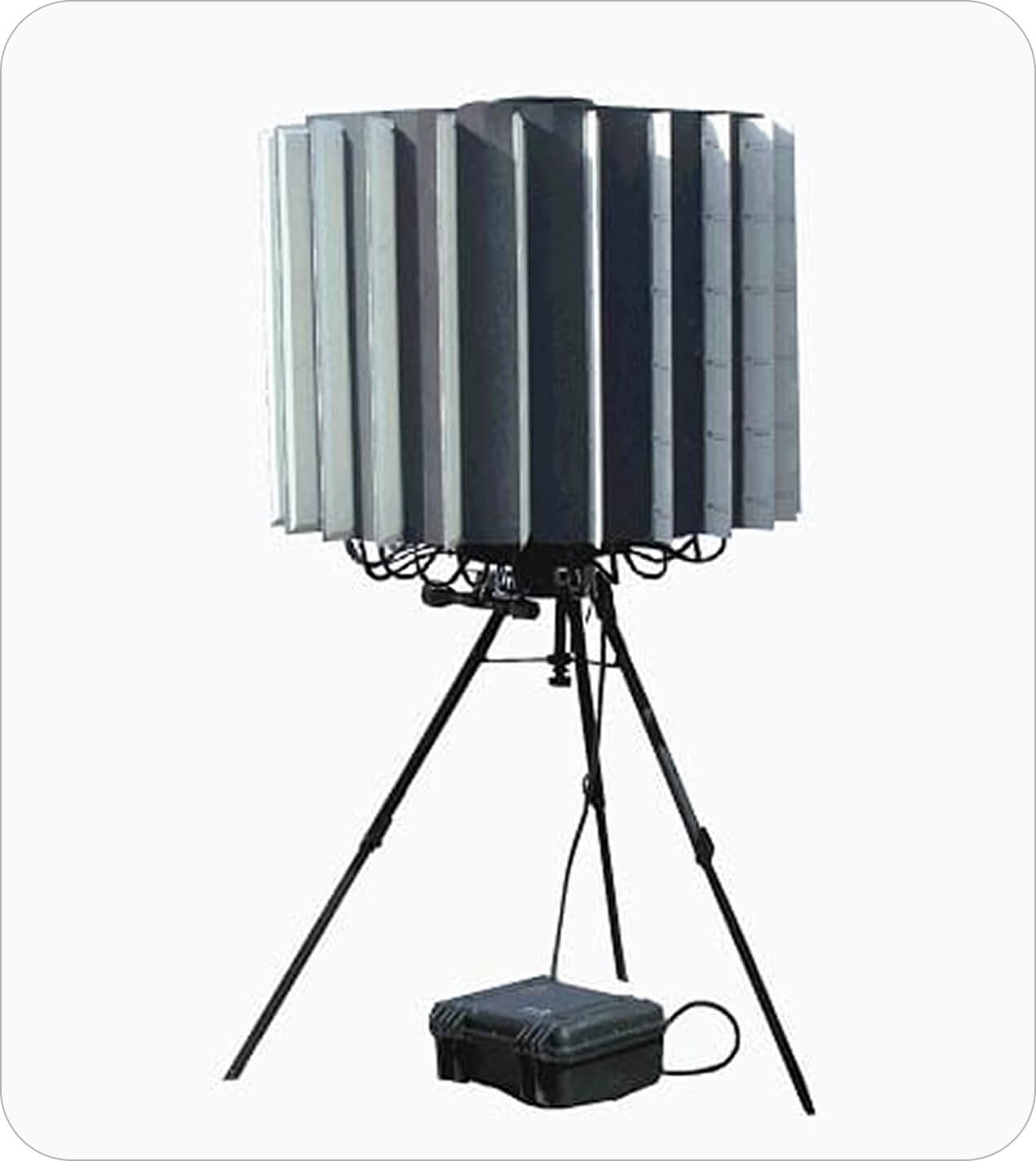
What is the Lightweight Counter-Mortar Radar (LCMR)?

The Lightweight Counter-Mortar Radar (LCMR) is a radar system developed by SRC, Inc. for the United States Special Operations Command. Element 6 Composites developed, prototyped, and manufactured the load-bearing carbon fiber building structure for the LCMR, which is deployed worldwide in counter-terrorism operations.

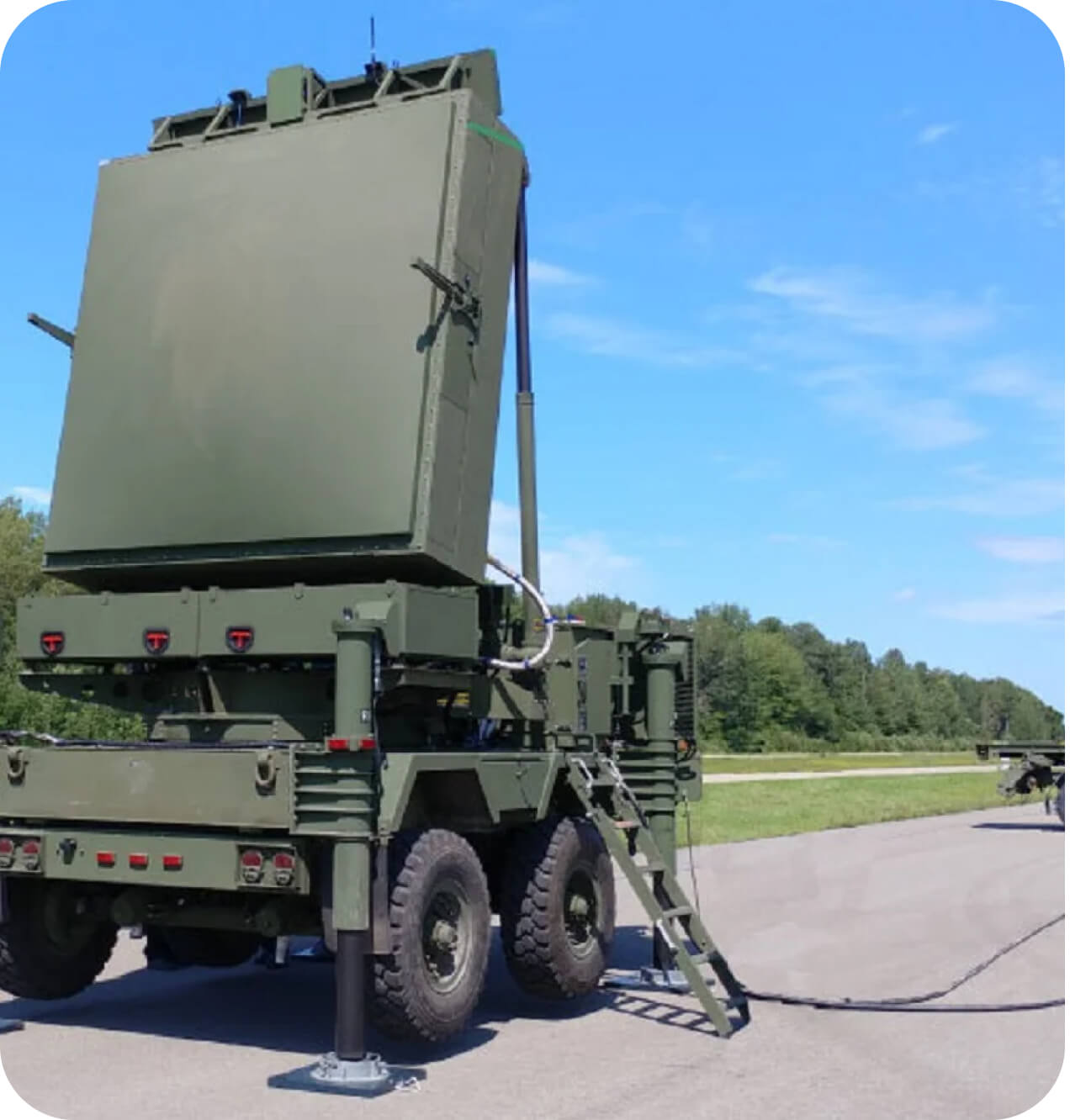
What is the Multi-Mission Carbon Fiber Radar system (MMR)?

The Multi-Mission Carbon Fiber Radar system (MMR) is a tactical radar developed by SRC, Inc. and Lockheed Martin for the U.S. Army. It is designed to provide increased capabilities, flexibility, and mobility for modern, highly mobile military forces, supporting a wide range of operational environments.

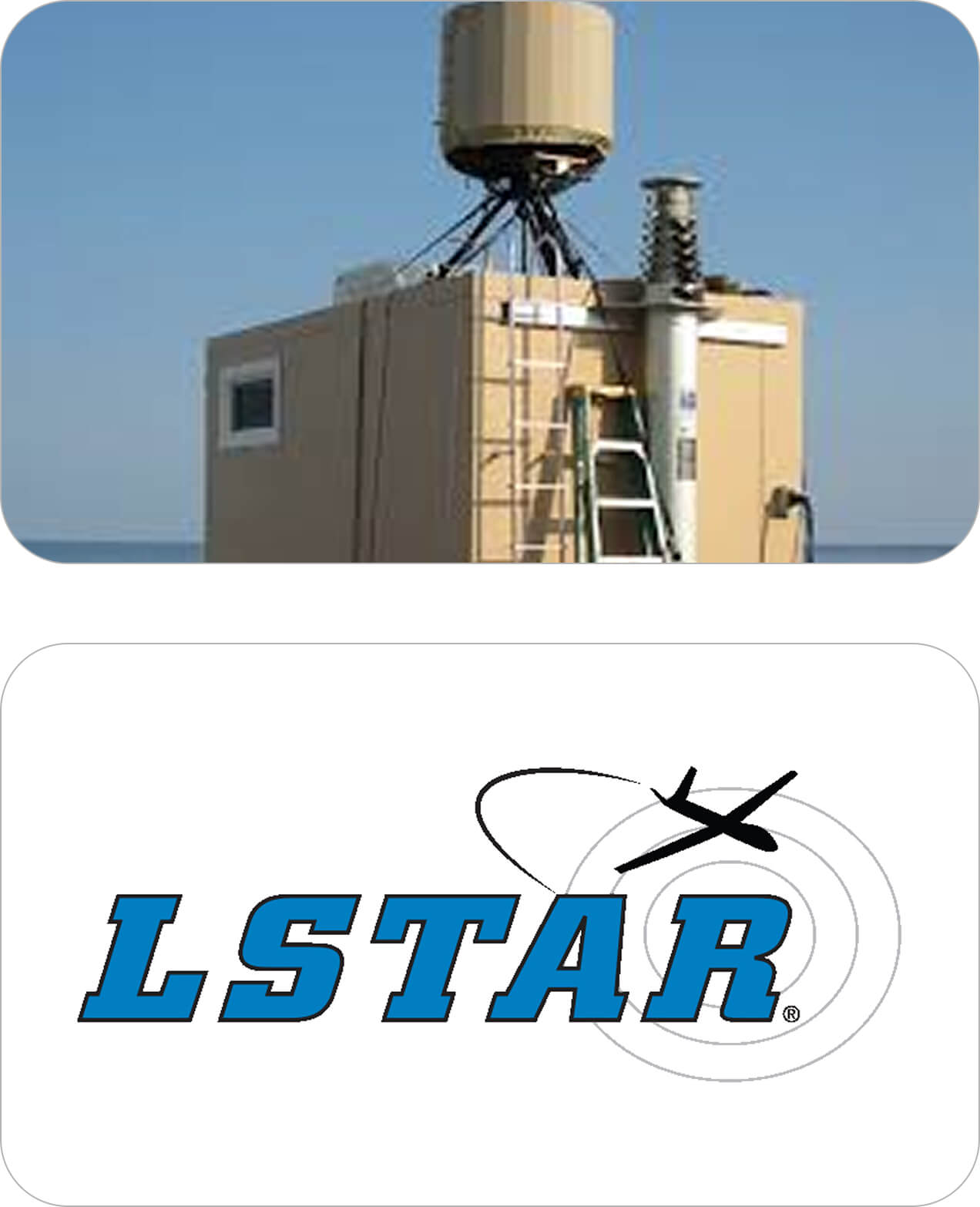
What is the LSTAR® system and how does it use carbon fiber?

The LSTAR® system is a lightweight surveillance and target acquisition radar developed by SRC, Inc. and SRCTec. Element 6 Composites designed and fabricated the carbon fiber radome for the LSTAR radar, which is used in permanent installations to provide 3-D and 360-degree electronic scanning for detecting low-altitude, slow-flying aircraft and other challenging targets.

What role did Element 6 Composites play in the development of these radar systems?

Element 6 Composites was responsible for developing, prototyping, and manufacturing the carbon fiber structural components and radomes for radar systems such as the LCMR, MMR, and LSTAR. Their expertise in carbon fiber composites enabled the creation of lightweight, durable, and high-performance structures for these advanced radar applications.

What are the main applications of carbon fiber radar systems?

Carbon fiber radar systems are primarily used in military and defense applications, including counter-mortar detection, tactical battlefield surveillance, and border or asset protection. Their lightweight and durable construction makes them ideal for mobile and permanent installations.

How do carbon fiber radar systems support modern military operations?

These systems provide enhanced mobility, flexibility, and operational capability for modern military forces. Their lightweight carbon fiber structures allow for rapid deployment and repositioning, while maintaining the strength and durability needed for demanding environments.

What are the benefits of using carbon fiber in radar system structures?

Carbon fiber offers a high strength-to-weight ratio, corrosion resistance, and durability under extreme conditions. These properties result in radar systems that are lighter, easier to transport, and more resilient than those made with traditional materials.

Can Element 6 Composites customize carbon fiber components for radar systems?

Yes, Element 6 Composites offers custom design, prototyping, and manufacturing services for carbon fiber components tailored to specific radar system requirements. Their engineers work closely with clients to develop solutions that meet unique operational and technical needs.

How can I discuss a custom radar system project with Element 6 Composites?

You can contact Element 6 Composites directly through their contact page or by calling 315-252-2559 to discuss your specific needs and project ideas with their engineering team.

Features & Capabilities

What are the key performance features of carbon fiber radar systems?

Key performance features include high strength-to-weight ratio, durability, resistance to corrosion, and the ability to maintain performance under high stress and extreme conditions. These features make carbon fiber radar systems suitable for demanding military and surveillance applications. [Source]

How does carbon fiber improve radar system mobility?

Carbon fiber's lightweight properties reduce the overall weight of radar systems, making them easier to transport, deploy, and reposition in the field. This is especially important for mobile military operations and rapid response scenarios.

Are carbon fiber radar systems resistant to environmental factors?

Yes, carbon fiber composites are highly resistant to corrosion and environmental degradation, ensuring reliable operation in harsh or extreme conditions commonly encountered in defense and surveillance applications.

What engineering services does Element 6 Composites provide for radar systems?

Element 6 Composites provides design, engineering, prototyping, and manufacturing services for radar system components. Their capabilities include Solidworks CAD design, Finite Element Analysis (FEA), CNC tool path design, and in-house tool design to ensure precision and efficiency. [Source]

Does Element 6 Composites offer prototyping for radar system components?

Yes, Element 6 Composites offers high-quality prototyping services, allowing customers to test and validate radar system designs before full-scale production. This reduces risks and accelerates time-to-market. [Source]

How does Element 6 Composites ensure quality in radar system manufacturing?

Element 6 Composites operates an ISO 9001:2015-certified facility, ensuring high-quality production standards and consistent, reliable manufacturing processes for radar system components. [Source]

What technical documentation is available for carbon fiber radar systems?

Technical resources include guides such as The Ultimate Guide to Carbon Fiber Design and Application, What is Carbon Fiber?, and Composite Materials. These resources provide actionable insights for design and application. [Source]

How does Finite Element Analysis (FEA) benefit radar system design?

Finite Element Analysis (FEA) is used to optimize radar system designs, reduce material waste, and improve manufacturing efficiency. This ensures cost-effective production and high performance, especially for demanding defense applications. [Source]

Are carbon fiber radar systems compliant with industry regulations?

Yes, carbon fiber radar system components can be engineered to meet stringent industry standards, including requirements for durability, biocompatibility, and radiolucency where applicable. This ensures safe and effective use in regulated environments. [Source]

Use Cases & Benefits

Who can benefit from carbon fiber radar systems?

Military organizations, border security agencies, and defense contractors benefit from carbon fiber radar systems due to their lightweight, durable, and high-performance characteristics, which are essential for modern surveillance and tactical operations.

What business impact can customers expect from using carbon fiber radar systems?

Customers can expect cost savings, enhanced product performance, faster time-to-market, regulatory compliance, operational efficiency, and risk reduction. These benefits help organizations achieve their performance goals and maintain a competitive edge. [Source]

Are there real-world examples of carbon fiber radar systems in use?

Yes, the LCMR, MMR, and LSTAR systems have been deployed by the U.S. military and border security agencies for counter-mortar detection, tactical surveillance, and airspace monitoring. These systems are operational worldwide and have demonstrated effectiveness in real-world scenarios.

How do carbon fiber radar systems address weight and performance optimization?

Custom carbon fiber solutions are engineered to reduce weight while maintaining or enhancing performance, making them ideal for mobile and high-performance radar applications. [Source]

What pain points do carbon fiber radar systems solve for customers?

They address high manufacturing costs, complex production processes, localized stress concentrations, regulatory challenges, and the need for rapid prototyping and validation. These solutions help reduce risk, improve efficiency, and ensure compliance. [Source]

Are there case studies demonstrating the effectiveness of carbon fiber radar systems?

Yes, Element 6 Composites has contributed to successful radar system deployments such as the LCMR, MMR, and LSTAR, which have been used by the U.S. military and border security agencies. These case studies highlight the systems' durability, mobility, and operational effectiveness. [Source]

How does Element 6 Composites support customers during implementation?

Element 6 Composites offers a streamlined onboarding process, including free design reviews, prototyping services, and direct communication with engineers to ensure a smooth and efficient start for radar system projects. [Source]

What is the typical timeline for starting a radar system project?

Customers can begin with a free design review and prototyping services, which help validate concepts and accelerate the timeline to full-scale production. The process is designed to minimize delays and ensure readiness for implementation. [Source]

Technical Requirements & Support

What technical expertise does Element 6 Composites offer for radar system projects?

Element 6 Composites provides advanced engineering capabilities, including CAD design, FEA, CNC machining, and in-house tool design, ensuring precision and efficiency in radar system development. [Source]

Is there technical documentation available for learning about carbon fiber in radar systems?

Yes, Element 6 Composites offers technical guides and documentation, such as The Ultimate Guide to Carbon Fiber Design and Application, to help customers understand material properties and design principles. [Source]

How can customers get support for their radar system projects?

Customers can reach out via the contact page or by phone for personalized support, technical guidance, and project consultation with the engineering team.

What safety measures are emphasized during fabrication of radar system components?

Element 6 Composites emphasizes proper safety measures and personal protective equipment during fabrication processes such as cutting and sanding, ensuring customer confidence and minimizing risks like contamination and material damage. [Source]

Does Element 6 Composites provide end-to-end services for radar system projects?

Yes, Element 6 Composites offers comprehensive end-to-end services, including design, prototyping, and manufacturing, to ensure precision and quality at every stage of radar system development. [Source]

What is the process for starting a radar system project with Element 6 Composites?

The process typically begins with a free design review, followed by prototyping and validation, and then full-scale manufacturing. Customers are supported throughout each stage to ensure project success. [Source]

Pricing & Plans

How is pricing determined for carbon fiber radar system components?

Pricing for radar system components is determined based on specific project requirements, including material preferences, dimensions, tolerances, and performance criteria. This ensures customers receive tailored solutions that align with their needs and budget. [Source]

Are there standard prices for radar system components?

Standard pricing is available for off-the-shelf products, while custom radar system components are quoted based on the unique specifications of each project. Customers can request a quote by contacting Element 6 Composites. [Source]

Competition & Comparison

How does Element 6 Composites compare to other radar system component providers?

Element 6 Composites differentiates itself through advanced simulation tools (such as FEA), end-to-end services, ISO 9001:2015 certification, and the ability to deliver custom, high-performance carbon fiber solutions. This comprehensive approach ensures precision, quality, and compliance for demanding radar system applications. [Source]

What are the advantages of choosing Element 6 Composites for radar system projects?

Advantages include cost efficiency, advanced engineering capabilities, regulatory compliance, rapid prototyping, and a customer-focused approach. These strengths make Element 6 Composites a preferred partner for complex radar system projects. [Source]

How does Element 6 Composites address pain points differently from competitors?

Element 6 Composites uses advanced simulation tools to optimize designs, offers end-to-end services to simplify production, and provides tailored solutions for regulatory compliance and performance optimization. This approach reduces risk, improves efficiency, and ensures high-quality outcomes. [Source]

Carbon Fiber Radar Systems

Lightweight Counter-Mortar Radar (LCMR)

The Lightweight Counter-Mortar Radar (LCMR), was developed by SRC, Inc. for the United States Special Operations Command. Element 6 Composites developed, prototyped and manufactured the load bearing carbon fiber building structure for the SRC’s LCMR. These systems are deployed world-wide in the global war against terrorism.

Multi-Mission Carbon Fiber Radar system (MMR) 

SRC, Inc., formerly Syracuse Research Corporation, and Lockheed Martin developed a uniquely flexible tactical carbon fiber radar system for the U.S. Army to meet the needs of modern highly mobile forces. The future Army, with a smaller and more mobile force, will face a global array of threats and operational environments.

The soldier will need systems with increased capabilities, flexibility, and mobility. The prototype Multi-Mission carbon fiber Radar system (MMR) provides the U.S. Army with a fully operational system capable of demonstrating the benefits of a multi-mission radar across the full operational spectrum while augmenting and/or replacing existing systems.

The LSTAR® System

Protecting borders and high value assets is of increasing importance as threats become more technologically advanced. The application of unobtrusive and smart technology to monitor the airspace is essential to protect against non-traditional threats, such as remotely controlled aircraft not easily detected by current air surveillance systems.

The LSTAR® system, SRC, Inc., and SRCTec’s lightweight surveillance and target acquisition radar, is strategically designed to fill critical gaps in air surveillance. Its unique 3-D and 360 degree electronic scanning capability enables detection and tracking of the toughest targets, including low altitude, slow flying small aircraft.

Supporting SRC’s air surveillance efforts, Element 6 designed and fabricated the radome, a carbon fiber radar system for SRC’s LSTAR radar that is used in permanent installations.

To learn more about how Element 6 Composites uses carbon fiber in radar systems, please contact us. We’re happy to discuss more technical details. If you’re interested in a project and would like to discuss your idea, we’re more than happy to listen. We look forward to being of service.

Discuss Your Needs

Regardless of the application, the engineers at Element 6 Composites would be more than happy to discuss your specific needs and how we may be able to help. We look forward to helping you develop a custom carbon fiber components for your project.

View All Applications

© 2025 Element 6 Composites. All Rights Reserved