
Frequently Asked Questions

Product Information

What is Element 6 Composites' expertise in carbon fiber for robotics and automation?

Element 6 Composites specializes in designing and manufacturing custom carbon fiber components for robotics and industrial automation. Their expertise includes replacing metal end effectors with carbon fiber composites, resulting in substantial weight reductions (often 50% or more), increased speed, and improved precision for robotic systems. Source

What are robotic end effectors and why are they important?

Robotic end effectors, also known as end-of-arm tooling (EOAT), are the components at the tip of a robot arm that interact with parts during manufacturing. They perform tasks such as gripping, manipulating, assembling, inspecting, or collecting data. Their design directly impacts the robot's speed, precision, and safety, especially in collaborative environments with humans. Source

What types of end effectors are commonly used in industrial automation?

Three main categories of robotic end effectors are grippers (for handling materials), process tools (for altering materials, such as welding or sanding), and sensors (for data collection). Each type is tailored to specific tasks and environments within automated manufacturing. Source

What are the different types of grippers used in robotics?

Common gripper types include mechanical grippers (claws actuated by belts or hydraulics), magnetic grippers (using electromagnets for ferrous parts), vacuum grippers (using suction for flat items), electric grippers (servo or electromagnetic actuators for precision), and pneumatic grippers (compressed air for gentle or compliant parts). Source

What are process tools in robotic automation?

Process tools are end effectors that alter a part, such as sanding, polishing, welding, cutting, gluing, or 3D printing. They are designed for specific environments, including high/low temperatures, corrosive or dirty settings, and require careful material selection for reliability and safety. Source

How are sensors used as end effectors in robotics?

Sensors as end effectors are used for data collection, such as cameras, force/torque sensors, proximity sensors, light sensors, and magnetic field sensors. They can be standalone or integrated into grippers and process tools to provide feedback and enable advanced automation tasks. Source

What are the main design considerations for carbon fiber in robotic end effectors?

Key design considerations include temperature resistance, thermal expansion, conductivity, anisotropy, yield strength, and damping properties. Carbon fiber composites can be engineered for high thermal stability, low expansion, and tailored mechanical properties, making them ideal for demanding automation environments. Source

How does carbon fiber improve the performance of robotic end effectors?

Carbon fiber's high stiffness-to-weight ratio allows for lighter end effectors, which increases robot speed, precision, and payload capacity. One study cited a 40% reduction in energy consumption for pick-and-place operations using carbon fiber end effectors. Carbon fiber is also corrosion-resistant and suitable for harsh environments. Source

What industries benefit from carbon fiber robotic end effectors?

Industries such as injection molding, beverage, consumer products, and automated systems design benefit from carbon fiber end effectors due to weight reduction, increased speed, and improved reliability in their automation processes. Source

How does Element 6 Composites support custom robotic end effector projects?

Element 6 Composites offers in-house finite element analysis, CAD design, tool making, and manufacturing to produce highly specialized lightweight end effectors tailored to customer requirements. They work closely with clients to optimize designs for performance and efficiency. Source

What is the impact of end effector weight on robotic system performance?

Lighter end effectors increase the maximum useful payload, speed, and precision of robotic systems, while reducing motor and actuator loads and improving reliability. Using carbon fiber can result in significant operational efficiency gains. Source

How do carbon fiber composites perform in high-temperature environments?

Carbon fiber composites can be engineered with special high glass transition temperature (GTE) resins, such as phenolic, to maintain stiffness at temperatures up to 500°F. Their thermal stability and low expansion make them suitable for dynamic thermal environments in automation. Source

Are carbon fiber composites suitable for use in electrically or magnetically sensitive environments?

Yes, carbon fiber composites are generally less conductive thermally and electrically than metals and are non-magnetic, making them ideal for end effectors deployed in electrically unshielded or high magnetic field environments. Source

What are the advantages of anisotropy in carbon fiber composites for robotics?

Anisotropy allows designers to tailor the mechanical properties of carbon fiber composites, minimizing deflection and optimizing strength in specific directions. This is beneficial for precision end effector applications and for reducing damage in unintended collisions. Source

How does Element 6 Composites ensure the reliability of carbon fiber end effectors?

Element 6 Composites uses advanced simulation tools, such as finite element analysis (FEA), and in-house prototyping to validate designs and ensure reliability and durability in high-stress automation applications. Source

What is the process for starting a custom carbon fiber robotics project with Element 6 Composites?

Customers can begin by uploading their drawings or requirements for a free design review. Element 6 Composites provides prototyping services and direct communication with their engineering team to ensure a smooth and efficient onboarding process. Contact page

What technical documentation is available for robotics and automation customers?

Element 6 Composites provides resources such as the Ultimate Guide to Carbon Fiber Design and Application, a carbon fiber glossary, downloadable CAD models, and detailed information on composite materials and computational analysis. Technical documentation

Features & Capabilities

What are the key features of Allred & Associates' carbon fiber solutions for robotics and automation?

Key features include advanced finite element analysis (FEA) for design optimization, end-to-end services (design, prototyping, manufacturing), custom solutions for weight and performance optimization, regulatory compliance, high-quality prototyping, ISO 9001:2015 certification, and advanced stress management for reliability. Source

Does Allred & Associates offer custom manufacturing for robotic applications?

Yes, Allred & Associates provides custom manufacturing, including custom sheet sizes, CNC cut parts, custom laminate schedules, and in-house tool design, all tailored to the specific needs of robotics and automation customers. Learn more

What material properties make carbon fiber ideal for robotics?

Carbon fiber composites offer a high strength-to-weight ratio, high stiffness, low thermal expansion, high chemical resistance, durability, and thermal stability, making them ideal for demanding robotic and automation applications. Learn more

How does Allred & Associates ensure regulatory compliance for robotic components?

Allred & Associates designs products to meet stringent industry standards, including biocompatibility and radiolucency for medical and defense applications, ensuring safe and effective use in regulated environments. Learn more

What engineering services are available for robotics and automation projects?

Engineering services include Solidworks CAD design, Nastran FEA, Mastercam CNC tool path design, prototyping, and in-house tool design, ensuring precision and innovation in robotic product development. Learn more

Does Allred & Associates provide prototyping for robotic components?

Yes, high-quality prototyping services are available to test and validate robotic designs before full-scale production, reducing risks and accelerating time-to-market. Explore prototyping services

Use Cases & Benefits

What business impact can customers expect from using carbon fiber in robotics and automation?

Customers can expect cost savings through design optimization, improved product performance, accelerated time-to-market, regulatory compliance, operational efficiency, and risk reduction. These benefits drive overall business success in automation projects. Source

Can you share a case study of carbon fiber use in robotics or automation?

Yes. For example, Allred & Associates partnered with International Climbing Machines to develop composite chassis for wall-climbing robots used in nuclear and industrial environments. These robots handled stress concentration issues and showcased streamlined manufacturing processes. Read the case study

What pain points does Allred & Associates solve for robotics and automation customers?

Allred & Associates addresses high manufacturing costs, complex processes, localized stress concentrations, regulatory challenges, weight and performance optimization, prototyping and design validation, and material handling and safety concerns. Source

How does Allred & Associates differentiate itself in solving robotics and automation challenges?

Allred & Associates leverages advanced simulation tools, end-to-end services, tailored solutions, regulatory compliance, and a focus on safety and risk reduction to deliver high-performance, reliable, and cost-effective solutions for robotics and automation. Source

Who are some of Allred & Associates' customers in robotics and automation?

Notable customers include International Climbing Machines (wall-climbing robots for nuclear and industrial environments) and Eureka Dynamics (drone test bed systems). These collaborations highlight the company's expertise in solving complex automation challenges. ICM, Eureka Dynamics

What are some industry-specific benefits of using carbon fiber in automation?

For robotics and automation, carbon fiber enables lighter, stiffer, and more durable components, improving speed, precision, and energy efficiency. In harsh or regulated environments, it offers corrosion resistance and compliance with industry standards. Source

Pricing & Plans

How is pricing determined for custom carbon fiber robotics and automation solutions?

Pricing for custom projects is based on specific requirements such as material preferences, dimensions, tolerances, and performance criteria. This ensures customers pay only for what they need, reflecting the tailored nature of the solution. Source

Is there transparent pricing available for standard carbon fiber products?

Yes, prices for standard products are listed on the DragonPlate website, allowing customers to review costs upfront. DragonPlate

Competition & Comparison

How does Allred & Associates compare to other carbon fiber solution providers for robotics and automation?

Allred & Associates stands out by offering advanced simulation tools (FEA), end-to-end services, tailored solutions, regulatory compliance, and high-quality prototyping. Their ISO 9001:2015 certification and focus on customer-specific needs differentiate them from competitors who may not provide such comprehensive support. Source

What advantages does Allred & Associates offer for different user segments in robotics and automation?

For robotics and automation, Allred & Associates provides lightweight, strong, and durable components that improve motion, efficiency, and performance. Their solutions are tailored for high-stress, regulated, or precision applications, making them suitable for a wide range of industries. Source

Support & Implementation

How long does it take to implement a custom carbon fiber robotics solution?

The implementation timeline depends on project complexity, but Element 6 Composites streamlines onboarding with free design reviews, prototyping services, and direct communication to ensure a smooth and efficient start. Contact page

What support is available during the design and manufacturing process?

Customers receive personalized support, including direct communication with engineers, design validation, prototyping, and manufacturing services, ensuring confidence and quality throughout the project. Contact page

Company & Vision

What is the mission of Allred & Associates?

Allred & Associates is committed to solving difficult technical challenges through simplicity and innovation, providing high-performance composite solutions tailored to customer needs. Their motto is "YES, we can do that!" Source

What certifications does Allred & Associates hold?

Allred & Associates operates an ISO 9001:2015-certified facility, ensuring high standards in manufacturing and customer satisfaction. Source

Carbon Fiber Robotics & Automation

Industrial Automation

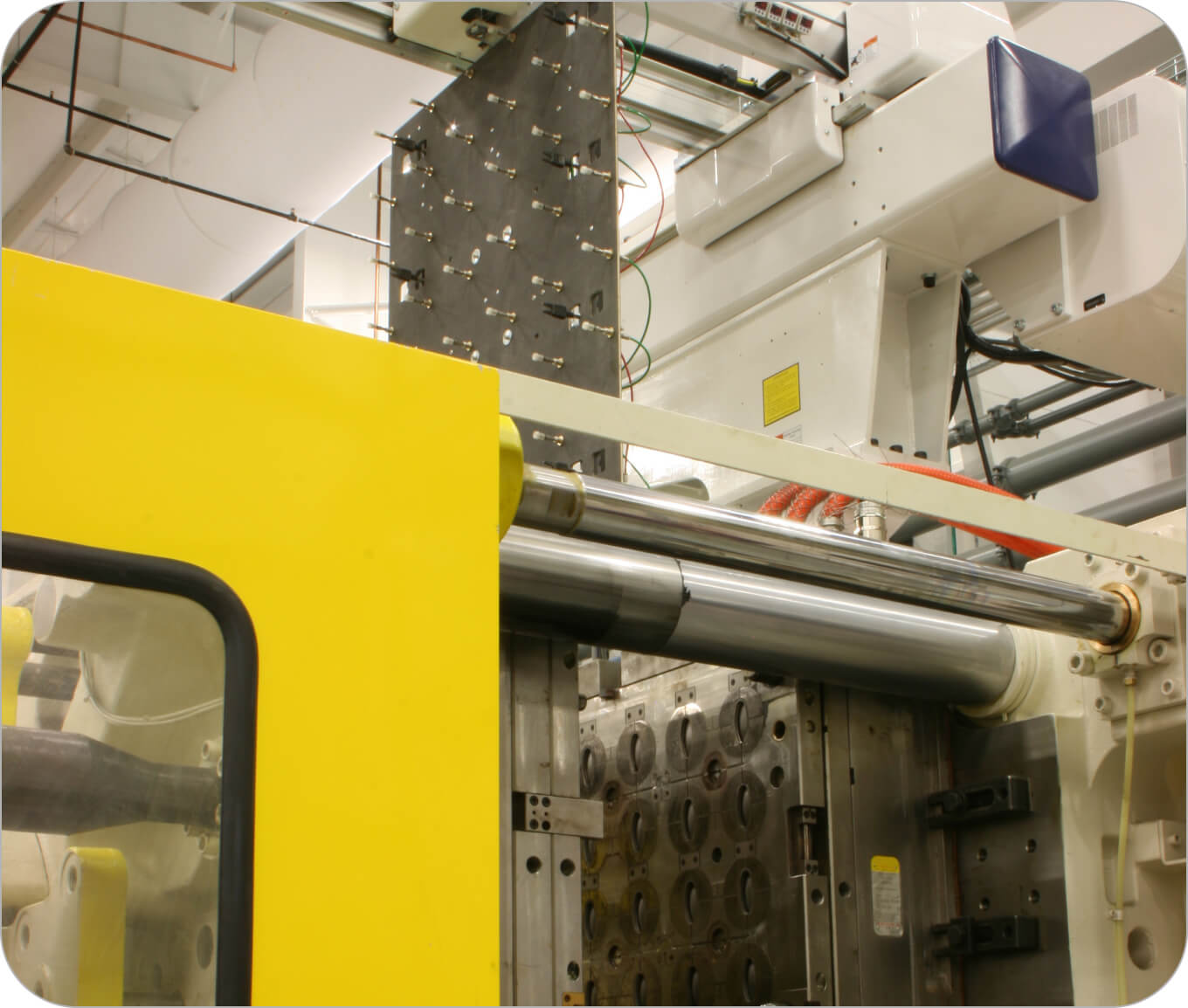
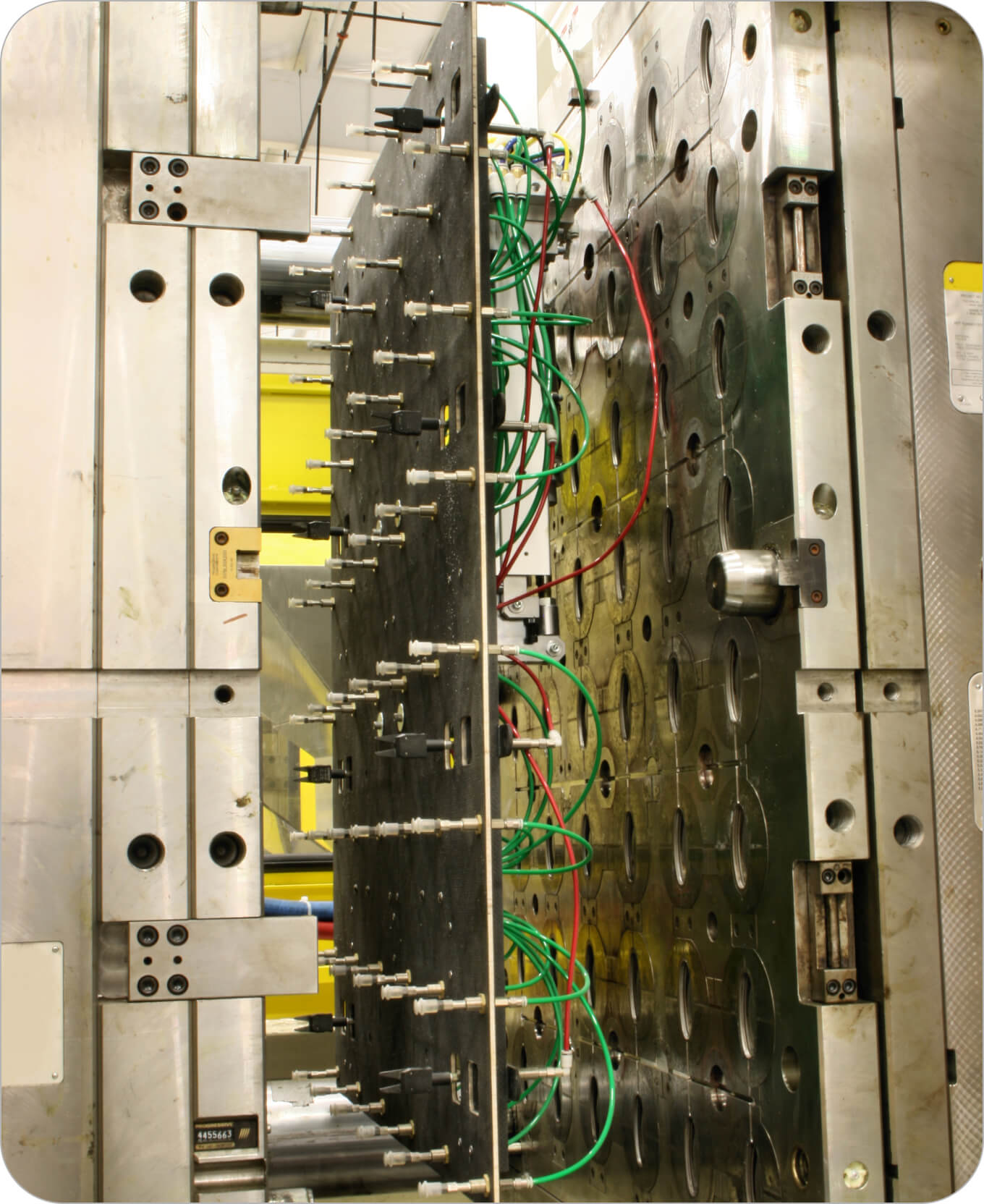
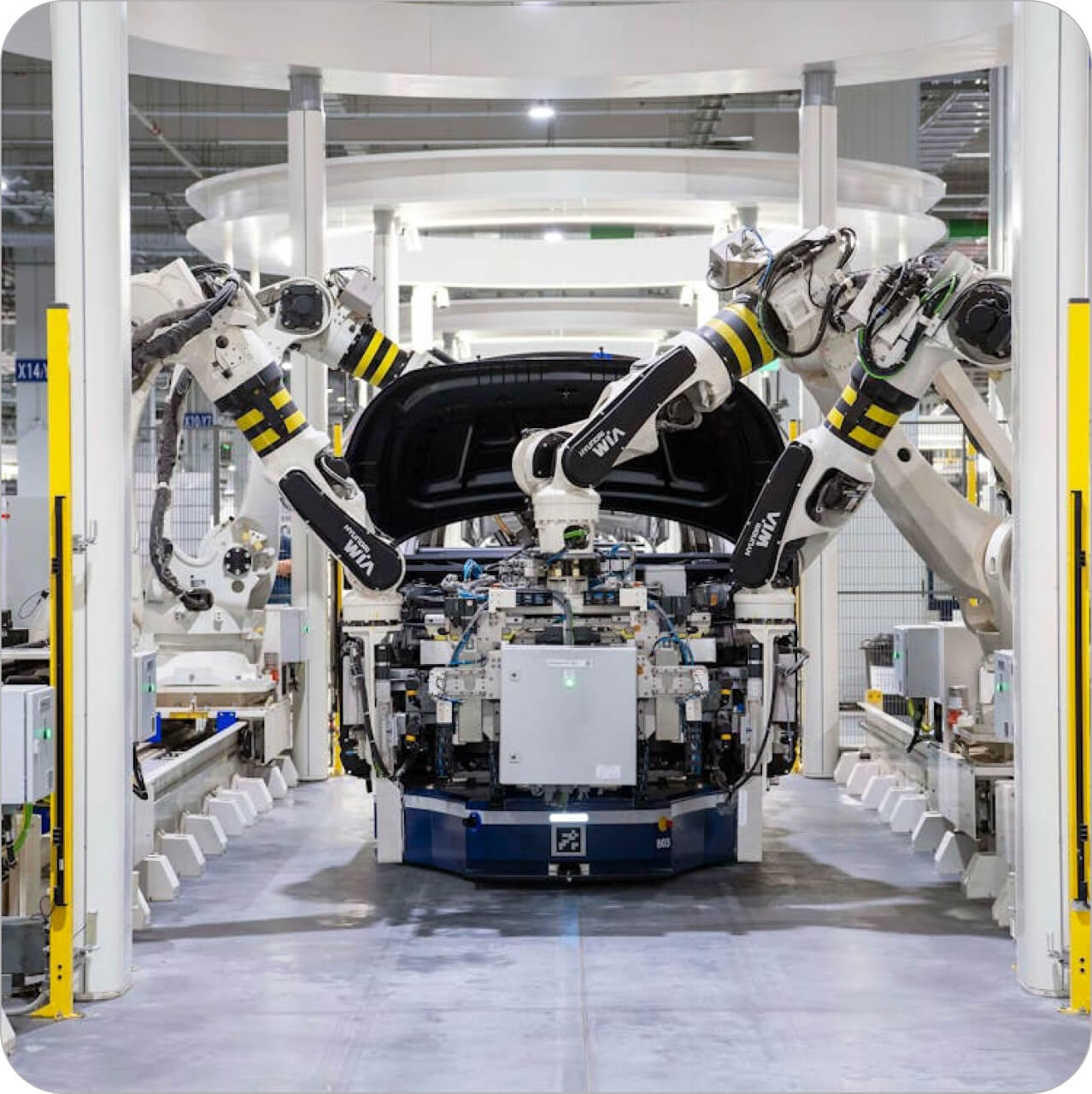
Factories incorporating industrial automation into their manufacturing processes continually strive to improve efficiency through increased speed and greater precision. Often, the most direct means to achieve these goals is reduced weight and increased stiffness of the robotic components, particularly the robotic end effectors.

Lightweight end effectors translate directly to increased speed and higher precision on the production line, reduced motor and actuator loads, and improved reliability.
What Is an End Effector?

The capability of industrial automation continues to grow, driven by a skilled labor shortage and the development of disruptive technologies such as AI, edge, and cloud computing. Now embedded into most industries, automation technology is already on a solid footing and is marching through the global industrial complex. 

The physical tip of the spear in industrial robots is the end effector, also known as “end of arm tooling” (EOAT). This automation component is the part of the robot that works on the part being fabricated or assembled. It can undertake many different functions as it interacts with the manufacturing process. For this reason, end effectors are often designed specifically for a particular operation and have far more diversity than the robot arms that deploy the end effectors.

The design of the end-of-arm tooling considers factors about the robot tool’s job but also about how the work done by the end effector will impact the robot arm. Increasingly, robots are working in collaboration with humans (these are called “cobots” or collaborative robots), so the end of arm tooling must also be made safe for that interaction.

What Are End Effectors Used For?

End effectors are incorporated into various tasks in the industrial environment. There are end effectors that perform process tasks, those designed to lift, manipulate, and place parts, and robot arm tooling that performs inspection or data collection tasks.
What Types of End Effectors Are Available?

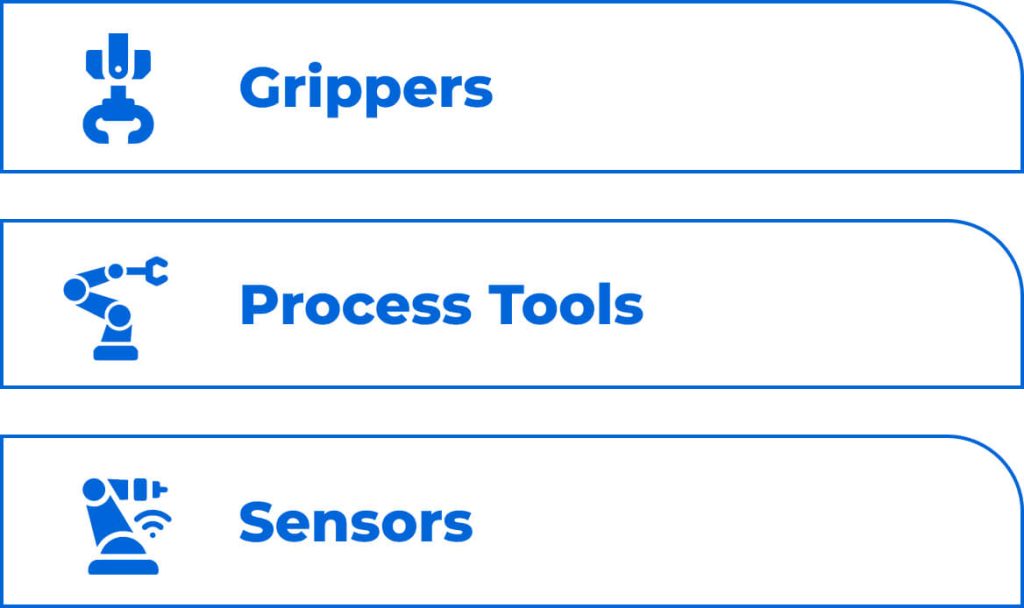
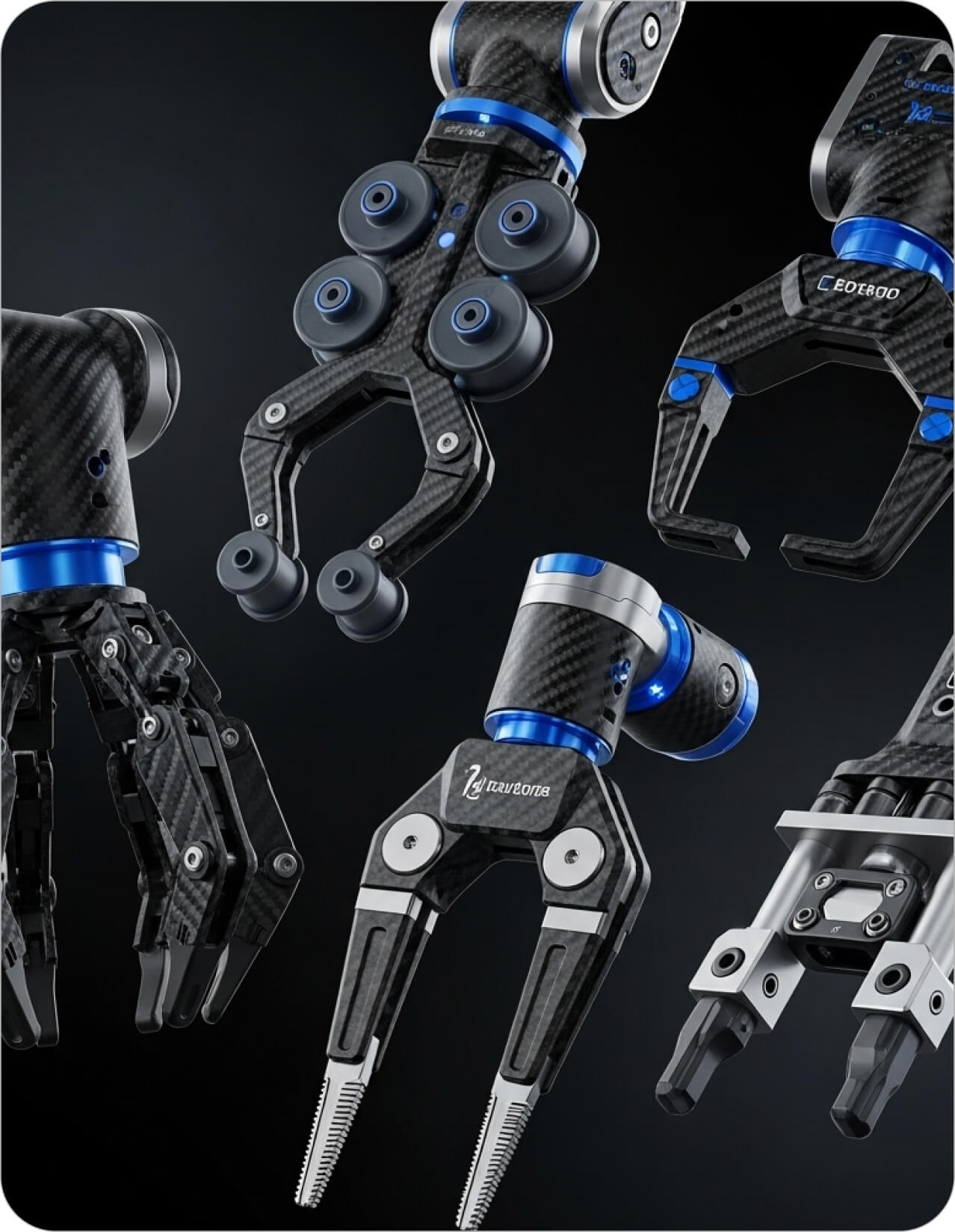
Three common categories of robotic end effectors are grippers, process tools, and sensors. Where grippers handle materials, process tools work on materials, and sensors measure the state of materials.

Grippers

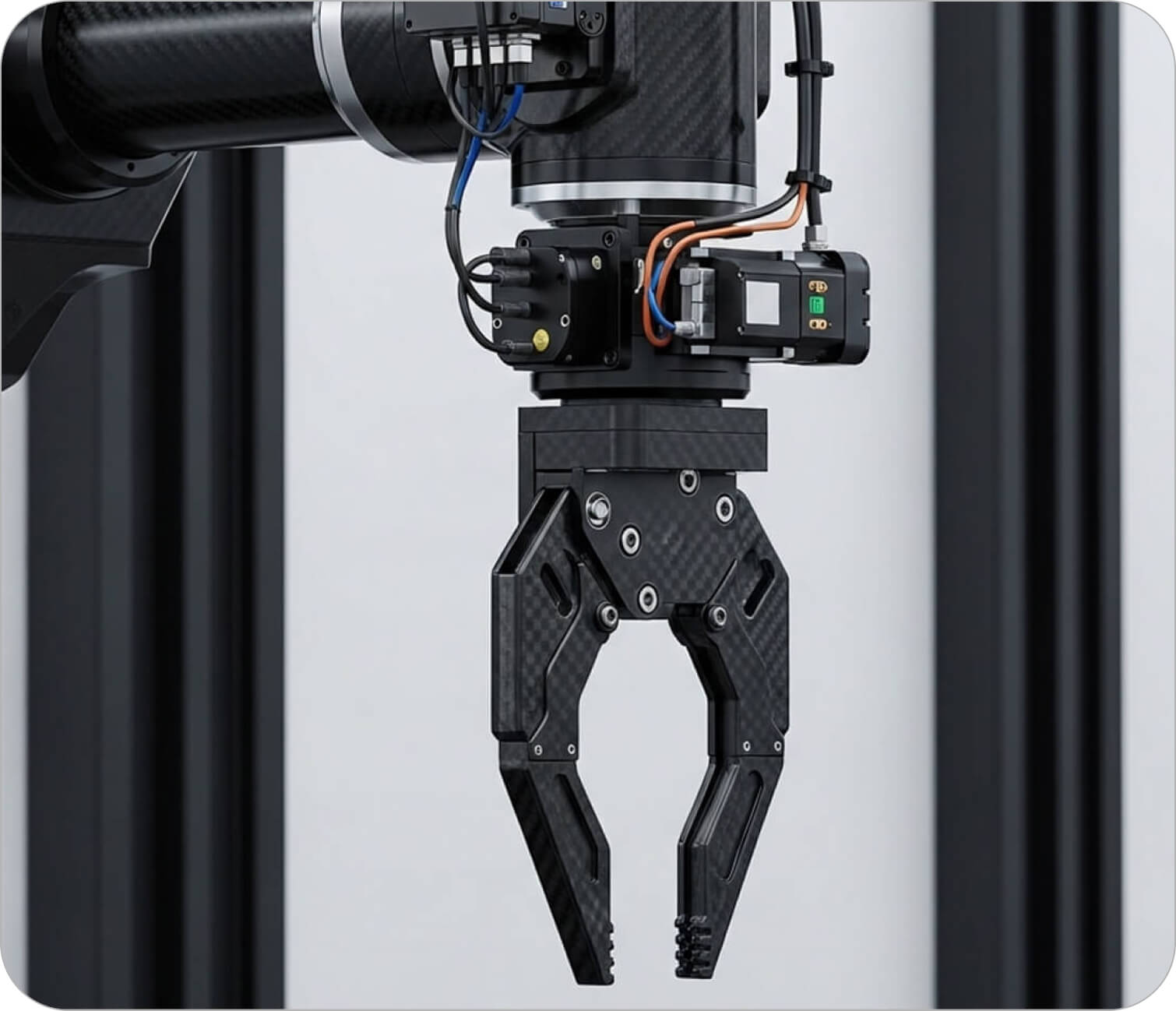
Gripper tools pick up and manipulate parts in sorting, packing, or assembly operations. Depending upon the nature of the part, the robotic gripper type will be tailored to manipulate it optimally without damaging it. Various gripper types can pick up items as delicate as an egg and manipulate complex objects weighing hundreds of pounds. Design factors involved in gripper design include:

Grip Force: Some applications require a light touch, while others can tolerate a wider force range.

Gripper Stroke: A large stroke would be necessary if the end effector has to pick up small and large objects.

Grasp Precision: A high-precision gripper will be required if the parts need to be picked up in a particular spatial orientation or if there are sensitive areas of the part that cannot tolerate interaction with the gripper.

Size & Weight: Since the maximum allowable lift capacity is usually set by the robotic arm, the weight of the gripper end-effector reduces the useful load capacity of the system. For this reason, lightweight grippers are often preferable. Likewise, grippers are often required to pick or place a part into a box corner or other tight spot. A smaller gripper is advantageous for these applications, especially if it can eliminate an extra degree of motion freedom.
There are several different types of grippers used in industrial automation that can be classified as follows:

Mechanical Grippers: These are claws actuated using belts or a hydraulic system. Depending on the job, they can have two opposing fingers or many fingers, which can be large claws or needle grippers, depending on the task.

Magnetic Grippers: A controllable electro-magnet on this end effector allows the machine to pick up and drop parts made of ferrous metals.

Vacuum Grippers: Often used to pick and place items with flat faces, such as cardboard boxes, this end effector uses a suction force to pick up and drop its target from a belt into a crate, for example. These are often deployed on cobots.

Electric Grippers:
These grippers use a servo motor or electromagnetic actuator on the end effector to provide the grip force. This type of gripper is often used in higher-precision applications.

Pneumatic Grippers: Using compressed air, the fingers of these grippers can be simple claws or be made of rubber-like material designed to be anisotropic that inflates to effect a gentle grip force on compliant parts such as baked goods.

Process Tools

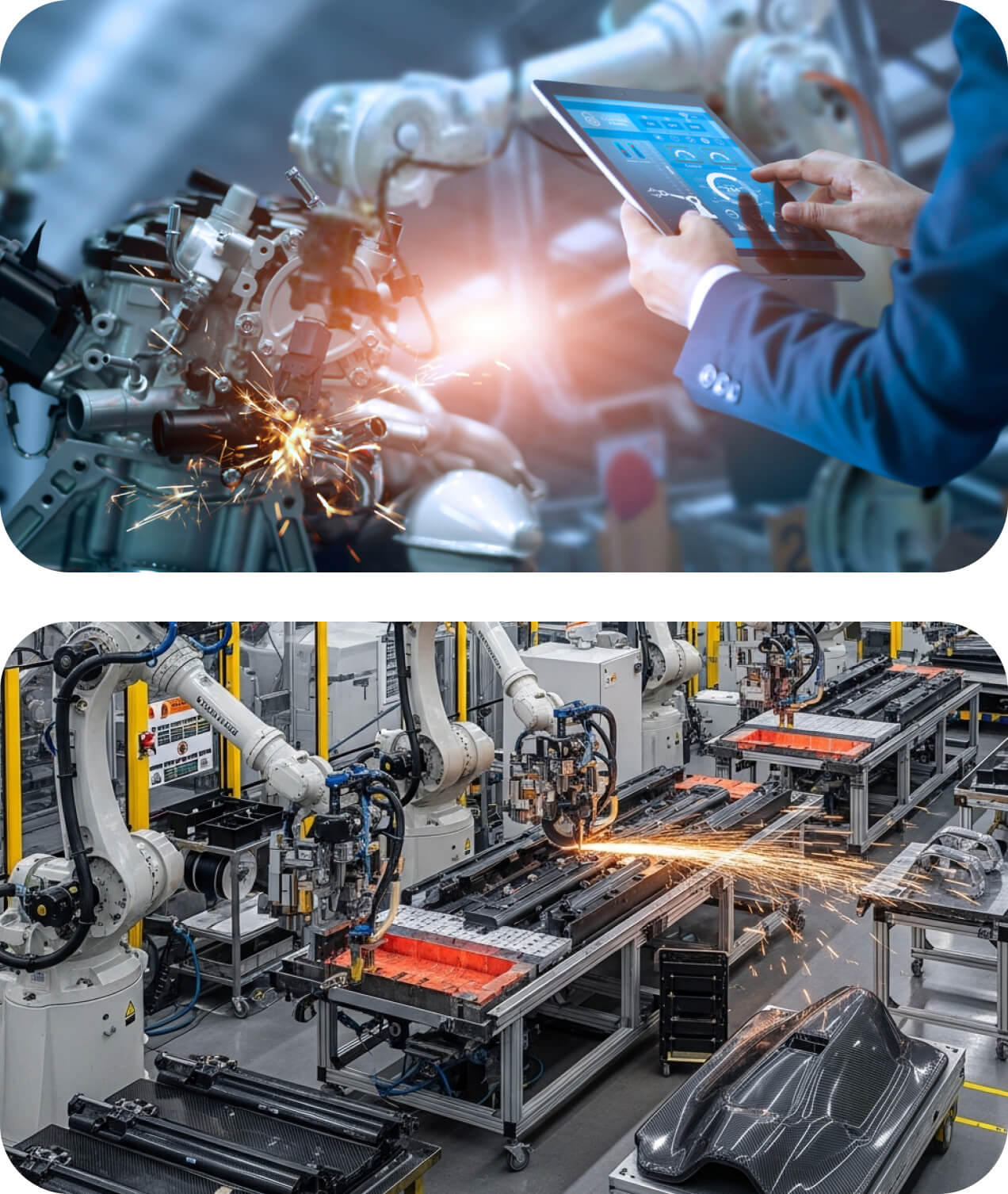
Another class of arm tooling is those that alter a part, like sanding, polishing, welding, cutting, applying glue, building melted plastic (3-D Printing), and more. Careful thought is given to the environment where these end effectors operate — including very high and very low temperatures, dirty, corrosive, and high levels of EMI — to design them appropriately. These are the types of hazardous environments where industrial robots have high value since they eliminate risks to employees. Many of the design challenges these robot tools present involve material compatibility, reliability, control and consistency of the applied force, and other factors that impact final part quality.
Sensors

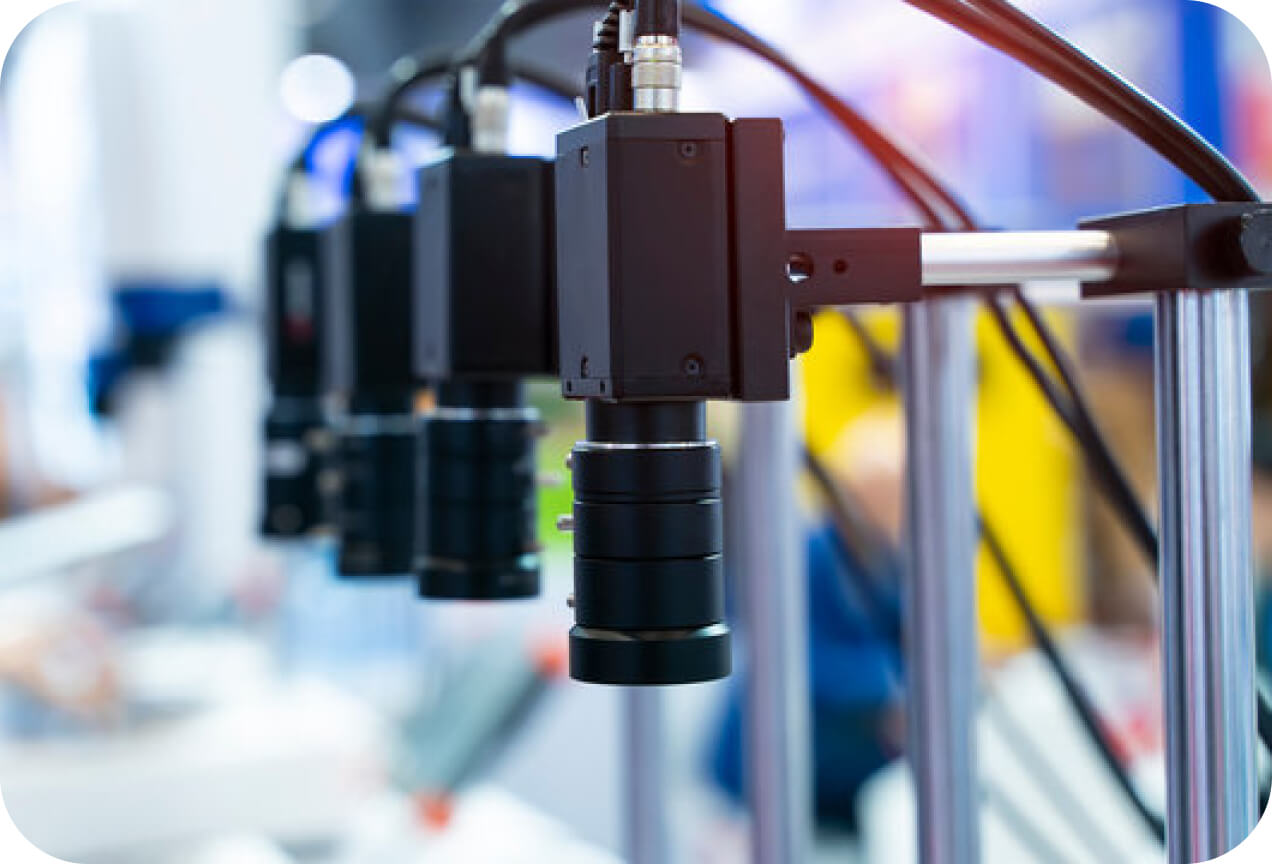
Finally, the third class of robot end-effector functions includes data collection using sensors. While this function is often embedded in the other two classes of end effectors —grippers and process tools — there are also many standalone end effectors dedicated to data collection, such as cameras. Other sensors employed on end effectors include force/torque, proximity, light, and magnetic field sensors [1]. One well-known sensor end effector mounted on the Mars Rover’s robotic arm contains a microscopic imager and two different kinds of spectrometers. The other end effector on the Rover is a Rock Abrasion Tool, which fits into the Process Tool category.

Advantages of Carbon Fiber in Robotic End Effectors

A universal principle to most engineering design is that — all other attributes being equal — a lighter part is preferable. Carbon fiber composites are attractive to the designer due to their high stiffness-to-weight ratio (specific modulus). When used to construct end effectors, the high specific modulus of carbon fiber composites impacts many aspects of the automation system.

Not only does a lighter end effector increase the maximum useful payload of a robotic system, but it also increases the maximum speed of the robot arm and, in turn, reduces the energy and time required to move the arm. These outcomes drive an increase in operational efficiency: one study attributed a 40% reduction in energy consumption of a simple pick-and-place operation to using a carbon fiber end effector. [2]

Carbon fiber composites, being effectively unreactive, also provide a path for designing end effectors deployed in corrosive environments. Since removing human exposure to hazardous environments is a principal justification for industrial automation, carbon fiber composites are an essential component in the end-of-robot arm tooling designs that are robust enough to withstand these challenging applications.
Design Considerations for Carbon Fiber in Robotic End Effectors

The wide range of process and inspection operations that can be accomplished using industrial automation leads to various design considerations. The following are some ways that the material properties of carbon fiber composites can solve multiple design challenges.

Temperature

Carbon fibers can withstand very high temperatures, but the performance of commonly available carbon fiber composites is limited by the low Glass Transition temperature of the epoxies in their matrix. There are, however, carbon fiber composites that maintain most of their stiffness at temperatures as high as 500 F through the use of special high GTE resins such as phenolic.

Carbon fiber composites can have a range of low thermal expansion coefficients, depending upon the fiber and resin used. Still, they can generally be significantly more dimensionally stable than metals. Some carbon fibers can have a negative coefficient of thermal expansion, and a composite that has a near-zero thermal expansion coefficient can be created by mixing fibers in a laminate.

In any case, the thermal stability of carbon fiber composites is generally considered desirable in the design of robot end effectors, especially those that operate in a dynamic thermal environment. In such an environment, an end effector of carbon fiber composite will experience smaller thermal deflections, resulting in stresses and bolted connections requiring less maintenance.
Conductivity

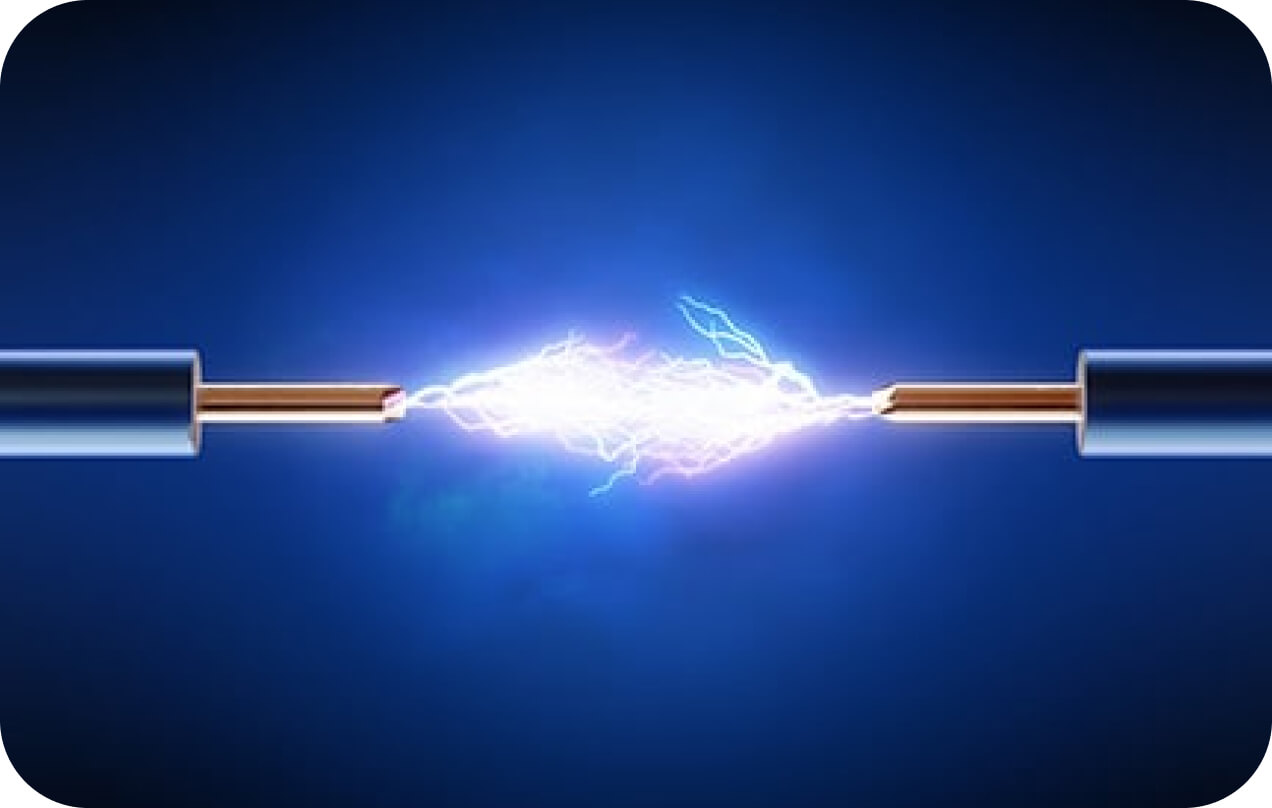
The thermal conductivity of carbon fiber composites varies depending upon the formulation. Still, they are generally less conductive thermally and electrically than metallic materials and are also non-magnetic. This is desirable for end effectors deployed in an electrically unshielded environment or with high magnetic fields.

Anisotropy & Yield Strength

Compared to isotropic metals, the anisotropic nature of carbon fiber gives the designer another knob to turn to minimize deflection. Additionally, the viscoelastic nature of some epoxy resins can give carbon fiber composites damping properties that can be advantageous in many precision end effector applications. Further, unlike metals such as steel and aluminum, carbon fiber does not noticeably yield before it breaks. This property allows the designer to access higher forces using carbon fiber composite gripper components, for example, and it also provides for reduced damage in unintended robot end effector collisions.
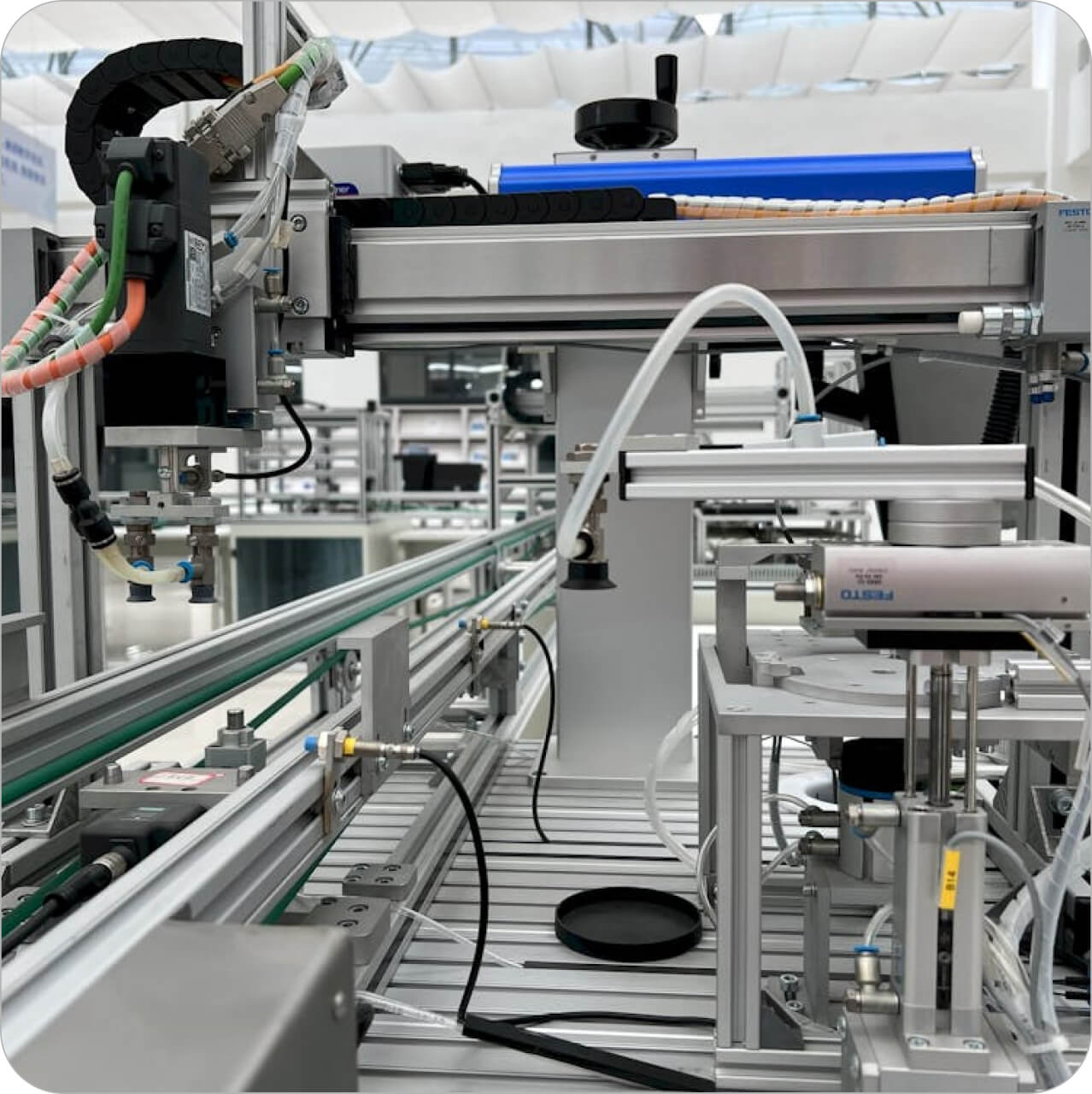
Robotic End Effector Design & Manufacturing

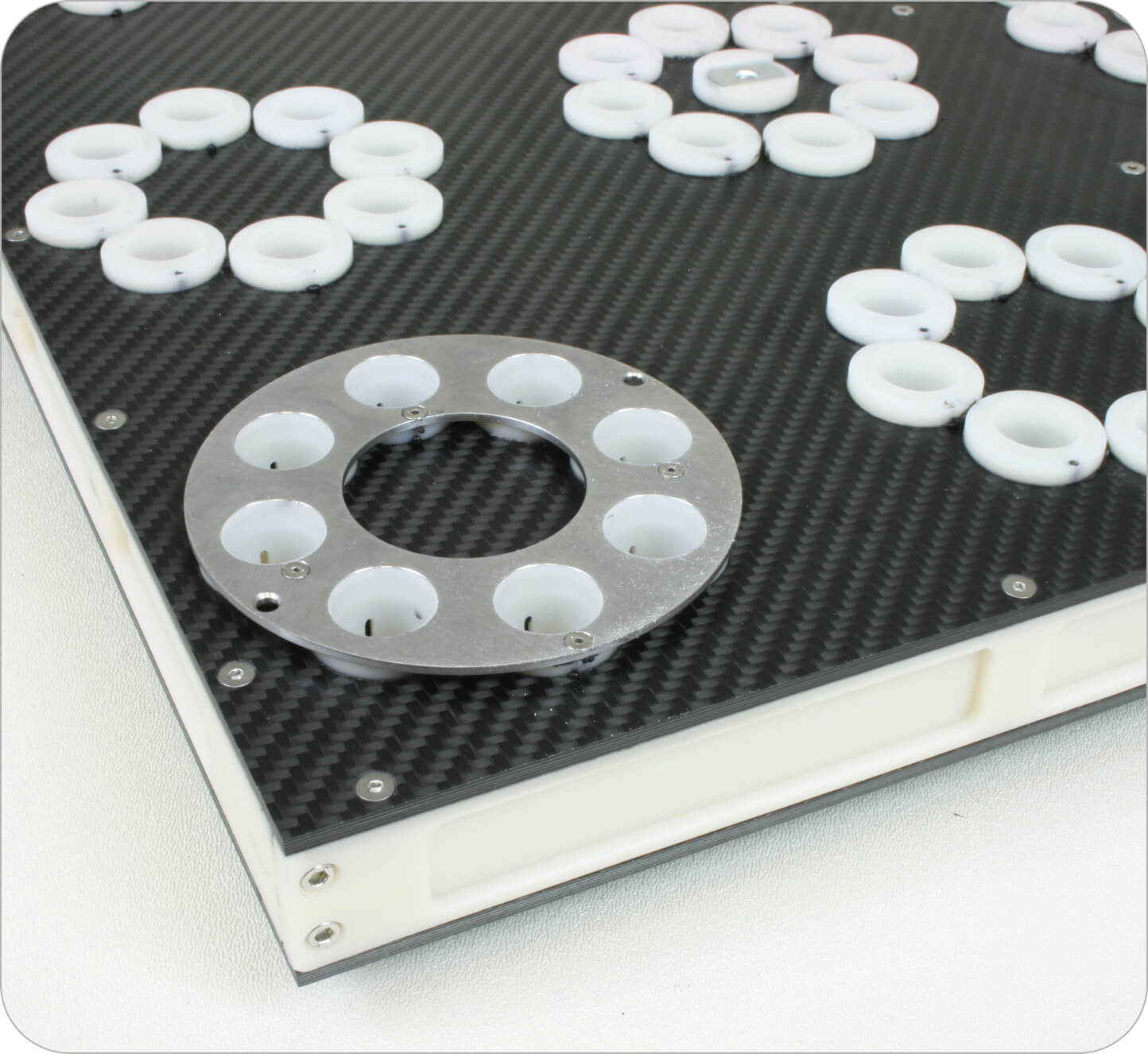
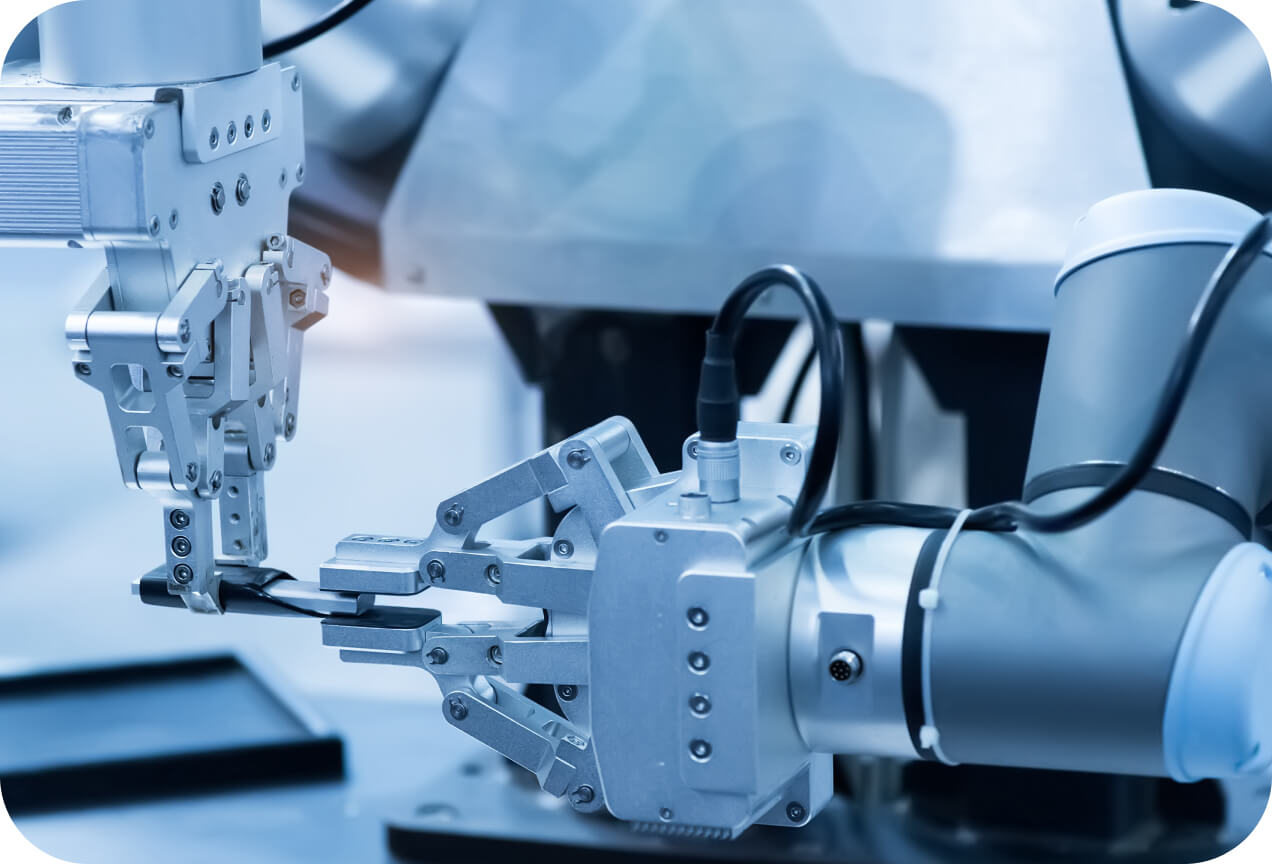
Element 6 Composites works with companies in the injection molding, beverage, and consumer products industries, as well as companies specializing in the design and fabrication of automated systems, to replace metal end effectors using carbon fiber composite manufacturing. Substantial decreases in weight are possible with optimized composite systems, with weight reductions of 50% or more common.

Leveraging in-house finite element analysis, CAD design, and tool making, Element 6 Composites regularly works with customers to produce highly specialized lightweight end effectors. If your company wants to learn more about using custom carbon fiber composite manufacturing in robotic end effectors and automation, please contact us to discuss your specific application.

References

[1] “What are End Effectors in Robotics? Types of End Effectors, Applications, Future,” 2023, accessed 12 December, 2023 Click here to view reference

[2] Carrington Chun et al., “High Efficiency Manufacturing With a Smart Carbon Fiber End Effector” (paper presented at the ASME 2022 International Mechanical Engineering Congress and Exposition, 2022)

View All Applications

© 2025 Element 6 Composites. All Rights Reserved