Frequently Asked Questions
Product Information & Capabilities
What are carbon fiber unmanned systems from Element 6 Composites?
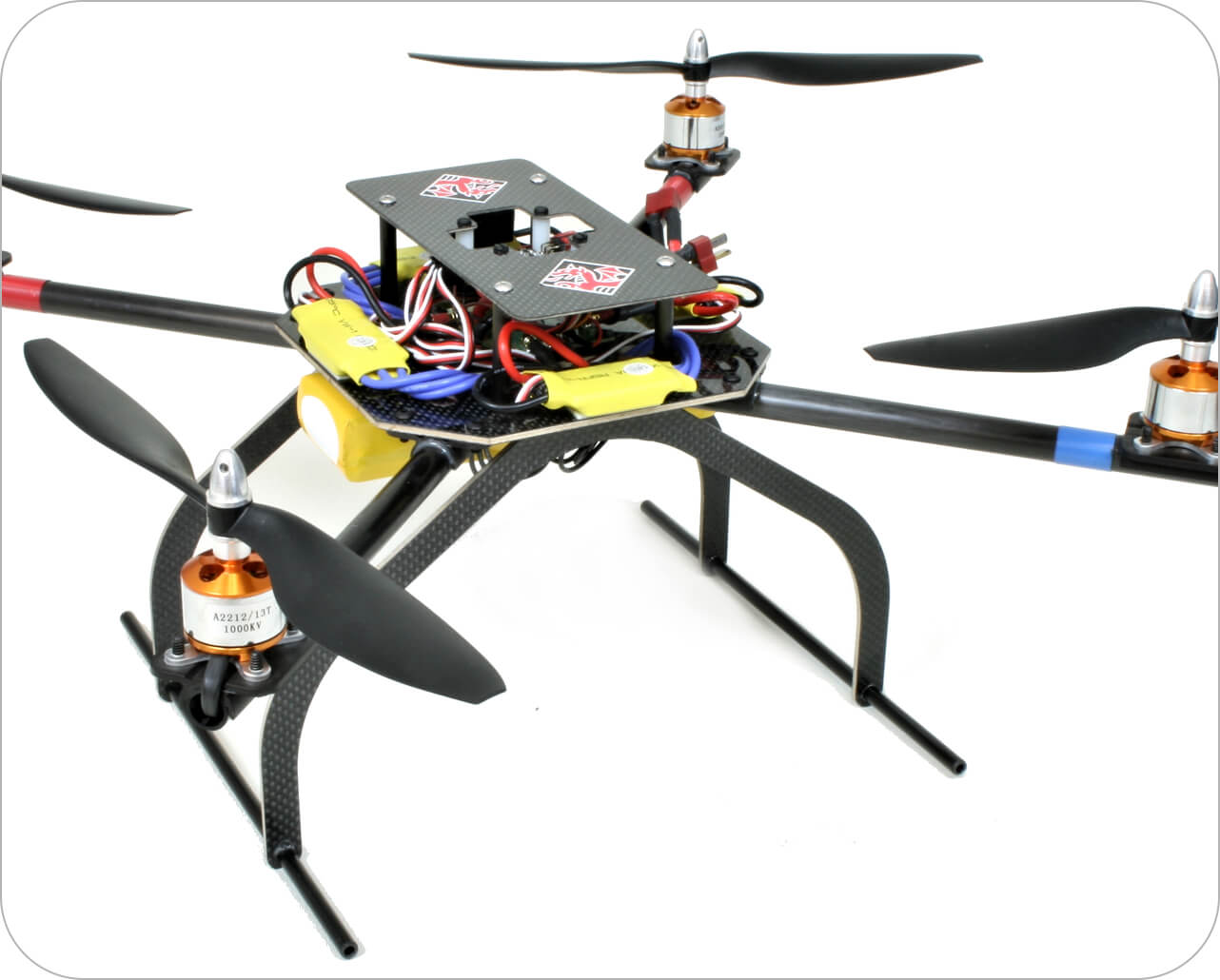
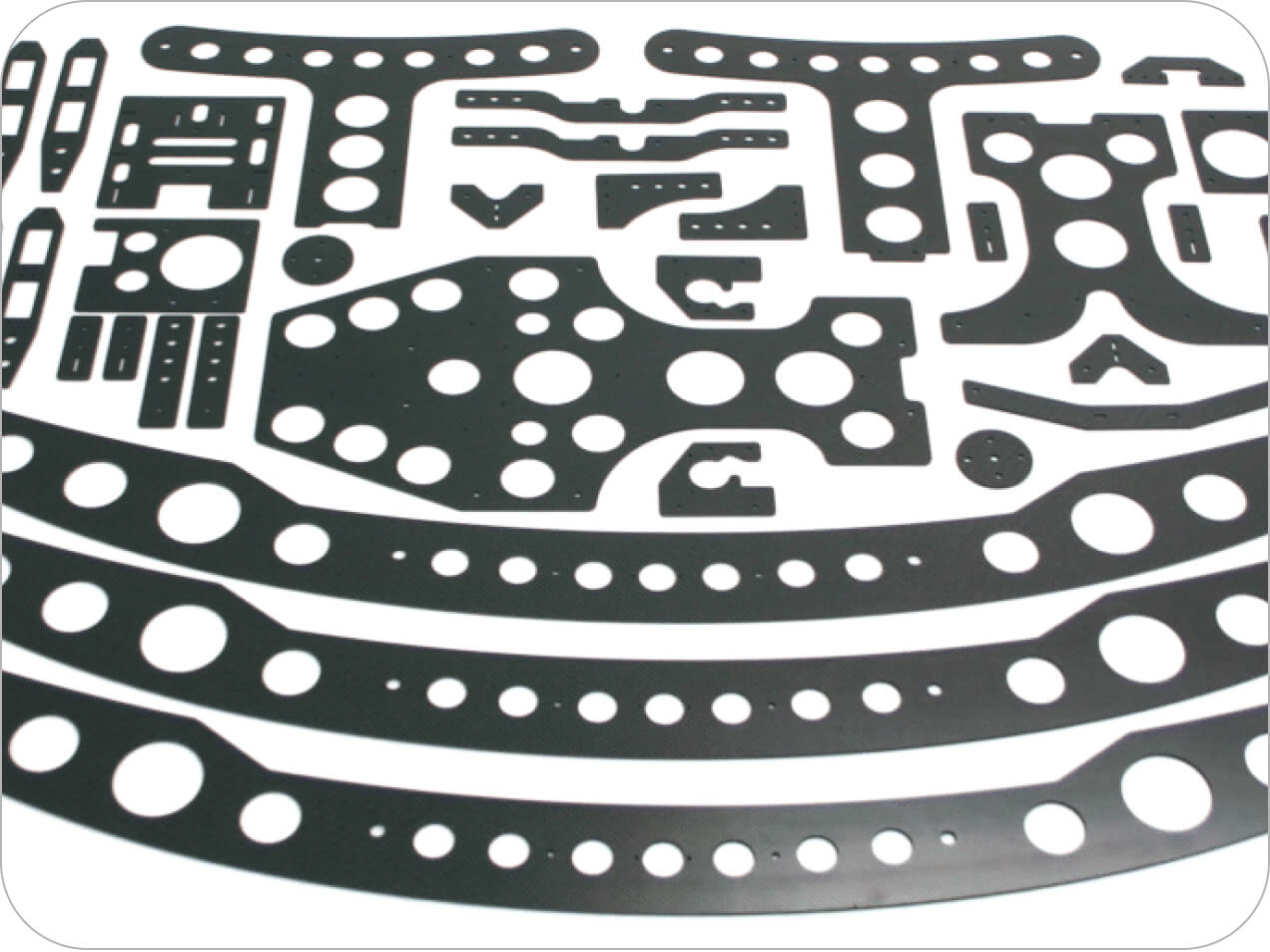
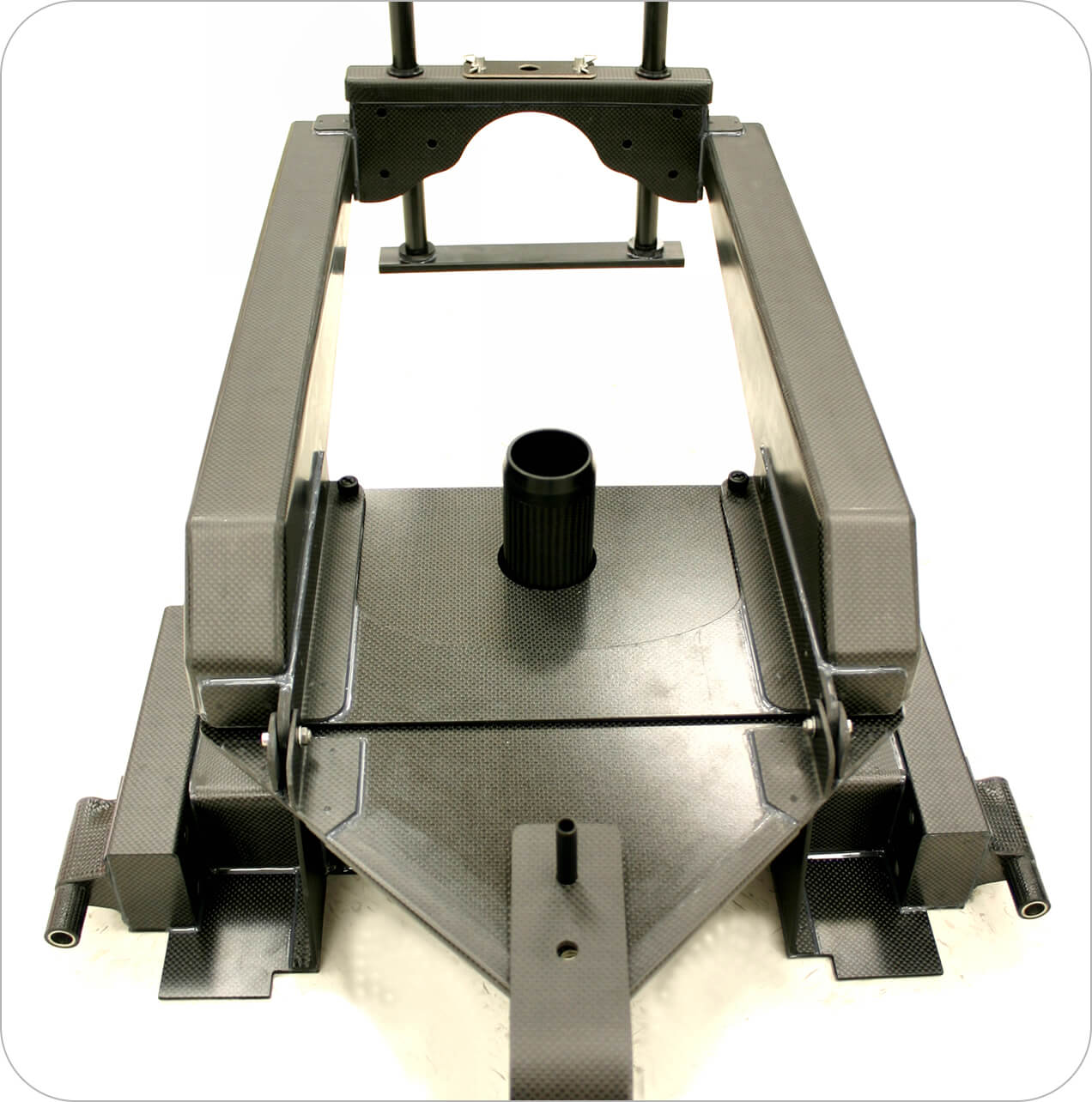
Carbon fiber unmanned systems from Element 6 Composites are custom-designed UAV arms, chassis, and landing gear systems built using advanced carbon fiber composite technology. These components are engineered to be lighter, stiffer, and more rugged than traditional materials, supporting a wide range of unmanned vehicle applications across land, sea, and air.
What types of unmanned vehicle structures does Element 6 Composites design and manufacture?
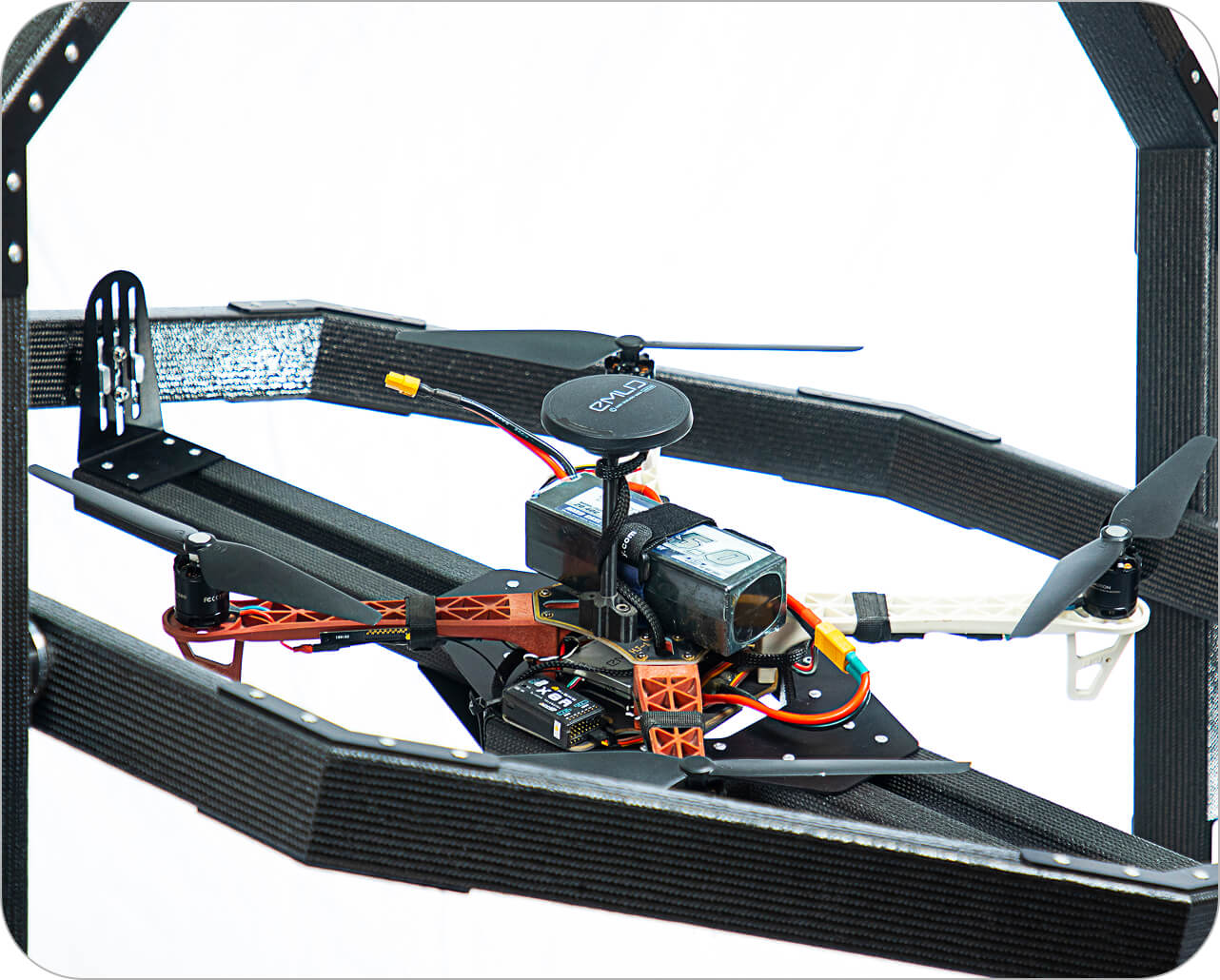
Element 6 Composites designs and manufactures a variety of unmanned vehicle structures, including multi-rotor hexagonal arm assemblies, fixed-wing fuselage structures, central chassis assemblies, landing gear components, wing structures, and control surfaces. Their expertise covers both ground and aerial unmanned vehicles.
How does carbon fiber benefit unmanned systems compared to traditional materials?
Carbon fiber enables the creation of optimized shell structures with fibers oriented precisely where strength is needed. This anisotropic design approach results in monocoque structures that maximize strength-to-weight ratios and allow for complex geometries that are difficult or impossible with metals or plastics. The result is lighter, stiffer, and more durable components for unmanned systems.
What engineering services does Element 6 Composites provide for unmanned systems?
Element 6 Composites offers end-to-end composite engineering services, including concept development, structural analysis, design optimization, advanced manufacturing, prototyping, testing, and consulting. These services ensure that every unmanned system solution is engineered for strength, efficiency, and long-term durability.
Can Element 6 Composites handle custom projects for unmanned systems?
Yes, developing custom carbon fiber parts and unique composite solutions is central to Element 6 Composites' approach. The team collaborates closely with clients to design, prototype, and manufacture one-of-a-kind products that meet precise technical and performance requirements for unmanned systems.
What are the key material properties of carbon fiber composites used in unmanned systems?
Carbon fiber composites offer a high strength-to-weight ratio, high stiffness, low thermal expansion, high chemical resistance, durability, and thermal stability. These properties make them ideal for demanding unmanned system applications where performance and reliability are critical.
How does Element 6 Composites ensure manufacturing precision for unmanned systems?
Element 6 Composites uses advanced simulation tools such as Finite Element Analysis (FEA), Solidworks CAD design, and Mastercam CNC tool path design to optimize and validate designs before production. This ensures high tolerances, manufacturing consistency, and optimal performance for unmanned system components.
What is the process for starting a project with Element 6 Composites for unmanned systems?
Customers can begin by requesting a free design review, uploading their drawings or requirements for evaluation. The company offers prototyping services to validate designs and provides direct communication with their engineering team to ensure a smooth and efficient onboarding process.
What certifications does Element 6 Composites hold for manufacturing unmanned system components?
Element 6 Composites operates an ISO 9001:2015-certified facility, ensuring high standards in manufacturing and customer satisfaction for unmanned system components and assemblies.
What technical documentation is available for unmanned systems customers?
Element 6 Composites provides technical resources such as 'The Ultimate Guide to Carbon Fiber Design and Application,' detailed information on composite materials, computational analysis guides, and downloadable CAD models to support unmanned systems projects. These resources are available on their website.
Use Cases & Industry Applications
Which industries benefit from carbon fiber unmanned systems by Element 6 Composites?
Industries that benefit include aerospace, defense, robotics, nuclear and industrial inspection, marine, and energy. The company has supported projects ranging from military ground robotics to lighter-than-air vehicles and vertical takeoff and landing UAVs.
Can you provide examples of unmanned system projects completed by Element 6 Composites?
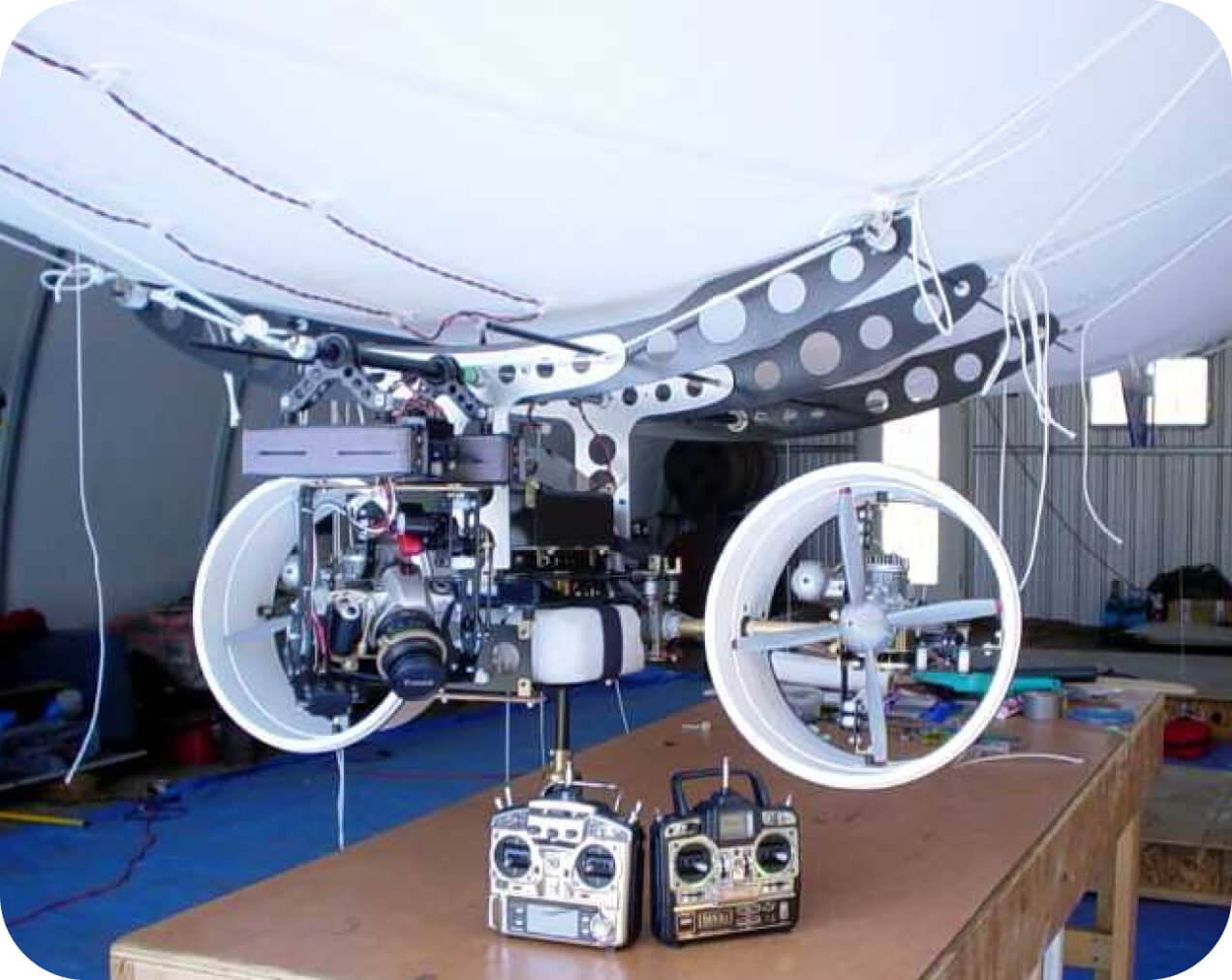
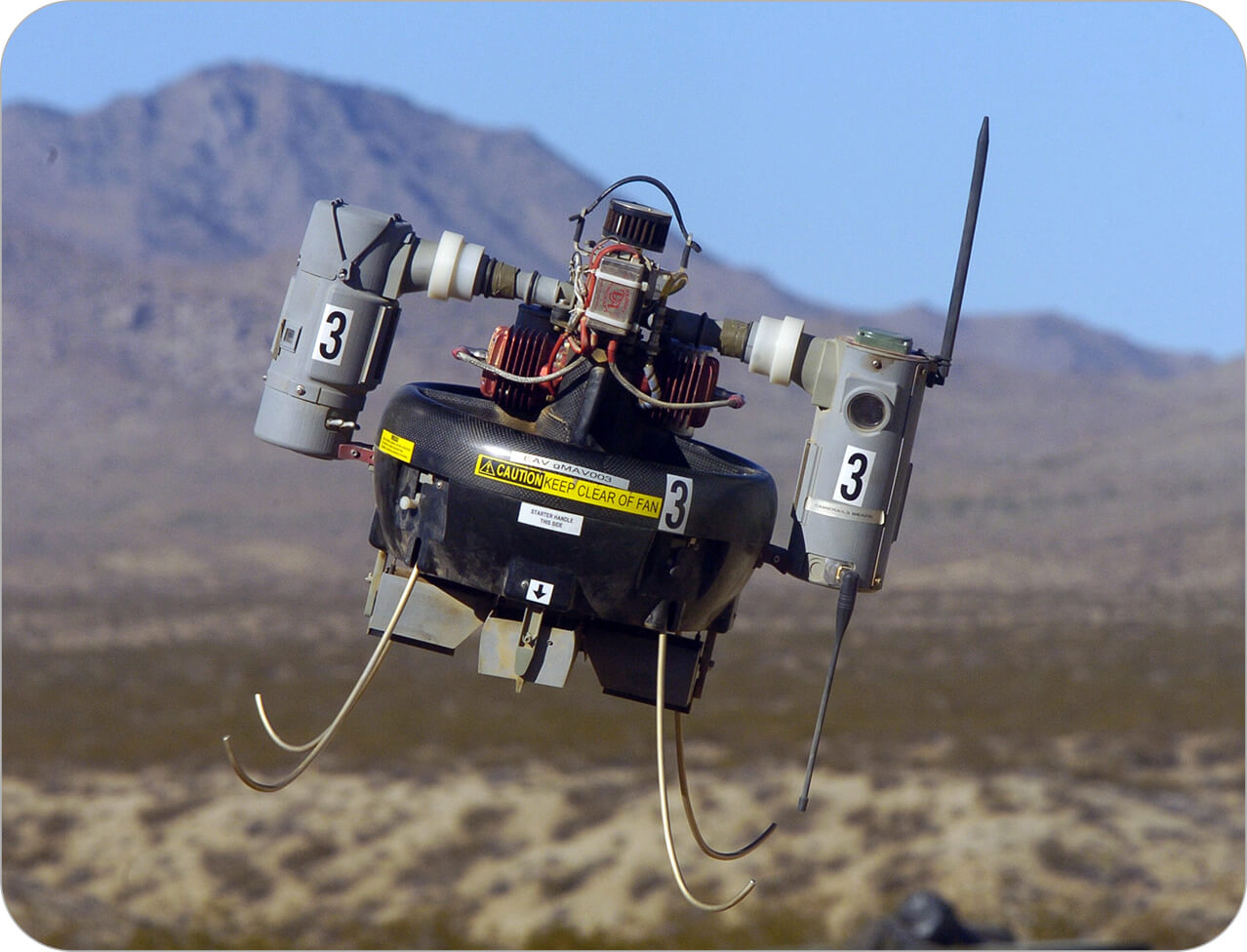
Examples include developing carbon fiber gondolas and tail fins for unmanned airships with Remote Aerial Tripod Specialists Inc., carbon fiber control vanes for a vertical takeoff and landing UAV with AAI Corporation, and a composite chassis for a wall-climbing robot with International Climbing Machines used in nuclear and industrial environments.
How do carbon fiber unmanned systems improve performance in robotics and inspection?
By replacing metal structures with carbon fiber, unmanned systems such as wall-climbing robots achieve significant weight reduction, increased payload capacity, and improved maneuverability. This is especially valuable in environments that are hazardous to humans, such as nuclear facilities or aircraft inspection tasks.
What are some notable customer collaborations for unmanned systems?
Notable collaborations include work with Remote Aerial Tripod Specialists Inc. for airship gondolas, AAI Corporation for UAV control vanes, and International Climbing Machines for wall-climbing robots. These projects demonstrate the company's ability to deliver tailored solutions for diverse unmanned system applications.
How do unmanned systems from Element 6 Composites address regulatory and safety requirements?
Element 6 Composites provides biocompatible and radiolucent materials for applications requiring regulatory compliance, such as medical and defense unmanned systems. Their ISO 9001:2015 certification further ensures adherence to industry standards and safety protocols.
What business impact can customers expect from using carbon fiber unmanned systems?
Customers can expect cost savings through optimized designs and reduced material waste, improved product performance due to enhanced strength and weight reduction, accelerated time-to-market with rapid prototyping, and operational efficiency from end-to-end services. These benefits drive overall business success in competitive industries.
Are there case studies demonstrating the effectiveness of carbon fiber unmanned systems?
Yes, case studies include the development of wall-climbing robots for nuclear inspection, UAV control vanes for AAI Corporation, and airship gondolas for Remote Aerial Tripod Specialists Inc. These projects highlight significant weight savings, improved payload capacity, and successful deployment in challenging environments.
How do unmanned systems from Element 6 Composites support innovation in aerospace and defense?
By providing engineered composite solutions that meet stringent performance and regulatory requirements, Element 6 Composites enables aerospace and defense organizations to achieve weight reduction, durability, and mission-critical reliability in their unmanned systems.
What is the primary purpose of carbon fiber unmanned systems?
The primary purpose is to deliver high-performance composite solutions that solve complex technical challenges, optimize weight and strength, and meet demanding regulatory and operational requirements for unmanned vehicles across various industries.
Features & Competitive Advantages
What features set Element 6 Composites' unmanned systems apart from competitors?
Key features include advanced Finite Element Analysis (FEA) for design optimization, end-to-end services from design to manufacturing, tailored solutions for weight and performance optimization, regulatory compliance, high-quality prototyping, and ISO 9001:2015-certified manufacturing. These capabilities ensure precision, reliability, and cost efficiency.
How does Element 6 Composites address high manufacturing costs for unmanned systems?
By leveraging Finite Element Analysis (FEA) and advanced simulation tools, Element 6 Composites optimizes designs to reduce material waste and improve manufacturing efficiency, resulting in cost-effective production for unmanned systems.
What makes Element 6 Composites' approach to complex geometries unique?
The company specializes in anisotropic design, orienting carbon fibers precisely where strength is needed. This enables the creation of monocoque structures with complex geometries that maximize strength-to-weight ratios, surpassing the capabilities of traditional materials.
How does Element 6 Composites manage localized stress concentrations in unmanned systems?
Advanced simulation tools are used to refine designs and eliminate weak points caused by geometry changes and load transfer points. This ensures reliability and durability in high-stress applications such as aerospace and defense unmanned systems.
What is the advantage of end-to-end services for unmanned systems customers?
End-to-end services eliminate the need for multiple vendors, ensuring precision and quality at every stage from design to manufacturing. This approach simplifies production, reduces risks, and accelerates time-to-market for unmanned system projects.
How does Element 6 Composites ensure regulatory compliance for unmanned systems?
The company provides biocompatible and radiolucent materials for applications requiring regulatory approval, and its ISO 9001:2015 certification ensures adherence to industry standards for quality and safety in unmanned systems manufacturing.
How does Element 6 Composites' prototyping service benefit unmanned systems development?
High-quality prototyping services allow customers to test and validate designs before full-scale production, reducing risks, ensuring optimal performance, and accelerating the development cycle for unmanned systems.
What pain points do carbon fiber unmanned systems solve for customers?
They address high manufacturing costs, complex production processes, localized stress concentrations, regulatory challenges, weight and performance optimization, and the need for rapid prototyping and design validation. These solutions are tailored to demanding unmanned system applications.
How does Element 6 Composites compare to other providers of unmanned system components?
Element 6 Composites differentiates itself through advanced simulation tools, end-to-end services, tailored solutions for weight and performance, regulatory compliance, high-quality prototyping, and ISO 9001:2015 certification. This holistic approach ensures high-performance, reliable, and cost-effective solutions for unmanned systems.
Implementation, Support & Pricing
How long does it take to implement a carbon fiber unmanned system project?
The implementation timeline depends on project complexity, but Element 6 Composites streamlines the process with free design reviews, prototyping services, and direct communication. These resources help reduce delays and ensure a smooth, efficient start for unmanned system projects.
What support is available during the unmanned system project lifecycle?
Element 6 Composites provides personalized support throughout the project, including direct access to engineering experts, design reviews, prototyping, and ongoing consultation to address technical challenges and ensure project success.
What is the pricing model for carbon fiber unmanned systems?
Element 6 Composites offers custom pricing for unmanned system projects based on specific requirements such as material preferences, dimensions, tolerances, and performance criteria. This ensures customers pay only for what they need, reflecting the tailored nature of each solution.
How can I request a quote or consultation for an unmanned system project?
You can request a quote or consultation by contacting Element 6 Composites through their website's contact page or by calling their team directly. They offer a free design review to help evaluate your project requirements and provide expert recommendations.
What information should I provide when requesting a custom unmanned system solution?
When requesting a custom solution, provide details such as your project's application, required dimensions, performance criteria, material preferences, and any specific regulatory or operational requirements. This helps the engineering team tailor a solution to your exact needs.
How does Element 6 Composites ensure customer satisfaction for unmanned system projects?
The company emphasizes a customer-focused approach, offering direct communication, design validation, prototyping, and ISO 9001:2015-certified manufacturing to ensure high-quality, reliable solutions that meet or exceed customer expectations.
What is the typical timeline for prototyping and production of unmanned system components?
The timeline varies based on project complexity, but Element 6 Composites accelerates development with rapid prototyping services and efficient production processes, helping customers move from concept to deployment as quickly as possible.
What safety measures are recommended when handling carbon fiber unmanned system components?
Element 6 Composites emphasizes proper safety measures and the use of personal protective equipment during fabrication processes such as cutting and sanding to ensure customer safety and minimize risks such as contamination or material damage.
How does Element 6 Composites support customers after delivery of unmanned system components?
The company provides ongoing support, including technical consultation, troubleshooting, and guidance on installation or integration of unmanned system components to ensure long-term performance and customer satisfaction.