Frequently Asked Questions

Product Information

What does Element 6 Composites do?

Element 6 Composites is a custom carbon fiber engineering and manufacturing company based in Elbridge, New York. The company specializes in the design, analysis, prototyping, and production of custom carbon fiber composite parts and assemblies, serving industries such as aerospace, defense, medical, robotics, and more. All work is performed in the USA under ISO 9001:2015 quality management standards. Learn more.

What products and services does Element 6 Composites offer?

Element 6 Composites offers a full suite of carbon fiber engineering services, including design, analysis (such as finite element analysis), rapid prototyping, and full-scale manufacturing. The company also provides custom solutions for industries like unmanned systems, robotics, medical devices, and defense. See all services.

Where is Element 6 Composites located?

Element 6 Composites operates out of Elbridge, New York, USA. All engineering, prototyping, and manufacturing work is performed at this facility.

How long has Element 6 Composites been in business?

Element 6 Composites has over 35 years of experience in carbon fiber engineering and manufacturing, providing innovative solutions to a wide range of industries.

Is Element 6 Composites part of a larger organization?

Yes, Element 6 Composites is a subsidiary of Allred & Associates, Inc., which also produces carbon fiber components under the DragonPlate brand.

What is the primary purpose of Element 6 Composites' products?

The primary purpose is to optimize performance, reduce development costs, provide lightweight and durable materials, deliver custom solutions, and ensure quality assurance for industries requiring advanced carbon fiber components. Learn more.

What industries does Element 6 Composites serve?

Element 6 Composites serves aerospace, defense, medical devices, robotics and automation, industrial and commercial equipment, UAV and unmanned systems, prototype and development programs, and musical instruments. See industries.

What is the process for starting a project with Element 6 Composites?

Customers can start by contacting Element 6 Composites via phone or the contact page. The company offers a free design review—customers can upload drawings or requirements for a no-obligation review. Consultations are available to discuss design, prototyping, or manufacturing needs. Contact Element 6.

What technical documentation does Element 6 Composites provide?

Element 6 Composites offers material certifications, traceability records, and process documentation to support regulated applications and ensure compliance with industry standards. Customers should discuss documentation needs early in the project. For more information, call 315-252-2559.

What certifications does Element 6 Composites hold?

Element 6 Composites is ISO 9001:2015 certified, ensuring consistent, high-quality products and rigorous adherence to compliance protocols. View certification.

Features & Capabilities

What are the key features of Element 6 Composites' products?

Key features include advanced engineering tools (finite element analysis with NEiNastran), rapid prototyping, custom solutions for specialized applications, high-performance carbon fiber materials, and ISO 9001:2015 certified quality. Learn more.

How does Element 6 Composites ensure product performance?

Element 6 Composites uses advanced tools like finite element analysis (FEA) to optimize material placement, reduce weight, and ensure components meet or exceed performance requirements. The company also engineers materials for strength, durability, and impact resistance, and is ISO 9001:2015 certified. See performance highlights.

Does Element 6 Composites offer custom solutions?

Yes, Element 6 Composites specializes in custom carbon fiber solutions tailored to the unique requirements of industries such as aerospace, robotics, medical devices, and unmanned systems. Explore custom solutions.

What engineering tools does Element 6 Composites use?

Element 6 Composites utilizes advanced engineering tools, including finite element analysis (FEA) with NEiNastran, to optimize performance and reliability for demanding applications. Learn more about analysis services.

What makes Element 6 Composites' materials unique?

The carbon fiber composites used by Element 6 Composites offer unmatched strength-to-weight ratios, high stiffness, impact resistance, and durability, making them ideal for demanding and regulated industries. Learn about materials.

Does Element 6 Composites provide rapid prototyping?

Yes, rapid prototyping services are available to help customers test and refine designs quickly, reducing development time and costs while ensuring production-level quality. Discover prototyping services.

What quality assurance processes are in place?

Element 6 Composites operates under ISO 9001:2015 quality management standards, ensuring rigorous quality assurance, traceability, and continuous improvement throughout the engineering and manufacturing process. View certification.

Does Element 6 Composites support compliance for regulated industries?

Yes, Element 6 Composites supports compliance for regulated industries such as aerospace, medical devices, and defense. The company provides material certifications, traceability, process documentation, and can select flame-retardant resin systems for fire code compliance. Learn more.

What educational resources are available?

Element 6 Composites offers resources such as The Ultimate Guide to Carbon Fiber Design and Application to help customers understand and utilize carbon fiber materials effectively. Download the guide.

Pricing & Plans

How is pricing determined for Element 6 Composites projects?

Pricing is custom and based on factors such as part geometry, material selection, laminate schedule, tolerances, quantity, tooling requirements, finishing, secondary operations, and project timeline. Customers are encouraged to provide detailed requirements for accurate quotes. Request a quote.

Does Element 6 Composites offer free consultations or design reviews?

Yes, Element 6 Composites offers a free, no-obligation design review. Customers can upload drawings, sketches, or requirements to receive feedback and refine their project scope. Start your review.

What information is needed to get an accurate quote?

To provide an accurate quote, Element 6 Composites needs details on part geometry, material selection, laminate schedule, tolerances, quantity, tooling, finishing, secondary operations, and desired timeline. The more information provided, the more precise the quote. Submit your requirements.

Use Cases & Benefits

Who can benefit from Element 6 Composites' solutions?

Engineers, product designers, R&D specialists, and decision-makers in industries such as aerospace, defense, medical devices, robotics, industrial equipment, UAVs, and musical instruments can benefit from Element 6 Composites' tailored carbon fiber solutions. See use cases.

What business impact can customers expect from using Element 6 Composites?

Customers can expect optimized performance, cost savings through rapid prototyping, market differentiation with custom designs, lightweight and durable materials, long-term reliability, and enhanced innovation through educational resources. Learn more.

What problems does Element 6 Composites solve?

Element 6 Composites addresses complex engineering challenges, high prototyping costs, performance optimization, the need for lightweight and durable materials, custom solutions for specialized applications, and quality assurance for regulated industries. See solutions.

What are some real-world case studies of Element 6 Composites' solutions?

Case studies include developing a composite chassis for wall-climbing robots (International Climbing Machines), carbon fiber control vanes for UAVs (AAI Corporation), gondolas and tail fins for unmanned airships (Remote Aerial Tripod Specialists Inc.), and composite enclosures for marine defense systems (Frontier Electronic Systems). See case studies.

What industries are represented in Element 6 Composites' case studies?

Industries include the nuclear industry, aerospace, wind energy, robotics, defense, and industrial applications such as aerial photography and marine systems. Explore industries.

What are some of Element 6 Composites' notable customers?

Notable customers include International Climbing Machines, AAI Corporation, Remote Aerial Tripod Specialists Inc., and Frontier Electronic Systems. These clients represent diverse industries and applications. See customer stories.

How does Element 6 Composites help with performance optimization?

Element 6 Composites uses finite element analysis (FEA) and advanced engineering methodologies to ensure components meet and exceed performance requirements, minimizing risks and streamlining product development. Learn more.

What pain points does Element 6 Composites address for customers?

Element 6 Composites addresses pain points such as complex engineering challenges, high prototyping costs, the need for performance optimization, lightweight and durable materials, custom solutions for specialized applications, and the demand for quality assurance. See how we help.

Competition & Comparison

How does Element 6 Composites compare to other carbon fiber solution providers?

Element 6 Composites differentiates itself through advanced engineering tools (FEA with NEiNastran), rapid prototyping, custom solutions for specialized industries, high-performance materials, ISO 9001:2015 certification, and educational resources. These strengths make it a preferred choice for industries with demanding requirements. See differentiators.

Why choose Element 6 Composites over alternatives?

Customers choose Element 6 Composites for its ability to solve complex engineering challenges, reduce prototyping costs, optimize performance, provide lightweight and durable materials, deliver custom solutions, and ensure quality through ISO certification. Learn why.

What are the advantages of Element 6 Composites for different user segments?

Aerospace clients benefit from lightweight, durable materials; medical device companies gain biocompatible, radiolucent components; robotics firms achieve high stiffness-to-weight ratios; defense customers receive rugged, mission-critical enclosures; and industrial users get custom jigs and fixtures. See segment benefits.

How does Element 6 Composites support innovation?

Element 6 Composites fosters innovation through collaborative design, advanced simulation, rapid prototyping, and educational resources, helping customers push engineering boundaries and develop unique products. Learn more.

Support & Implementation

How long does it take to implement a project with Element 6 Composites?

Implementation timelines vary: a design review typically takes a few weeks, while a full design-prototype-production program can span several months depending on complexity and requirements. Contact for details.

How easy is it to start working with Element 6 Composites?

It is easy to get started—simply contact Element 6 Composites via phone or the website, submit your requirements, and take advantage of free design reviews and consultations. Start your project.

What support is available during the project?

Element 6 Composites provides technical support, design consultations, rapid prototyping, and access to educational materials throughout the project lifecycle to ensure successful outcomes. See support options.

How does Element 6 Composites handle security and compliance?

Element 6 Composites prioritizes security and compliance by operating under ISO 9001:2015 standards, providing material certifications, traceability, process documentation, and supporting application-specific compliance for regulated industries. Learn more.

Carbon Fiber Music Technology

Field of Music and Ccoustic Resonance

In addition to the more traditional industrial and military applications, the people at Element 6 Composites also have a strong interest in the application of engineering analysis and carbon fiber composites to the field of music and acoustic resonance.

Element 6 has been privileged to work with some of the preeminent instrument builders and researchers, leading to the development of many unique applications for carbon fiber musical instrument building and sound amplification. The following paragraphs give brief summaries for a few of these projects.
Carbon Fiber D-Tube Neck Beam

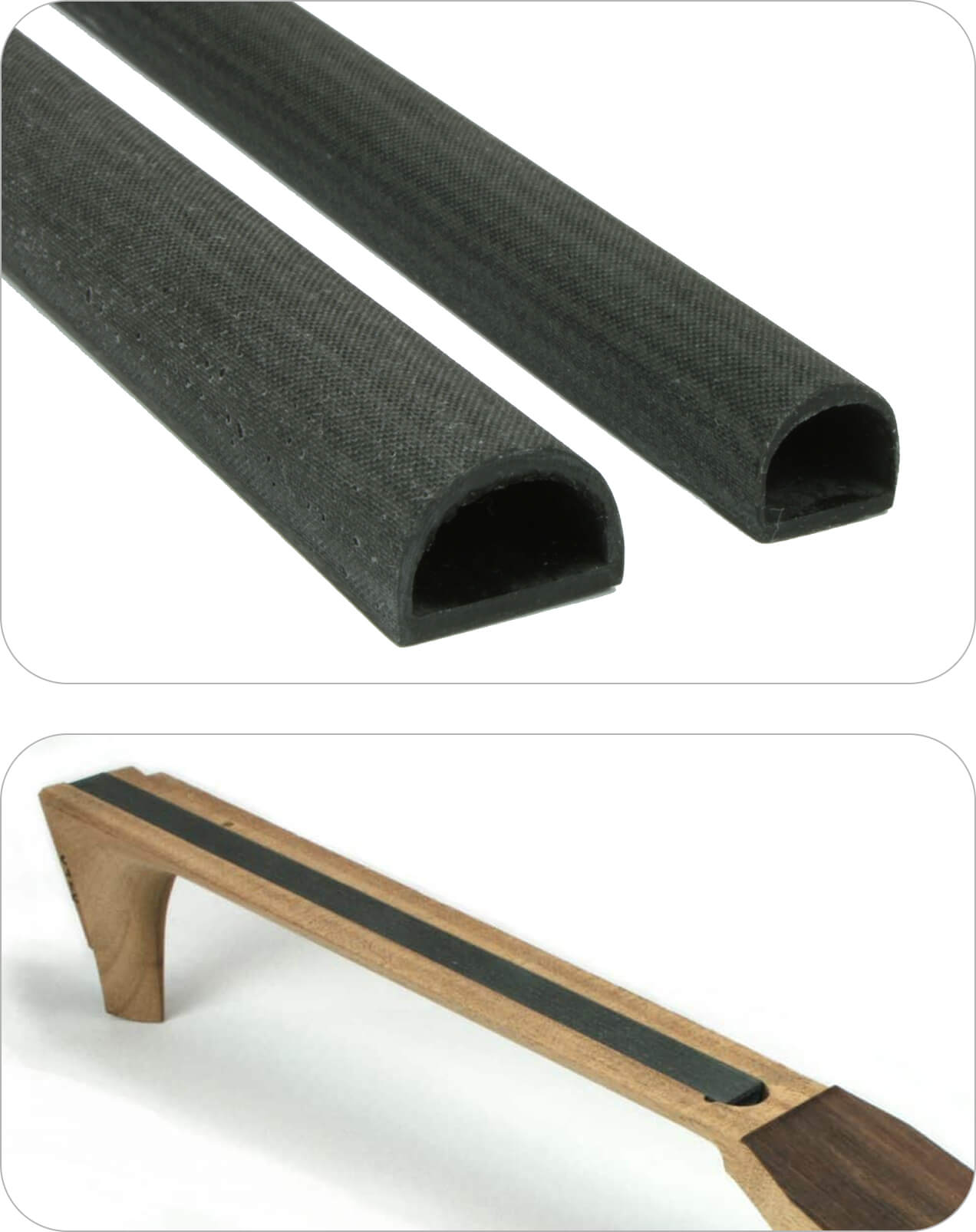
The patented Carbon Fiber D-Tube Neck Beam™ has been specifically designed to stabilize instrument necks due to its unique D-Tube structure. The Carbon Fiber D-Tube Neck Beam replaces the truss rod, significantly increasing both bending and torsional stiffness and weighs less than the removed wood!

As an alternative to traditional musical instrument development, The D-Tube Neck Beam is available in 3/4″ in both straight and tapered versions and 1/2″ straight to fit virtually all necks. The 3/4″ tapered version is designed to be used on thin necks while the 1/2″ straight is designed for smaller necks such as a mandolin.

The D-Tube carbon fiber guitar neck beam replaces the typical approach of truss rod and carbon fiber reinforcement beams with a one piece insert. Cutting the groove for the d-tube is a much simpler operation and requires less labor than fitting a truss rod and carbon fiber reinforcement strips.

More information on this innovative carbon fiber guitar neck can be found at GeminiMusical.com

Carbon Fiber Cello Neck Brace

Element 6 Composites worked with James Ham to develop a carbon fiber neck brace for cellos. This specialized neck reinforcement provides high stiffness without adding a large amount of weight to this part of the cello. Additional details about James Ham Luthier can be found at www.hamstringsmusic.com
Carbon Fiber Guitar Internal Bracing

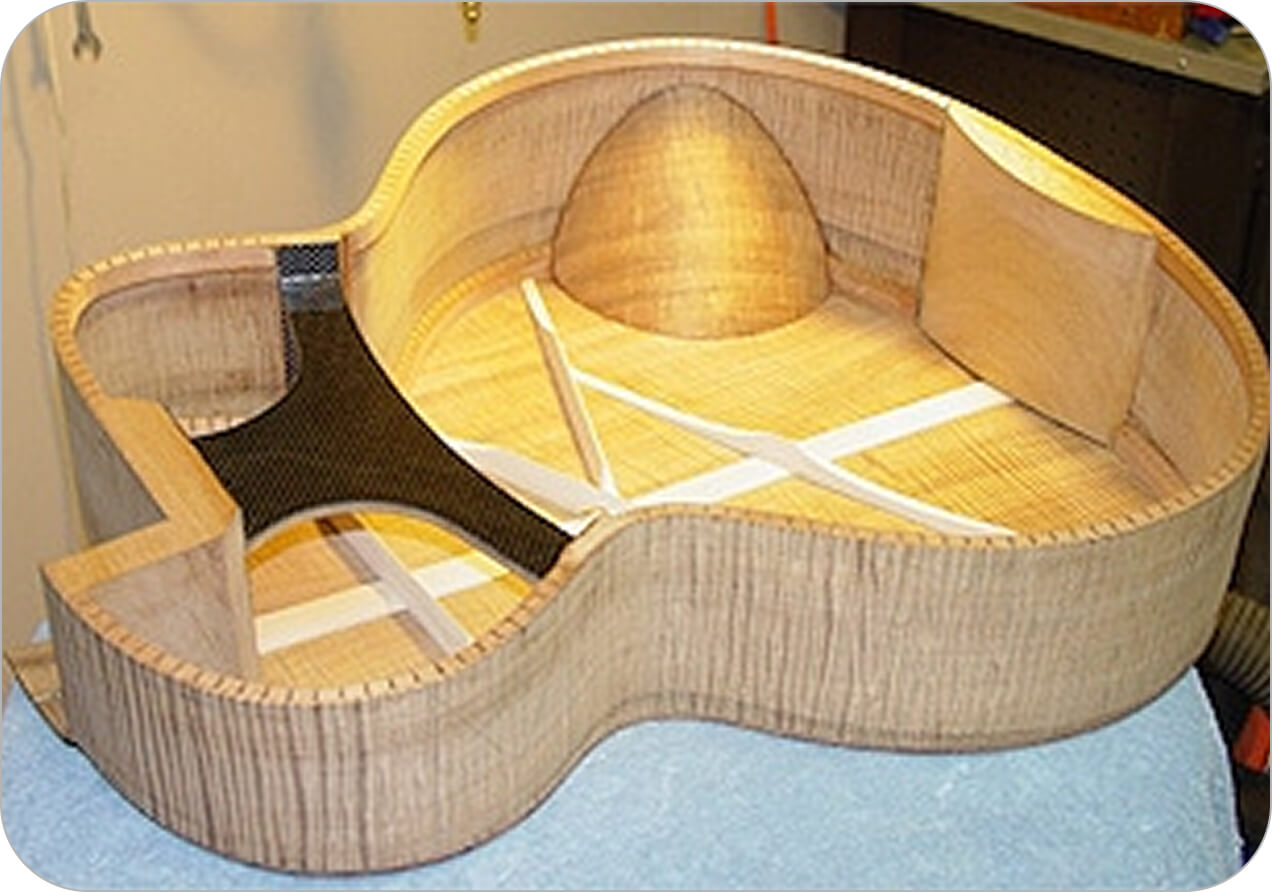
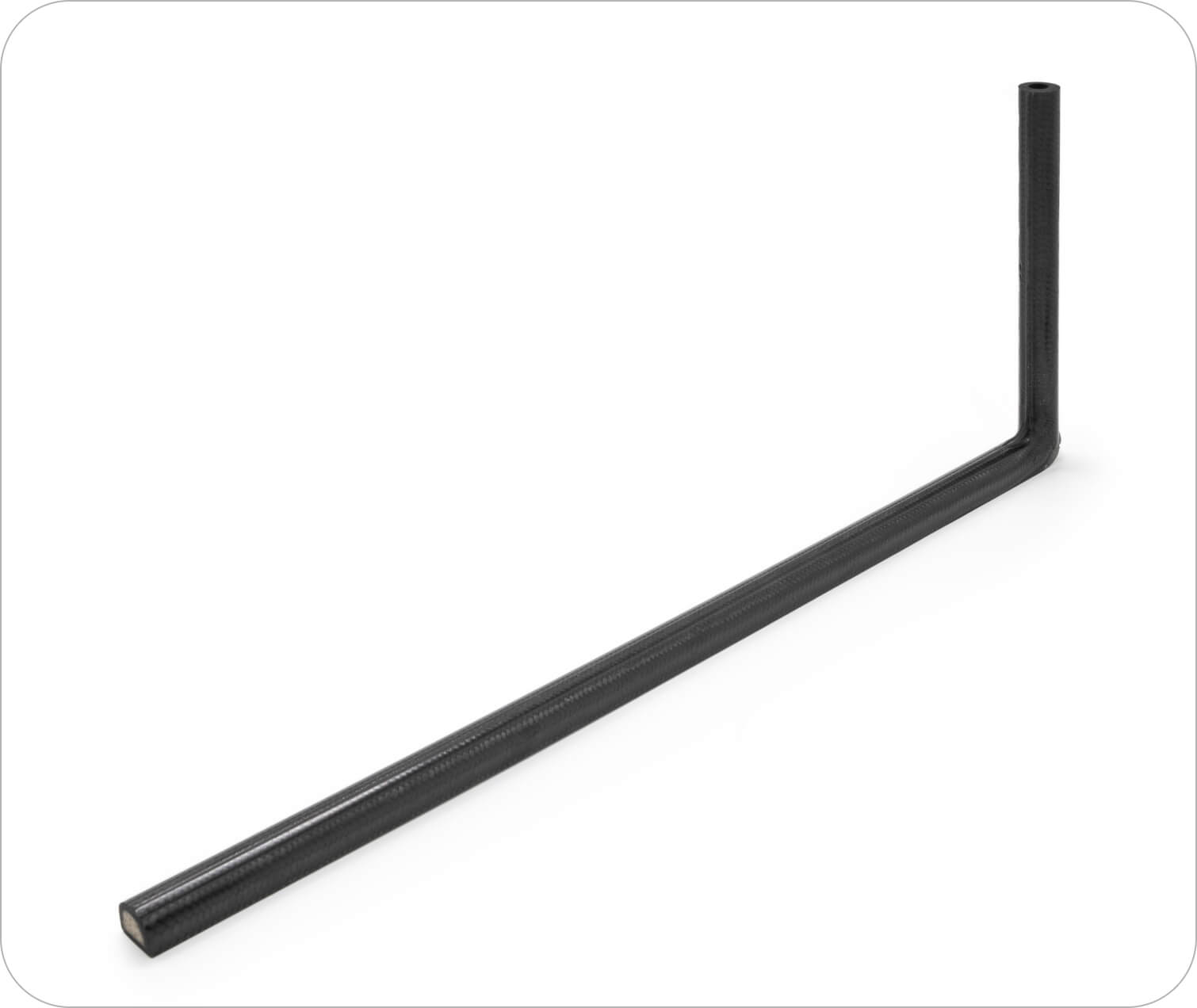
Dave Bertoncini worked closely with the engineers at Element 6 Composites to develop carbon fiber bracing for a custom-built guitar. For this project, low mass and high strength and stiffness were important design parameters, for which carbon fiber provided the best solution.

Appalachian Mountain Dulcimer with Carbon Fiber Soundboard

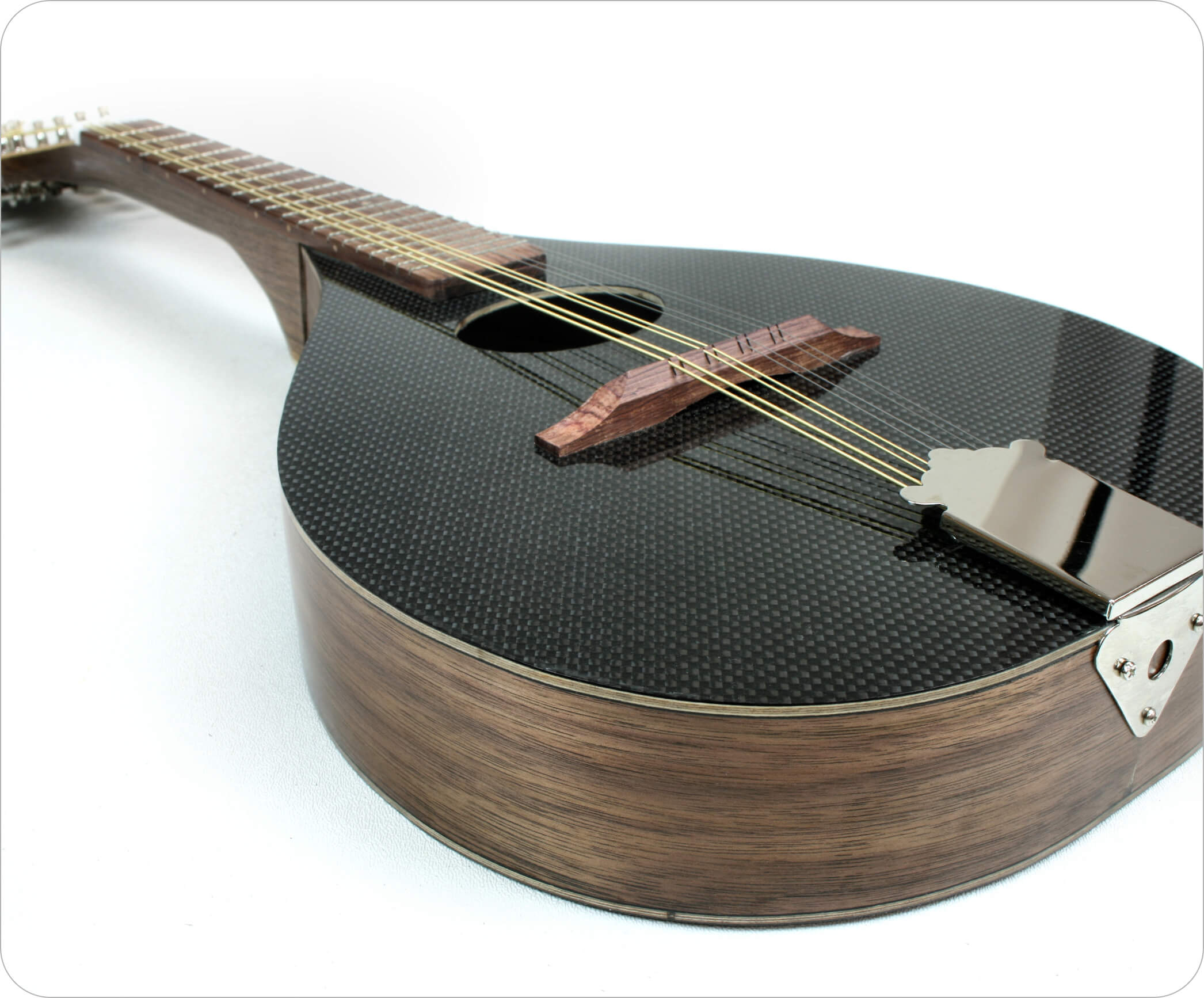
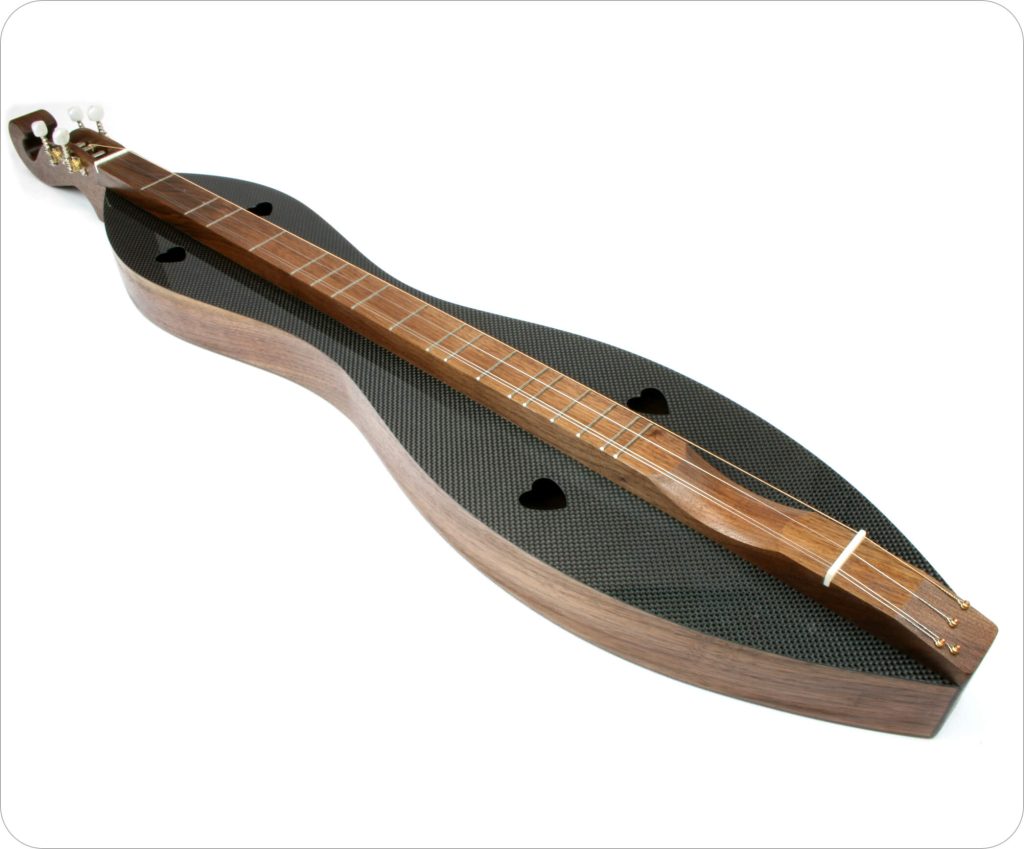
Continuing a tradition of unique applications of composite laminates to acoustics, Element 6 Composites recently developed a carbon fiber soundboard for an Appalachian mountain dulcimer. Traditional all-wooden dulcimers produce a sweet, yet relatively quiet tone.

The soundboard magnifies the sound made when the strings vibrate by coupling this sound to the body resonance chamber, thereby producing a quality musical tone; however, a wooden soundboard has a high degree of damping, and thus tends not to project well, particularly given the small size of the dulcimer and manner in which the strings are played.

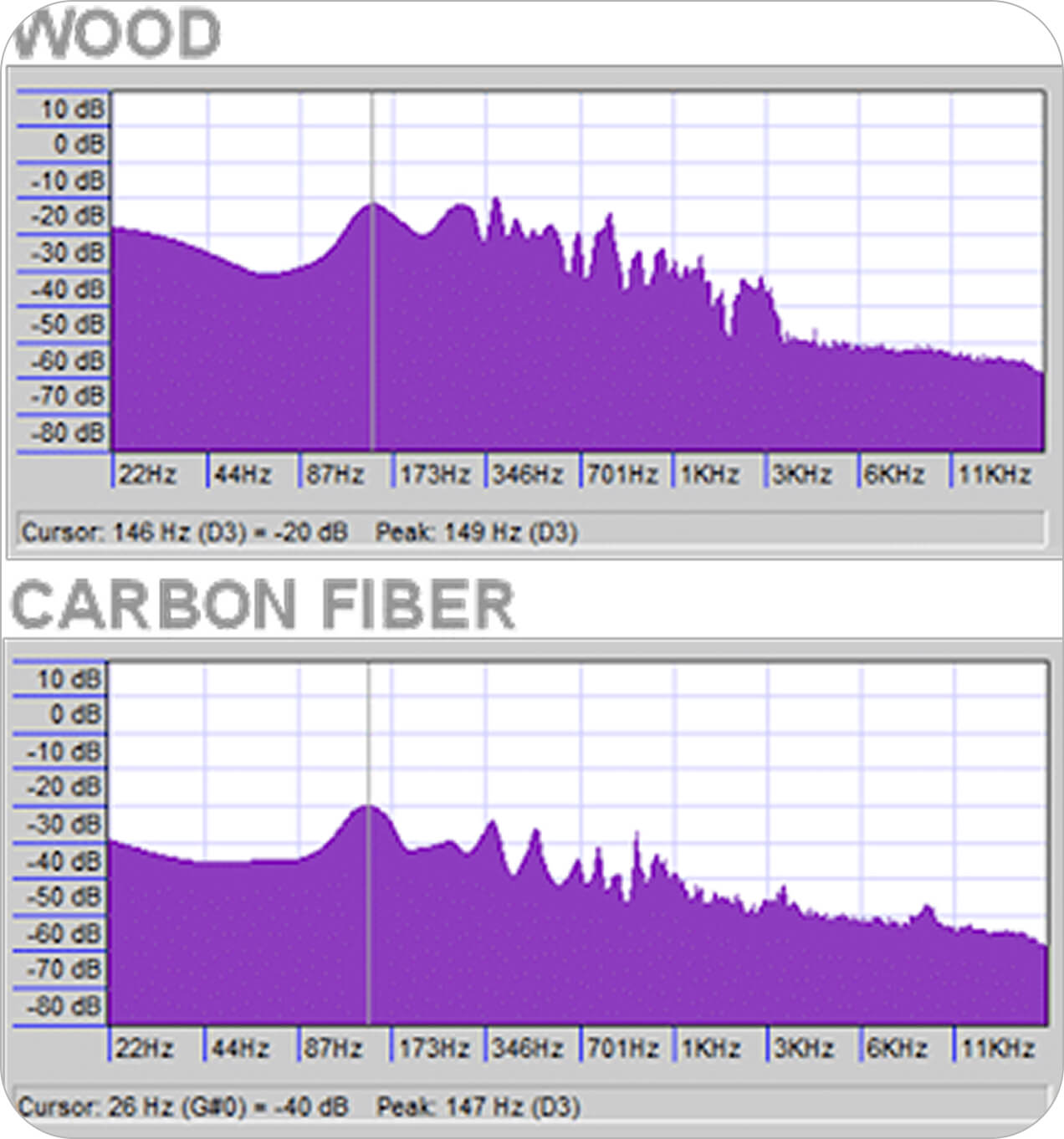
The solution to improving sound projection is to increase the stiffness of the carbon fiber soundboard, but without increasing the fundamental frequency.
Carbon Fiber Guitar Internal Bracing

For example, if solid carbon fiber is used to create a musical instrument, the soundboard natural frequencies will be higher than their wooden counterparts. Although sound amplification is improved, the resulting tones are harsh and unpleasant.

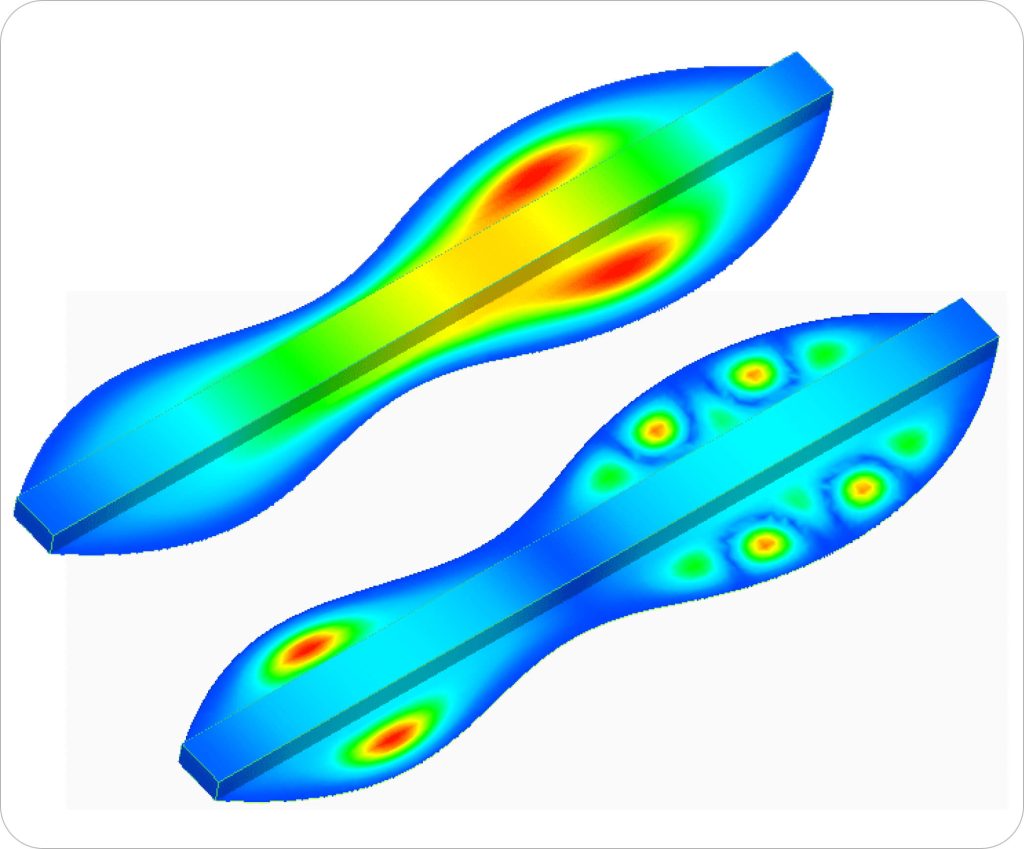
Through a combination of FEA analysis and acoustical testing, engineers at Element 6 Composites designed a custom composite laminate with drastically increased stiffness, but without increasing the fundamental of the plate. In fact, in the final design the fundamental was reduced by 2 Hz from 149 Hz to 147 Hz, producing a carbon fiber musical instrument with both excellent sound projection and a warm, full-bodied tone.

Carbon Fiber Musical Instrument Sound Board Patent

Element 6 Composites owns a patent for a carbon fiber musical instrument sound board (US Patnet #7,276,868). This patent details a method of constructing a soundboard for a hollow-body stringed instrument made of layers of carbon fiber and resin surrounding a core of one or more layers of constant-thickness plywood, veneer, or paper. Additional shaped layers are utilized to produce a desired pattern of stiffness within the soundboard, allowing it to be tuned through customized thickness and material mass distribution.

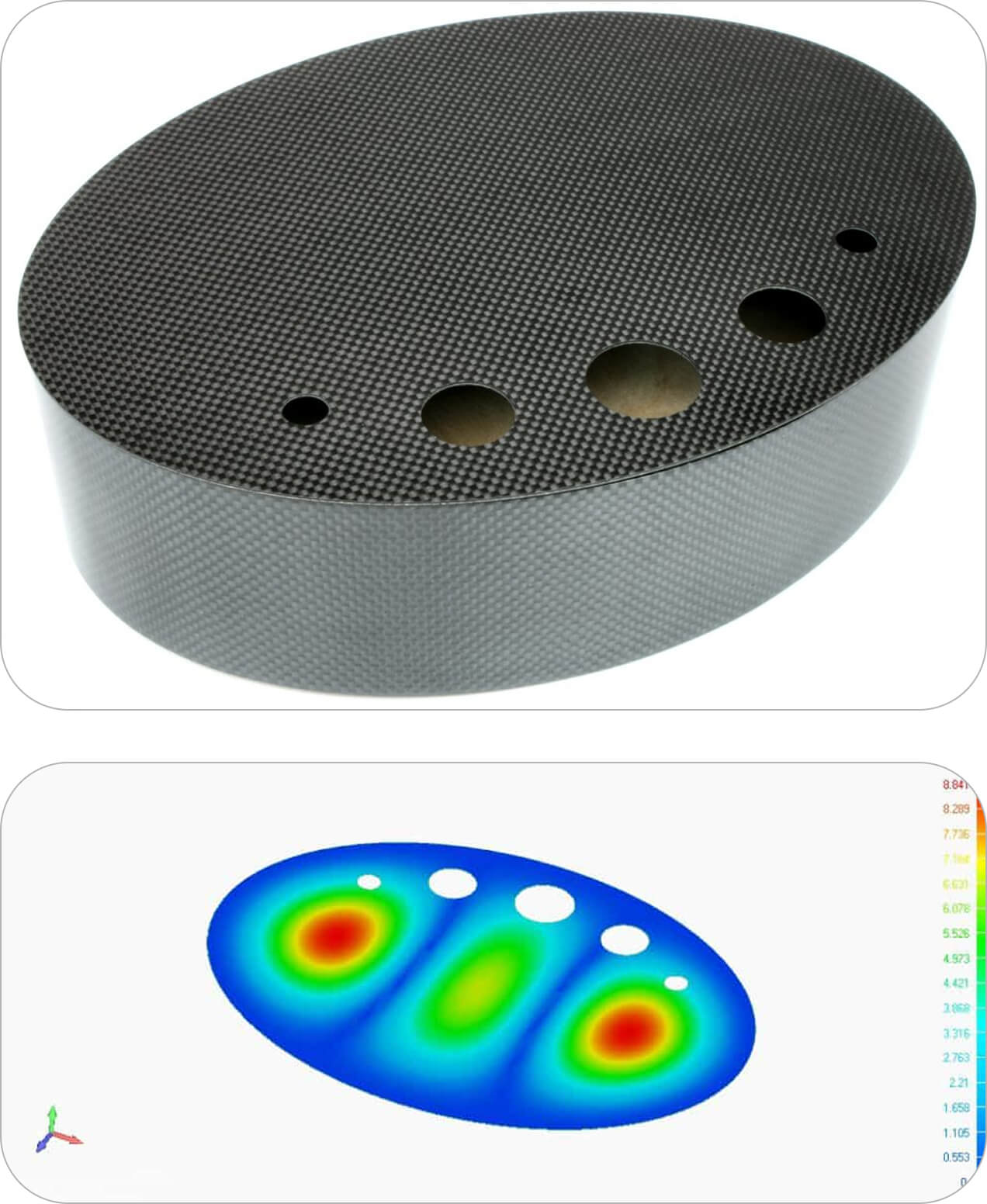
Music Box Passive Amplifier

Amplification of sound is typically done actively using microphones and speakers; however, passive amplification using Helmholtz resonation is a very nice alternative. This is particularly true for applications related to music, where an unaltered tone is ideal. Specifically aimed at music boxes and singing greeting cards, Element 6 Composites developed a small, yet deceptively complex carbon fiber stage to amplify the sound of these items, particularly in the lower frequency ranges. Due to its low mass and high stiffness, carbon fiber transmits sound extremely well. Interplay from several parameters was investigated using both acoustic and Nastran finite element analyses. The pictures show some of the results from these tests, where the goal was to provide a well distributed range of natural frequencies and clean mode shapes.

Essentially acting as the soundboard for the music box stage, multiple composite layups were tested, each with a unique tonality. The effect is quite dramatic, since music boxes and greeting cards typically lack any bass due to their size. The result is an attractive carbon fiber piece with a rich, well balanced tone.

Sound Post Setter

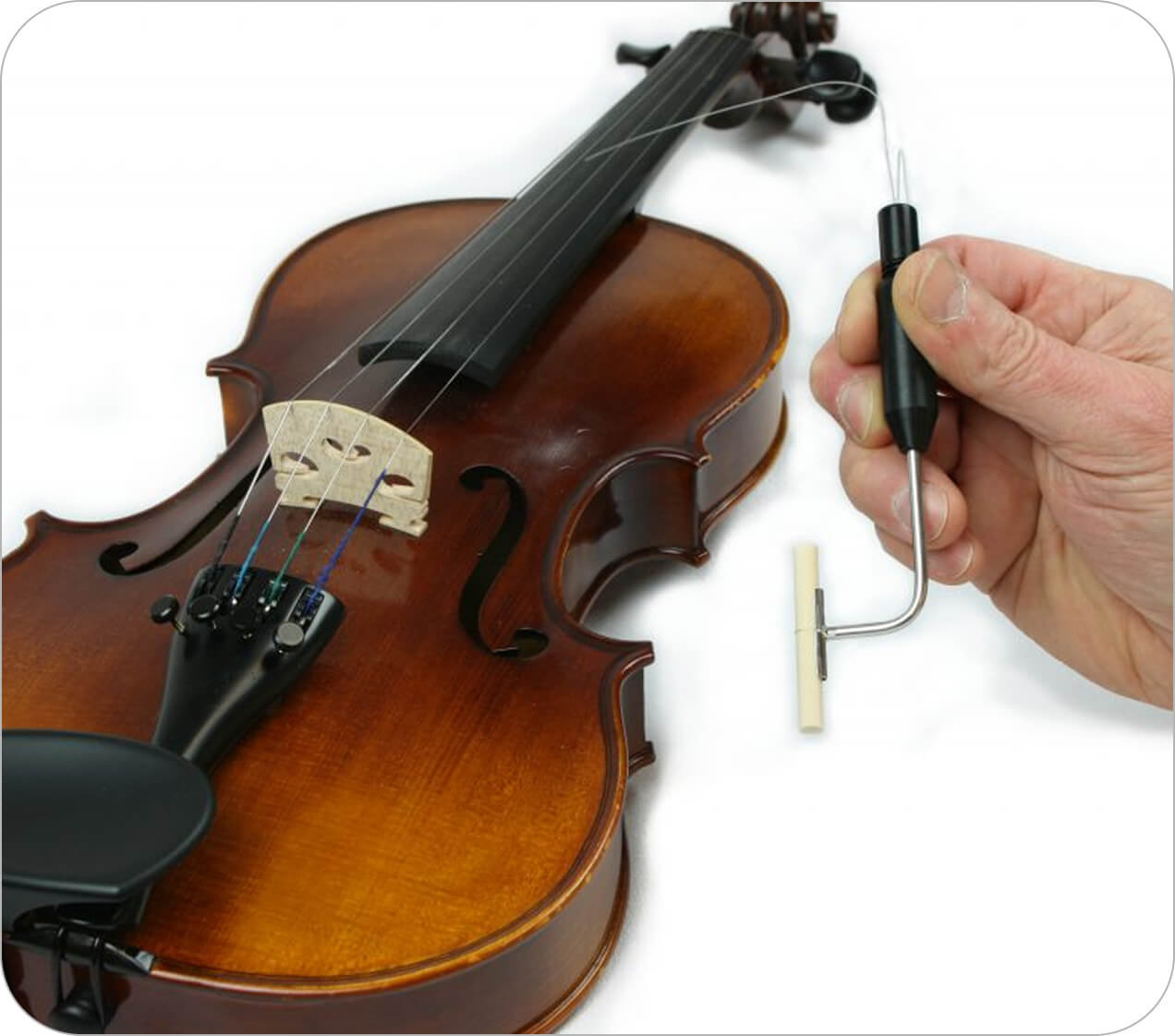
Within the body of the violin family of stringed instruments, a small, typically round wooden rod, connects the top and bottom plates, allowing the instrument to resonate properly. Without a properly placed soundpost, these instruments do not produce quality musical tones, and will not project throughout a concert hall. For the majority of stringed instrument players, however, if the soundpost falls out of place, the only option is to bring the instrument to a repair shop and pay for it to be reset.

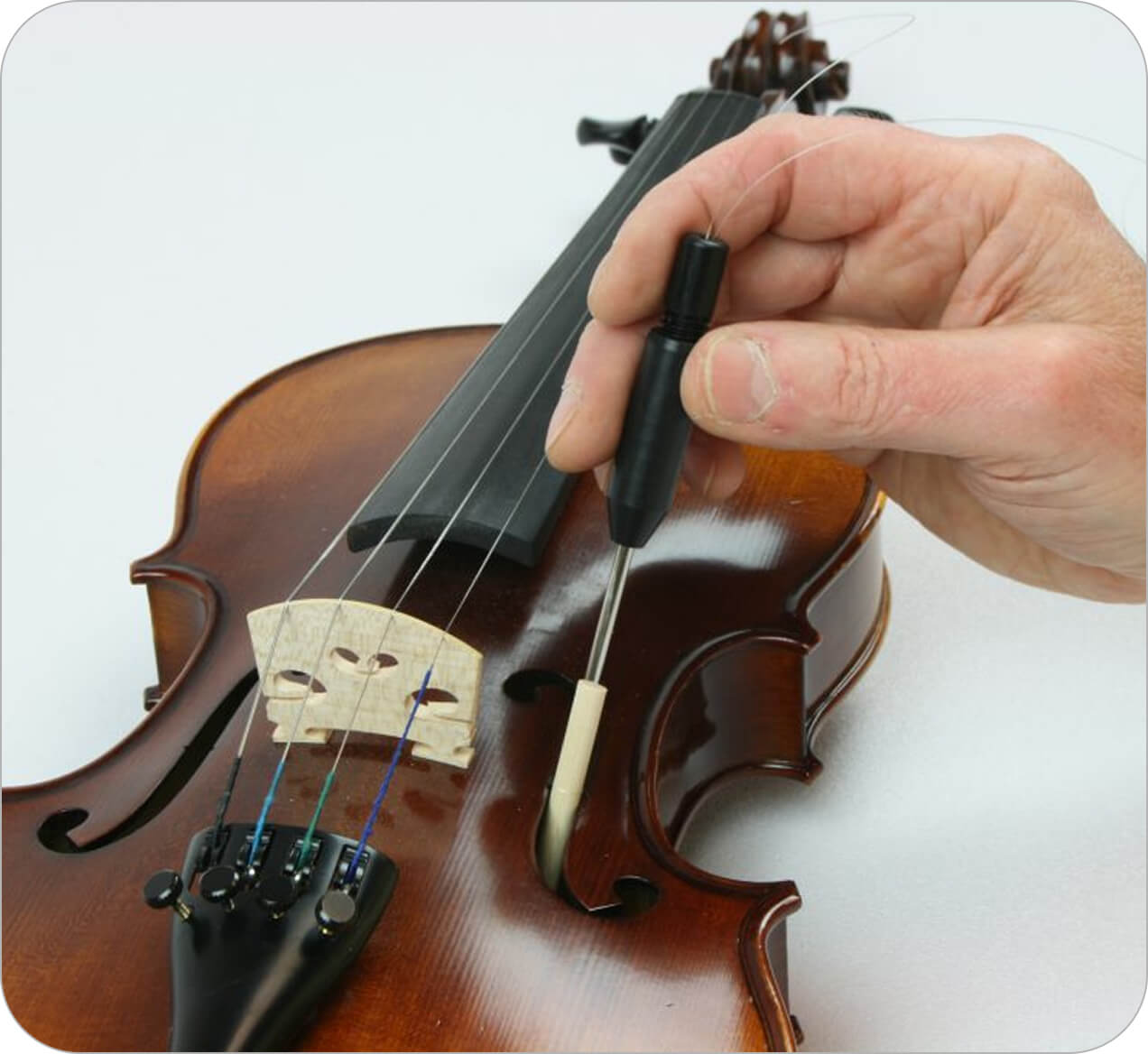
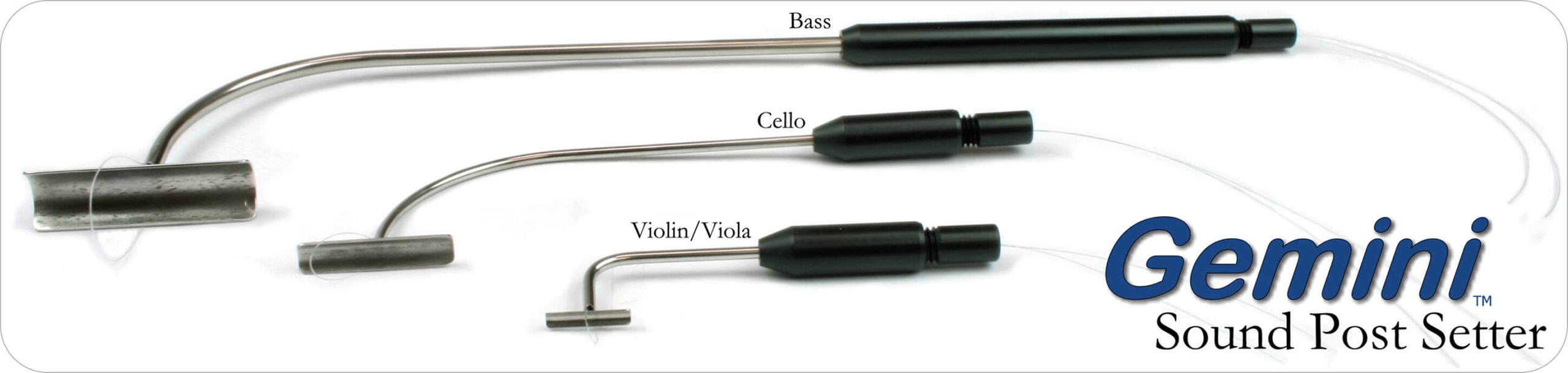
Although preferable for professional musicians, for students, school music teachers, and casual players, the cost and hassle involved left a demand for an easy to use tool for setting your own soundpost. The engineers at Element 6 Composites made several improvements to the current soundpost setting tools geared directly to improving ease of soundpost placement and tool retrieval. Specific patent-pending features of this tool include the internal locking mechanism and single-line soundpost securing and tool release.
Dramatic Improvement

The Gemini soundpost setter tool is a dramatic improvement over the traditional soundpost setter designs. Rather than piercing the soundpost with a sharp tip, the soundpost is instead held securely against the saddle at the tip of the tool without causing any damage. The sound post is then easily inserted through the f-hole and into proper position without risk of dislodging, a common problem with traditional soundpost tools.

In addition, the fixed geometry of the soundpost and tool assembly allows the user to precisely locate the soundpost within the instrument. This tool is currently being used by teachers, students, and even luthiers around the world. In particular, for students and teachers, it allows them to quickly reset soundposts in student instruments, instead of sending them out for repair. For luthiers, reduced setting time is beneficial; however, this tool has also found wide acceptance as a means to hold the soundpost in place while it is measured for final length.
Carbon Fiber Clamps

Through interactions with stringed instrument luthiers, the opportunity presented itself to develop a series of lightweight carbon fiber clamps. These patent-pending tools, now marketed under the Gemini wood carving label, were designed to replace the heavy steel and aluminum clamps traditionally used in the construction and repair of instruments, as well as other fine wood working applications.
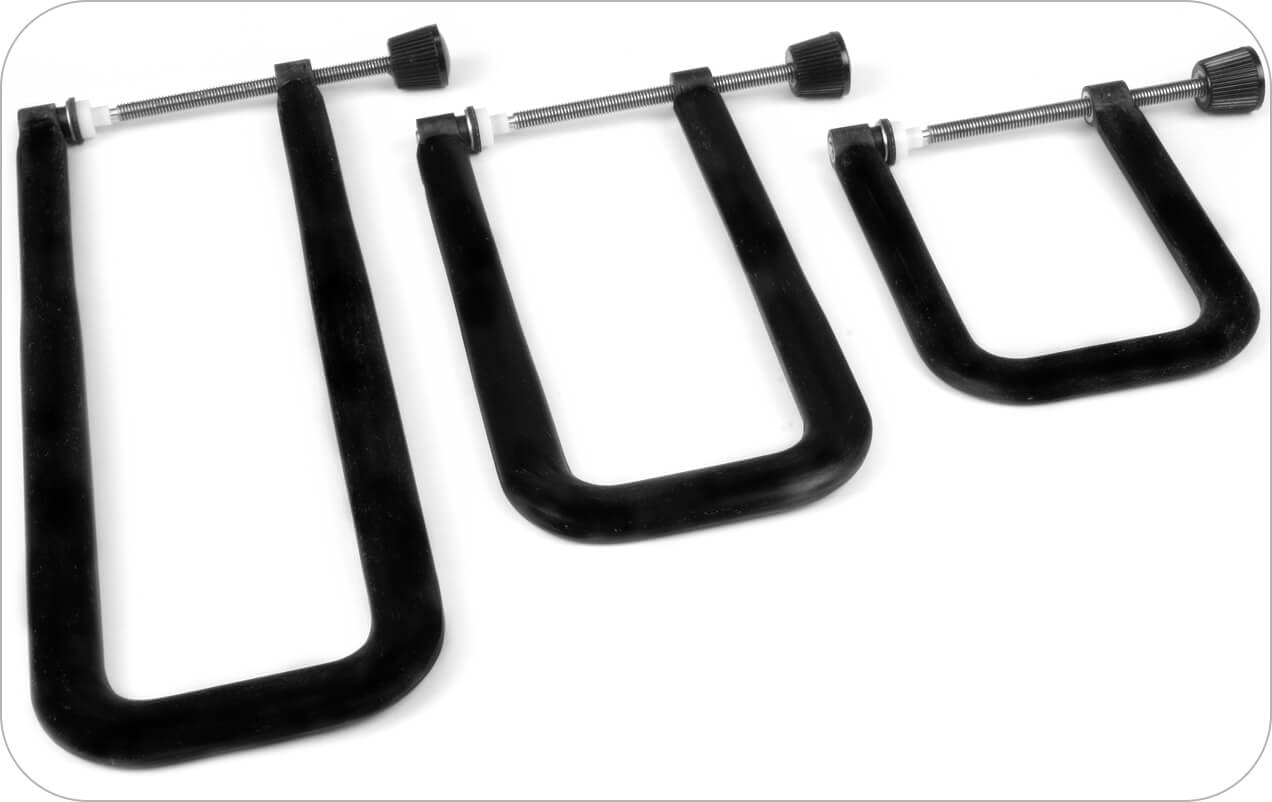
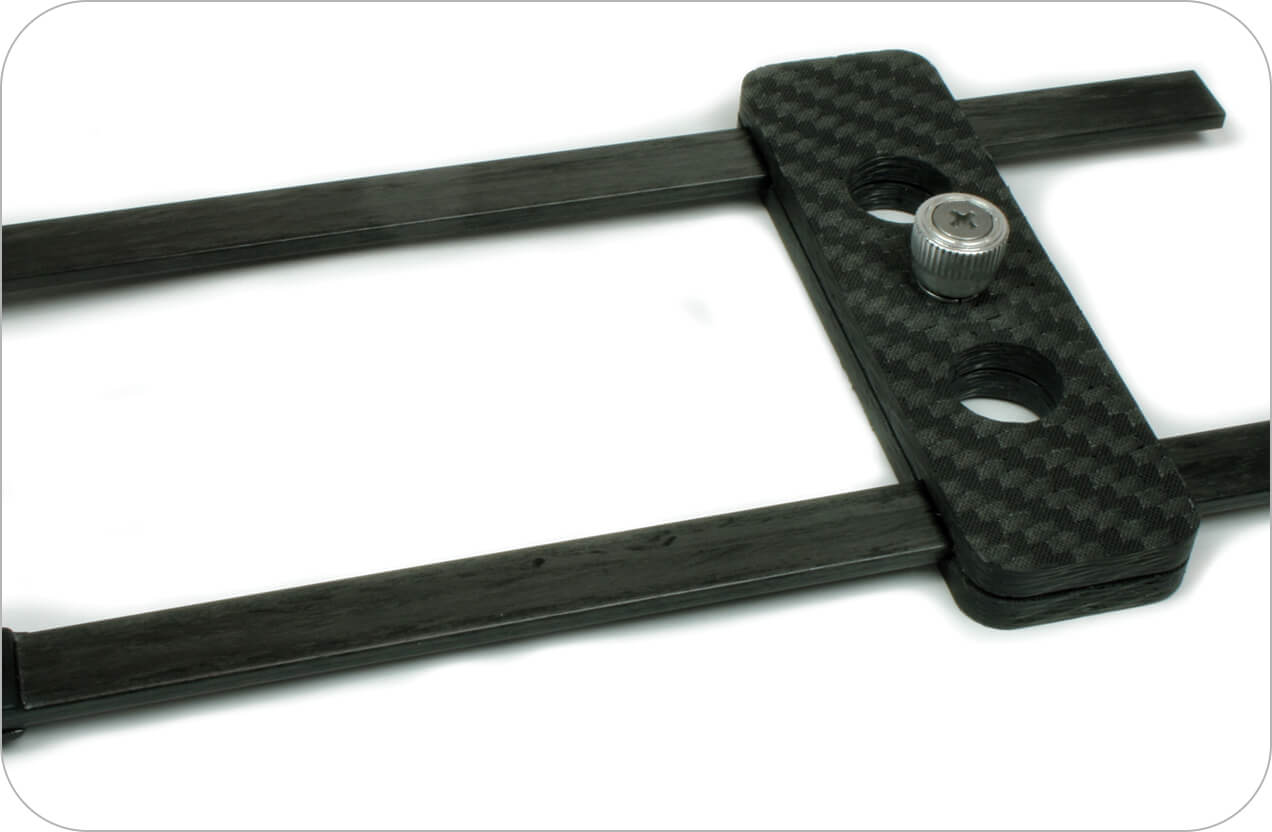
When compared with traditional metal or plastic clamps, these carbon fiber clamps are nearly the weight of the latter, while maintaining the stiffness of the former. This is achieved by strategically placing the carbon fiber to resist the large bending stresses present when the clamp is utilized. Carbon fiber is light and extremely stiff in the direction of the fibers, so in the areas of highest bending moment, additional fibers were oriented axially.

A special process was developed that allows the direct integration of both a non-uniform composite cross-section, as well as the clamping hardware, within a single part. The result is a lightweight, yet extremely robust tool that provides ample clamping force without the substantial weight load placed on the instrument typical of metal clamps.

Carbon Fiber Sound Posts

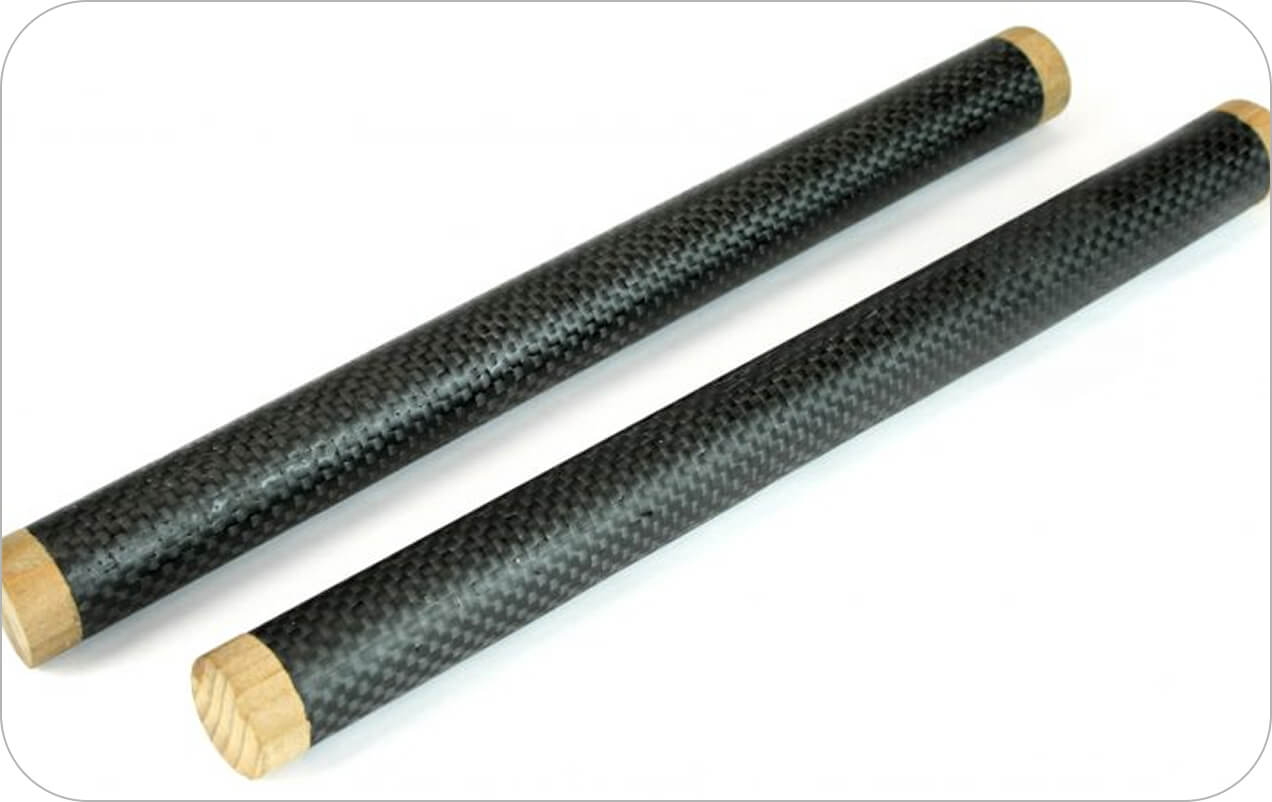
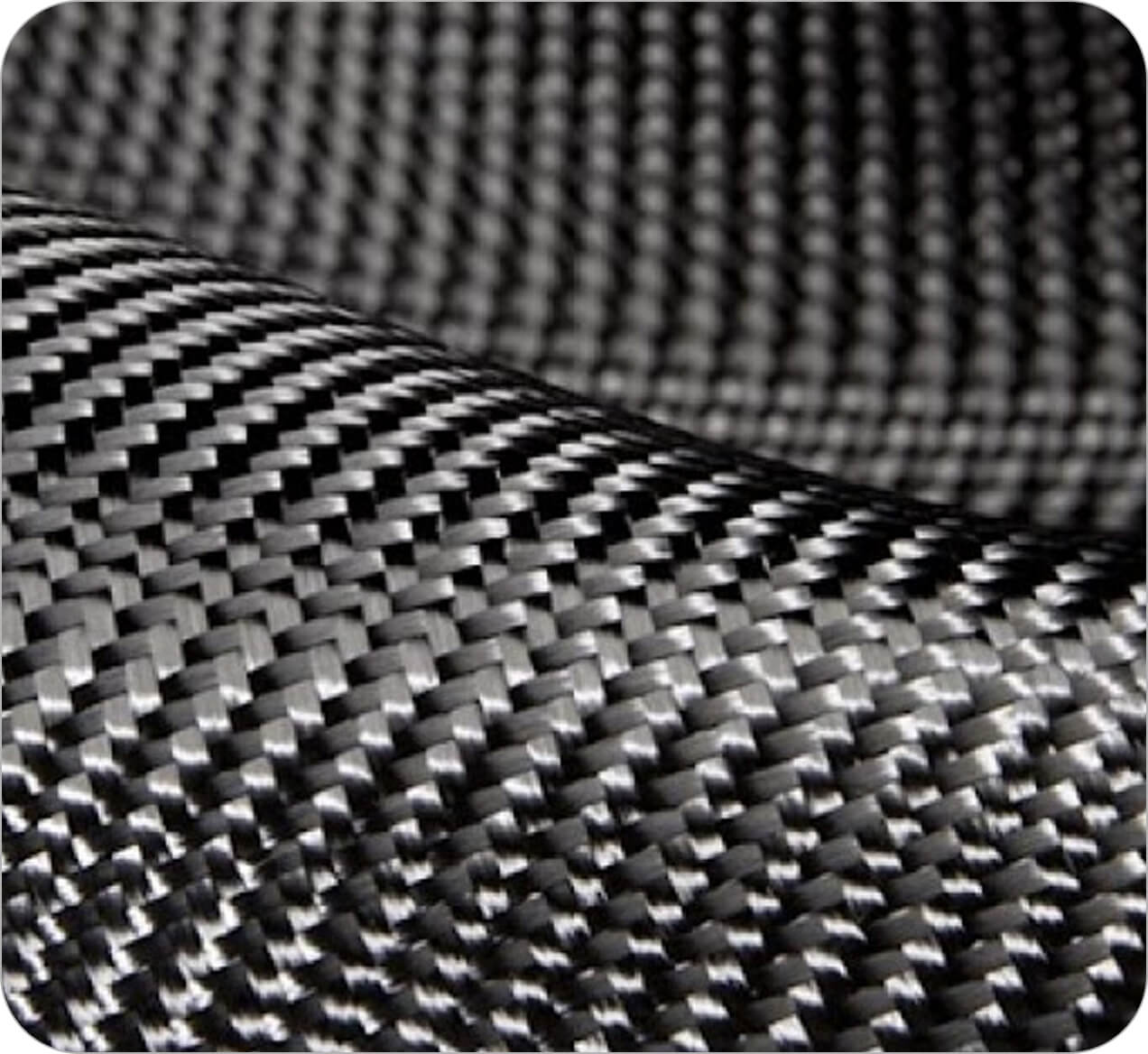
Another unique application of carbon fiber to musical applications was the design of a carbon fiber sound post for stringed musical instruments. Element 6 Composites worked with Michael Griffin, Assistant Principal of the Rochester Philharmonic Orchestra and owner of Luthier’s Care, to develop sound posts with reduced mass and higher stiffness compared with conventional wooden sound posts.
Exciting Alternative

Mr. Griffin found that the carbon fiber material, “resulted in a bass tone that was noticeably clearer, punchier, and speedy in production.” Mr. Griffin ascertained that, “the reduced mass of the CF sound post, compared to spruce, is responsible for allowing quicker sound post function of plate interaction, resulting in increased high frequency production. As a luthier and professional bassist, the CF sound post is an exciting alternative to traditional spruce.”

If you’re interested in a custom project or wish to know more technical information regarding the development of carbon fiber musical instruments, please don’t hesitate to contact us.

With our team of highly skilled craftsmen, we’re confident that we’ll provide superior results. We look forward to discussing your ideas with you.

View All Applications

© 2025 Element 6 Composites. All Rights Reserved