Frequently Asked Questions

Materials & Product Information

What types of composite materials are used at Element 6 Composites?

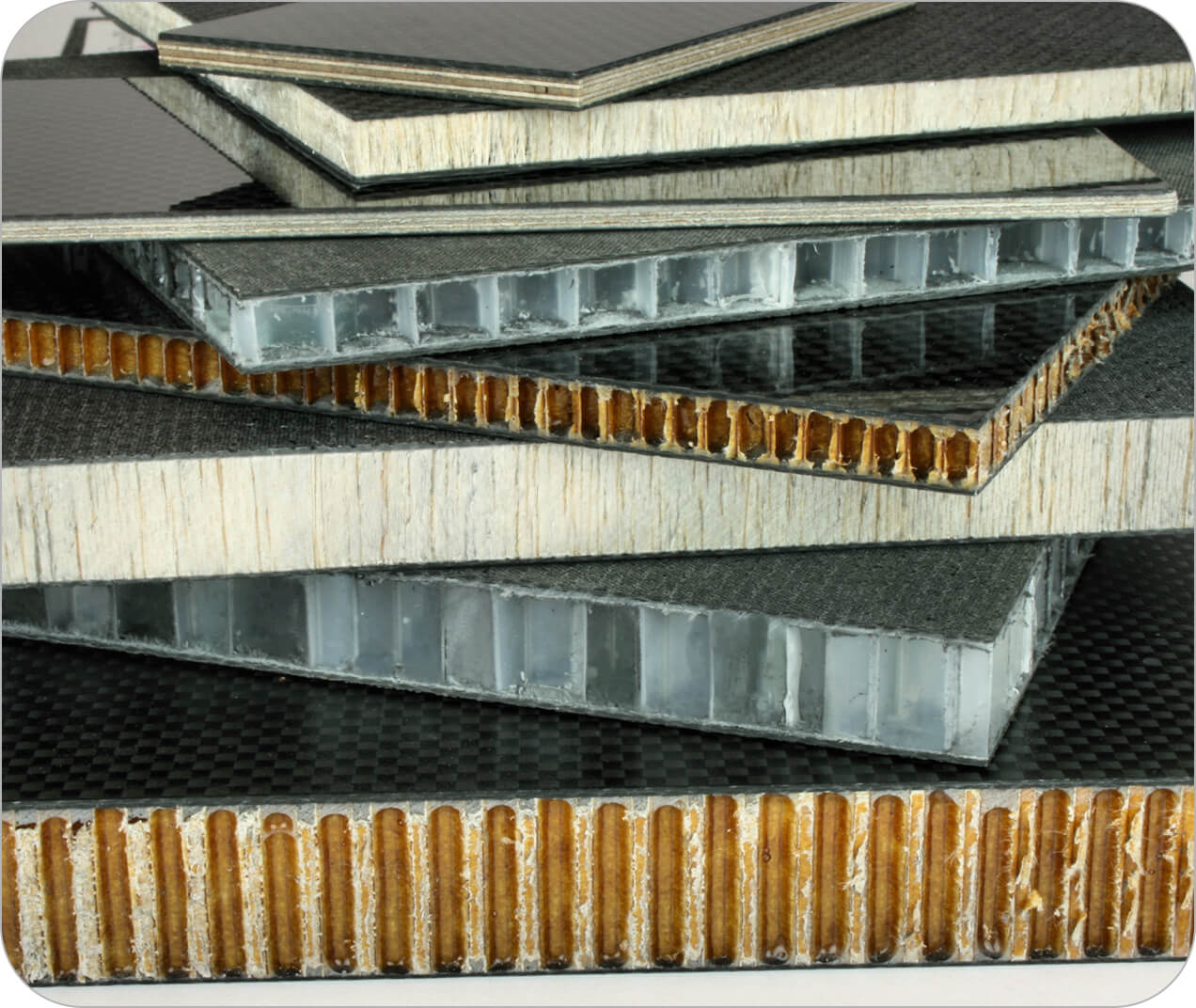
Element 6 Composites utilizes a variety of materials for composite fabrication, including polypropylene honeycomb, aramid (Nomex) honeycomb, Kevlar honeycomb, carbon-fiber honeycomb, metal honeycomb (such as aluminum), foam cores (Airex, Depron, Divinycell), and wood cores (balsa wood, birch plywood). Each material offers unique properties suited for specific applications. Learn more.

What are the advantages of polypropylene honeycomb in composite structures?

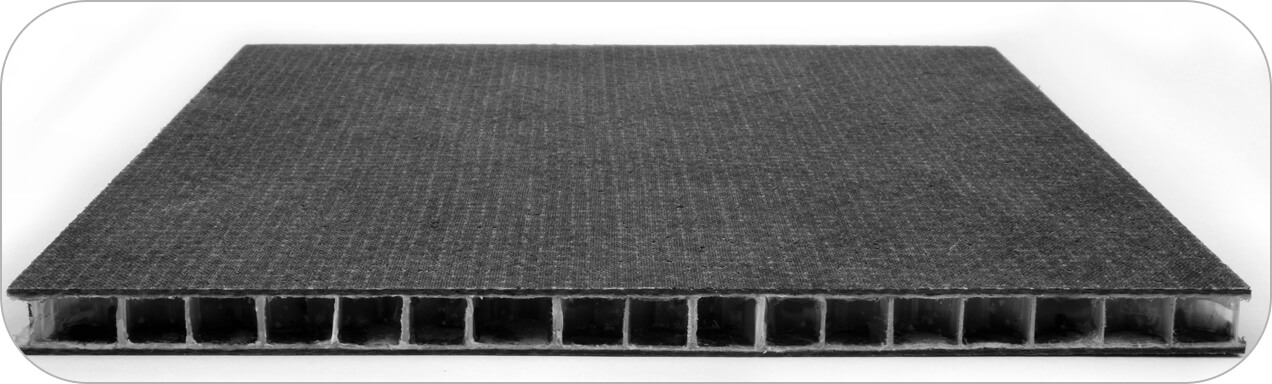
Polypropylene honeycomb is tough and durable, resulting in strong impact-resistant laminates. It also offers resistance to moisture and high sound and vibration attenuation, making it suitable for applications requiring durability and acoustic performance. Source

How does Nomex honeycomb compare to Kevlar honeycomb?

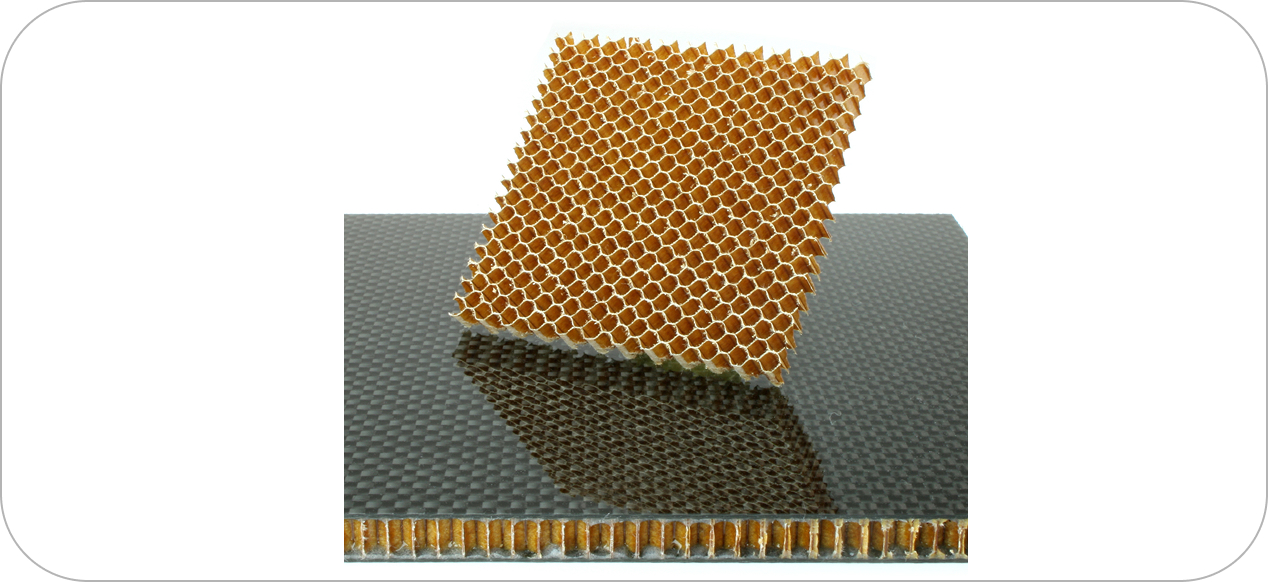
Nomex honeycomb is lightweight, non-metallic, and offers excellent resiliency, low density, corrosion resistance, flame retardancy, and good compressive strength-to-weight ratio. Kevlar honeycomb, also made from aramid fibers, provides better structural properties, particularly in compressive strength, making it ideal for applications requiring higher load-bearing capacity. Source

What are the benefits of using carbon-fiber honeycomb as a core material?

Carbon-fiber honeycomb offers extremely high strength and minimal thermal expansion, making it suitable for space applications such as satellites where weight savings and thermal stability are critical. However, its high cost limits its use to specialized applications. Source

What properties make aluminum honeycomb a common choice for composite cores?

Aluminum honeycomb provides excellent compressive and shear strength, making it a popular choice for composite cores, especially when paired with fiberglass face sheets. Its durability and strength are ideal for structural applications. Source

What types of foam cores are used in composite structures at Element 6 Composites?

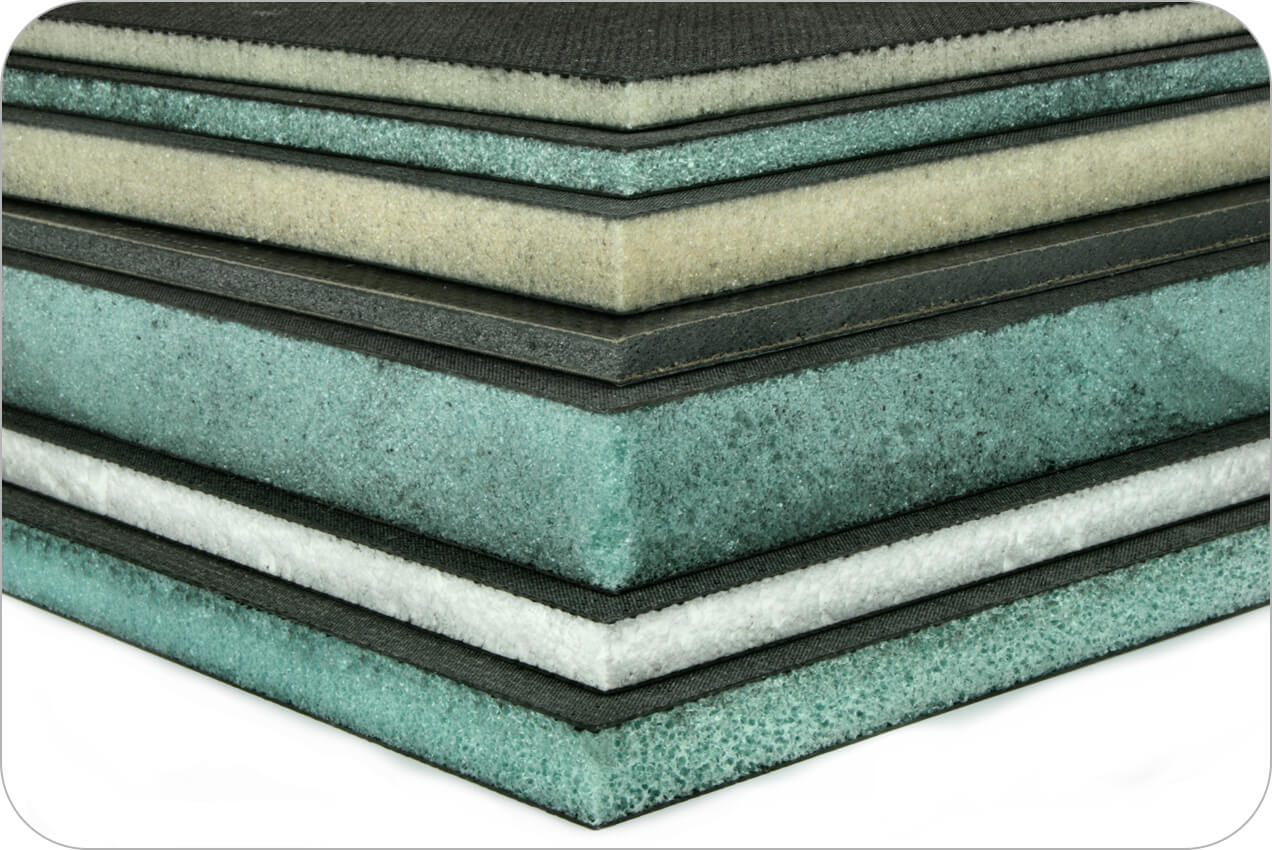
Element 6 Composites uses Airex, Depron, and Divinycell foam cores. Airex is lightweight with good impact strength, Depron is inexpensive and non-structural, and Divinycell is a medium-density structural foam with high strength and damage tolerance, ideal for impact and local crushing resistance. Source

How does foam density affect composite panel performance?

Foam density ranges from 1.0 lbs/ft³ to over 60 lbs/ft³. High-density foams provide greater resistance to compression and crush, while low-density foams with carbon-fiber face sheets can produce panels with exceptionally high stiffness-to-weight ratios, especially in thicker panels. Source

What are the benefits of using balsa wood as a core material?

Balsa wood offers a very high strength and stiffness-to-weight ratio. End grain balsa provides exceptionally high shear, tensile, and compressive strengths for its weight. It is also a renewable resource, with trees maturing to 90 feet in seven years. Source

How does birch plywood compare to balsa wood in composite applications?

Birch plywood is higher density than balsa wood, providing a durable final product with excellent compressive strength, resistance to local crushing, and machinability. It is suitable for applications requiring greater durability and strength. Source

Where can I shop for carbon fiber products from Element 6 Composites?

You can shop for carbon fiber products from Element 6 Composites through their partner brand DragonPlate at dragonplate.com. The site offers a wide range of panels, tubes, beams, and trusses.

What engineering and design services are available for carbon fiber composites?

Element 6 Composites offers engineering and design services for carbon fiber composites, including design review, prototyping, and manufacturing support. You can request a consultation or upload your project details for a free design review at element6composites.com/contact.

How can I request a consultation or design review for my project?

You can request a consultation or a free design review by submitting your project details through the online form at element6composites.com/contact. This helps ensure your project is ready for the next steps and minimizes errors.

What technical resources are available to learn about carbon fiber composites?

Element 6 Composites provides several technical resources, including The Ultimate Guide to Carbon Fiber Design and Application, What is Carbon Fiber?, and Composite Materials. These guides cover design principles, material properties, and application insights.

What is the typical process for starting a project with Element 6 Composites?

The process typically begins with a free design review, followed by prototyping and manufacturing services. Customers can communicate directly with the team via the contact page or phone for personalized support. Contact us.

What industries commonly use Element 6 Composites materials?

Industries such as aerospace, robotics, medical devices, defense, marine, and industrial automation commonly use Element 6 Composites materials due to their high strength-to-weight ratio, durability, and compliance with industry standards. See applications.

What are the main benefits of using carbon fiber composites?

Carbon fiber composites offer superior strength-to-weight ratio, durability, corrosion resistance, and performance under extreme conditions. They are ideal for demanding applications in aerospace, robotics, and medical devices. Source

How do I contact Element 6 Composites for support or questions?

You can contact Element 6 Composites for support or questions via their online form at element6composites.com/contact or by calling 315-252-2559.

Features & Capabilities

What are the key product performance highlights of Allred & Associates?

Allred & Associates' products deliver high strength-to-weight ratio, durability, corrosion resistance, and reliability under high stress and extreme conditions. They are engineered for weight and performance optimization, regulatory compliance, and offer high-quality prototyping for design validation. Source

What advanced engineering capabilities does Allred & Associates offer?

Allred & Associates provides Solidworks CAD design, Nastran Finite Element Analysis (FEA), Mastercam CNC tool path design, prototyping, and in-house tool design. These capabilities ensure precision and efficiency in product development. Learn more.

Does Allred & Associates offer custom fabrication and prototyping?

Yes, Allred & Associates offers custom carbon fiber fabrication, CNC cutting, and prototyping services. These allow customers to test and validate designs before full-scale production, reducing risks and accelerating time-to-market. Explore options.

What certifications does Allred & Associates hold?

Allred & Associates operates an ISO 9001:2015-certified facility, ensuring high-quality production standards and reliability for customers across industries. Source

How does Allred & Associates ensure regulatory compliance for medical and defense applications?

Allred & Associates provides biocompatible and radiolucent materials tailored to meet stringent regulatory standards for medical and defense industries, ensuring safe and effective use and reducing delays in market entry. Learn more.

What is Finite Element Analysis (FEA) and how does it benefit customers?

Finite Element Analysis (FEA) is an advanced simulation tool used to optimize designs, reduce material waste, and improve manufacturing efficiency. It helps identify weak points and ensures cost-effective production, especially in aerospace and automotive industries. Learn more.

What customization options are available for carbon fiber composites?

Allred & Associates offers tailored solutions, including custom sheet sizes, CNC cut parts, custom laminate schedules, and specialized components like braided carbon fiber tubes and truss structures. Explore customization.

How does Allred & Associates optimize weight and performance in their products?

Custom carbon fiber solutions are engineered to reduce weight while maintaining or enhancing performance, making them ideal for industries like aerospace, robotics, and unmanned systems. Source

Pricing & Plans

How is pricing determined for Allred & Associates products and services?

Pricing for standard products is listed transparently on the DragonPlate website. Custom projects are priced based on material preferences, dimensions, tolerances, and performance criteria, ensuring customers only pay for what they need. See pricing.

Does Allred & Associates offer cost-efficient production solutions?

Yes, Allred & Associates uses advanced tools like Finite Element Analysis (FEA) to optimize designs, reduce material waste, and improve manufacturing efficiency, resulting in cost-effective production without compromising quality. Learn more.

Use Cases & Benefits

Who can benefit from Allred & Associates' products?

Industries such as aerospace, defense, medical devices, robotics, industrial automation, and the music industry benefit from Allred & Associates' high-performance composite solutions. Roles include engineers, product designers, project managers, procurement specialists, regulatory specialists, and students. Source

What business impact can customers expect from using Allred & Associates' products?

Customers can expect cost savings, enhanced product performance, faster time-to-market, regulatory compliance, operational efficiency, weight and performance optimization, and risk reduction. These benefits help customers achieve performance goals and maintain a competitive edge. Source

Can you share specific case studies or success stories?

Yes, Allred & Associates has case studies in marine defense (Frontier Electronic Systems), drone technology (Eureka Dynamics), nuclear and industrial robotics (International Climbing Machines), aerospace (student rocket projects), and the music industry (carbon fiber guitars). Read more, Learn more, Rocket case study, Watch demo, Explore details.

What problems do Allred & Associates' products solve?

Allred & Associates addresses high manufacturing costs, complex manufacturing processes, localized stress concentrations, regulatory challenges, weight and performance optimization, prototyping and design validation issues, and material handling and safety concerns. Source

How does Allred & Associates differentiate itself in solving customer pain points?

Allred & Associates leverages advanced simulation tools, end-to-end services, tailored regulatory compliance, weight and performance optimization, high-quality prototyping, and safety-focused fabrication processes to address customer pain points. These differentiators set the company apart from competitors. Source

Competition & Comparison

How does Allred & Associates compare to competitors in the composites market?

Allred & Associates stands out by offering advanced simulation tools (FEA), end-to-end services, tailored solutions, regulatory compliance, ISO 9001:2015 certification, and high-quality prototyping. These strengths provide precision, quality, and cost efficiency, especially for industries with demanding requirements. Source

What are the advantages of Allred & Associates for different industry segments?

Aerospace and defense benefit from lightweight, durable materials; medical devices from biocompatible and radiolucent composites; robotics from lighter, stronger components; industrial automation from corrosion-resistant parts; and the music industry from innovative, lightweight designs. Source

Why should a customer choose Allred & Associates over alternatives?

Customers should choose Allred & Associates for cost efficiency, end-to-end services, advanced simulation tools, regulatory compliance, weight and performance optimization, and high-quality prototyping. These advantages ensure tailored, high-performance solutions and a seamless production process. Source

Support & Implementation

How easy is it to start working with Allred & Associates?

Allred & Associates offers a streamlined onboarding process, including free design reviews, prototyping services, direct communication, and end-to-end support. Customers do not need extensive resources, as the company provides expertise and guidance throughout the process. Contact us.

What is the typical implementation timeline for a project?

The implementation timeline is accelerated by prototyping and design validation services, which reduce perceived risk and ensure readiness for production. The process is designed to minimize delays and provide efficient support. Learn more.

Carbon Fiber Composite Materials

Composite Materials

Many different types of materials are used to create composites. Below is a description of the most commonly used at Element 6 Composites.

Honeycomb

Polypropylene Honeycomb: The advantages of the polypropylene honeycomb is that it is tough and durable, resulting in a strong impact resistant laminate.

Additional properties also include resistance to moisture, and high sound and vibration attenuation.

Aramid (Nomex) Honeycomb: Aramid fiber paper (for example, Nomex from DuPont Corporation) is an excellent lightweight non-metallic core material. Nomex offers excellent resiliency, low density, corrosion resistance, flame retardancy, and good compressive strength to weight ratio.

Kevlar Honeycomb: Like Nomex, Kevlar from DuPont Corporation is also manufactured from aramid fibers. However, the structural properties of Kevlar are better than Nomex, particularly in compressive strength.

Carbon-Fiber Honeycomb: Carbon-fiber can also be used as a core material; however, the cost is very high. Structures with this type of construction are often limited to space applications, for example, satellites, where weight savings is critical, and the thermal expansion needs to be kept at a minimum.

Metal Honeycomb: Various metal honeycomb core materials are available, depending on the application. Aluminum is a common metal used for honeycomb cores, particularly when used with fiberglass face sheets. The compressive and shear strength of aluminum honeycomb are excellent.

Foams

Foam cores produce extremely lightweight composite structures. Many different types of foams are available, depending on the application. In addition, foam volumetric density can range from as low as 1.0 lbs/ft3 to over 60 lbs/ft3.

High density foam cores provide greater resistance to compression and crush, as well as provide damage tolerance from impact. Low density foam cores with carbon-fiber face sheets, particularly in thicknesses greater 1”, can produce panels with extraordinarily high stiffness to weight ratio.

A few examples of foams cores commonly used in composite structures at Element 6 Composites are:

Airex Foam Core: Airex is a closed cell, cross-linked polymer foam, which is lightweight and has good impact strength.

Depron Foam Core: Depron is an inexpensive, non-structural foam. A Depron carbon fiber foam core laminate has excellent strength and stiffness in bending; however, lacks the compressive strength and crushing resistance of a structural foam core.

Divinycell Foam Core: Divinycell foam core is a medium density structural foam with very high strength, often used for heavier duty applications where lighter density foams may not work. In particular, Divinycell H100 is an excellent damage tolerant foam, and is ideal for applications that require resistance to impact and local crushing.

Wood

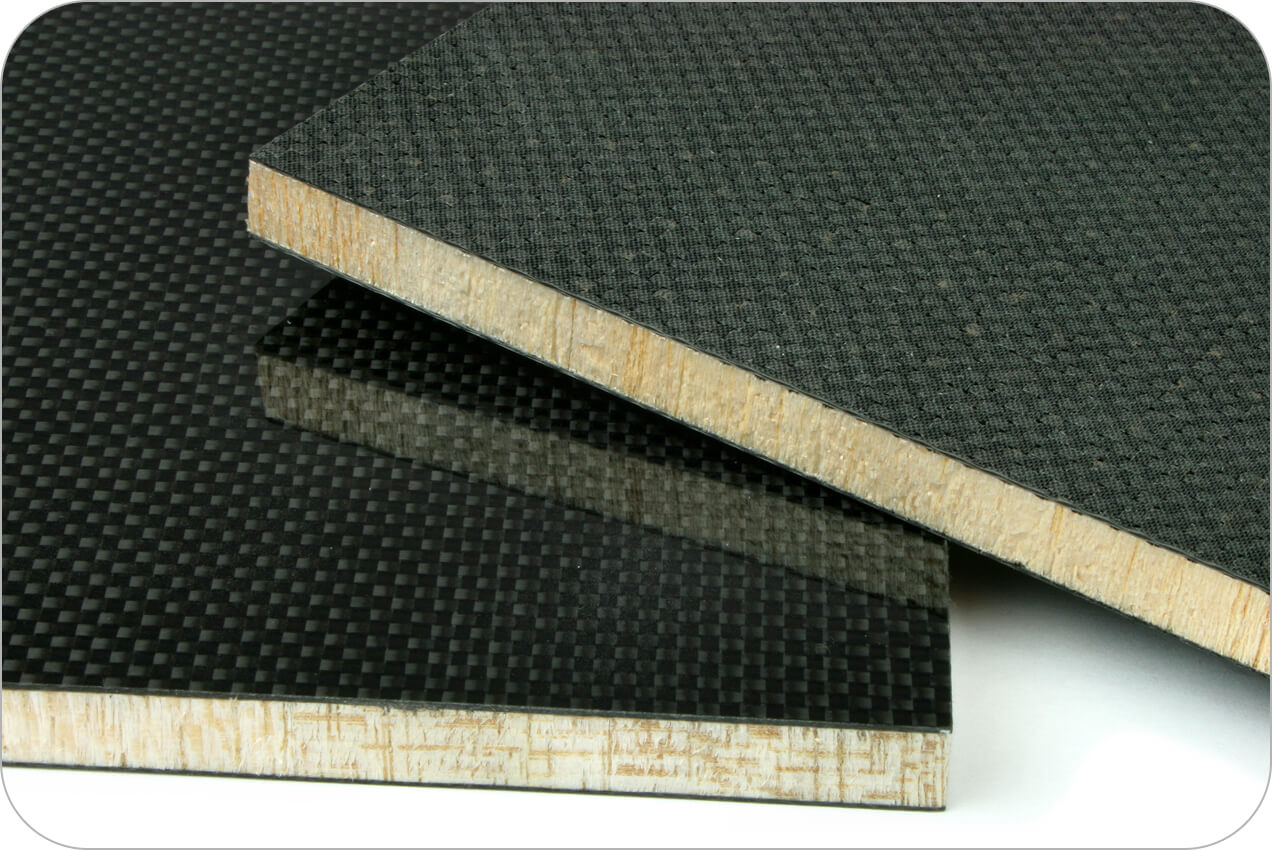
Balsa Wood: Balsa wood, when used as a core material in composite fabrication, offers a very high strength and stiffness to weight ratio. End grain balsa provides exceptionally high shear, tensile and compressive strengths for its weight. Balsa is also a renewable resource, with typical balsa trees maturing to 90 feet in seven years.

Birch Plywood: Birch plywood is higher density than balsa wood, providing a durable final product with excellent compressive strength, resistance to local crushing, and machinability.

Shop Carbon Fiber Products

© 2025 Element 6 Composites. All Rights Reserved