
Frequently Asked Questions

Carbon Fiber Fabrication Processes

What are the main methods used for carbon fiber composite fabrication?

The main methods for carbon fiber composite fabrication include open molding (hand layup and spray-up), resin-infused processes (resin-transfer molding and vacuum-assisted resin transfer molding), high-volume molding (compression molding, injection molding, tube rolling, filament winding, pultrusion, automated fiber placement, automated tape laying), and additive manufacturing (3D printing). Each method is suited to different applications, budgets, and production volumes. Source

How does open molding work for carbon fiber composites?

Open molding involves placing carbon fiber materials into a mold, either by hand layup or spray-up. Hand layup uses layers of dry fabric or prepreg sheets, while spray-up involves spraying catalyzed resin and chopped fibers into the mold. This process is commonly used for fiberglass and can be adapted for carbon fiber composites. Source

What is hand layup and vacuum bagging in carbon fiber fabrication?

Hand layup involves manually placing layers of carbon fiber fabric or prepreg sheets onto a mold, applying resin between each ply, and consolidating the stack with rollers or vacuum bagging. Vacuum bagging removes air and compresses the layers, improving part strength and reducing voids. Source

What are resin-infused carbon fiber fabrication processes?

Resin-infused processes include resin-transfer molding (RTM) and vacuum-assisted resin transfer molding (VARTM). RTM uses a closed mold and pumps resin under pressure, while VARTM draws resin into the mold using vacuum. These methods reduce VOCs and enable faster, more automated production. Source

How does compression molding differ from injection molding for carbon fiber?

Compression molding uses sheet molding compound (SMC) placed on heated steel dies, then clamped and pressed under high pressure. Injection molding uses a ram or screw-type plunger to inject material into a heated closed mold. Compression molding is suited for high-volume production with durable tools, while injection molding is faster and often used for thermoplastics. Source

What additive manufacturing methods are used for carbon fiber composites?

Additive manufacturing, or 3D printing, uses CAD models and proprietary software to create 3D objects from 2D cross-sectional layers. Methods include stereolithography (SLA), fused deposition modeling (FDM), selective laser sintering (SLS), digital light processing (DLP), and PolyJet printing. FDM is most commonly used for fiber-reinforced plastics, including carbon fiber. Source

How do you choose the best carbon fiber fabrication method for your project?

The best method depends on part volume, budget, material requirements, and application. Some methods are suitable for DIY, while others require professional fabrication. Understanding the variety of methods helps determine the optimal process for your needs. Source

Can carbon fiber fabrication be done as a DIY project?

Some carbon fiber fabrication methods, such as hand layup, lend themselves to DIY projects, while others require specialized equipment and professional expertise. The complexity and safety requirements should be considered before attempting DIY fabrication. Source

What are the safety considerations for carbon fiber fabrication?

Safety considerations include minimizing exposure to VOCs, using proper protective equipment during cutting, sanding, and machining, and ensuring adequate ventilation. Regulatory requirements may also apply, especially for processes involving hazardous materials. Source

What is the role of CAD models in additive manufacturing of carbon fiber?

CAD models are essential in additive manufacturing, as they provide the digital blueprint for slicing and printing 3D objects. Proprietary software converts the CAD model into 2D cross-sectional layers, guiding the printer in building the part. Source

What are the advantages of vacuum-assisted resin transfer molding (VARTM)?

VARTM allows for the creation of larger, more complex parts at lower cost due to less expensive tooling. It uses vacuum to draw resin into the mold, eliminating the need for high pressure or heat. Source

What is the purpose of debulking in hand layup carbon fiber fabrication?

Debulking consolidates the laminate stack and removes air trapped between layers, which can cause voids and weaken the part. It is typically done with hand rollers or vacuum bagging. Source

How do regulations impact carbon fiber fabrication processes?

Increasing regulations in the US and EU limit worker exposure to hazardous air pollutants, driving improvements in fabrication processes to reduce VOCs and enhance safety. Automated and resin-infused methods help meet these regulatory requirements. Source

What is the role of automated fiber placement (AFP) and automated tape laying (ATL) in carbon fiber fabrication?

AFP and ATL are high-volume molding methods that automate the placement of fibers or tapes, improving production speed and consistency for complex carbon fiber parts. Source

What is the typical application for 3D printing in carbon fiber fabrication?

3D printing is usually reserved for prototype tooling, allowing parts to be quickly produced for evaluation of form, fit, and testing before full-scale manufacturing. Source

How does production volume affect the choice of carbon fiber fabrication method?

High-volume production favors methods like compression molding, injection molding, and automated processes, while low-volume or custom parts may use hand layup, vacuum bagging, or resin-infused methods. Source

What factors should be considered when selecting a carbon fiber fabrication process?

Key factors include material compatibility, part design complexity, application requirements, production volume, budget, and regulatory compliance. Source

Are there any guides or resources for understanding carbon fiber fabrication?

Yes, Allred & Associates provides technical resources such as the Ultimate Guide to Carbon Fiber Design and Application, What is Carbon Fiber?, Composite Materials, Computational Analysis, Carbon Fiber Glossary, and downloadable CAD models. Ultimate Guide

Features & Capabilities

What features make Allred & Associates' carbon fiber products stand out?

Allred & Associates' products feature high strength-to-weight ratios, durability, corrosion resistance, regulatory compliance, advanced engineering with Finite Element Analysis (FEA), and custom solutions tailored to specific industry needs. Source

Does Allred & Associates offer custom carbon fiber fabrication?

Yes, custom fabrication services are available, including CNC cutting, prototyping, custom sheet sizes, laminate schedules, and specialized components like braided tubes and truss structures. Source

What engineering tools are used to optimize carbon fiber designs?

Allred & Associates uses advanced simulation tools such as Finite Element Analysis (FEA) to optimize designs, reduce material waste, and improve manufacturing efficiency. Source

Are Allred & Associates' products ISO certified?

Yes, Allred & Associates operates an ISO 9001:2015-certified facility, ensuring high-quality production standards. Source

Pricing & Plans

How is pricing determined for Allred & Associates' carbon fiber products?

Pricing for standard products is transparent and listed on the DragonPlate website. Custom projects are priced based on material preferences, dimensions, tolerances, and performance criteria, ensuring customers only pay for what they need. Source

Where can I find pricing for standard carbon fiber products?

Pricing for standard products is available on the DragonPlate website, allowing customers to review costs upfront. Source

Use Cases & Benefits

What industries benefit from Allred & Associates' carbon fiber solutions?

Industries served include aerospace, defense, medical devices, robotics, industrial equipment, and the music industry. Solutions are tailored to meet the unique requirements of each sector. Source

Can you share examples of customer success stories?

Yes, notable case studies include marine defense enclosures for Frontier Electronic Systems, drone test bed enhancements for Eureka Dynamics, composite chassis for nuclear robotics with International Climbing Machines, high-altitude rockets for student organizations, and lightweight guitar designs for the music industry. Read more

What business impact can customers expect from using Allred & Associates' products?

Customers can expect cost savings, improved efficiency, enhanced product performance, accelerated time-to-market, regulatory compliance, and a competitive edge through tailored, high-performance solutions. Source

Who are some of Allred & Associates' customers?

Customers include Frontier Electronic Systems, Eureka Dynamics, International Climbing Machines, aerospace student organizations, and music industry professionals. Read more

Pain Points & Solutions

What common pain points do customers face in carbon fiber fabrication?

Common pain points include high manufacturing costs, complex processes, localized stress concentrations, regulatory challenges, weight and performance optimization, prototyping and design validation issues, and material handling and safety concerns. Source

How does Allred & Associates address high manufacturing costs?

Allred & Associates uses Finite Element Analysis (FEA) to optimize designs, reduce material waste, and improve manufacturing efficiency, resulting in cost-effective production. Source

How are complex manufacturing processes simplified?

Allred & Associates offers end-to-end services, including design, prototyping, and manufacturing, eliminating the need for multiple vendors and ensuring precision and quality at every stage. Source

How does Allred & Associates help with regulatory compliance?

For medical and defense industries, Allred & Associates provides biocompatible and radiolucent materials tailored to meet stringent regulatory standards, reducing delays and ensuring compliance. Source

Competition & Comparison

How does Allred & Associates compare to other carbon fiber fabricators?

Allred & Associates differentiates itself by offering advanced simulation tools (FEA), end-to-end services, customization, regulatory compliance expertise, high-quality prototyping, and ISO 9001:2015 certification. These strengths address specific industry needs and pain points more effectively than generic alternatives. Source

What advantages does Allred & Associates offer for aerospace and defense applications?

For aerospace and defense, Allred & Associates provides lightweight, high-strength materials optimized for demanding environments, advanced simulation for stress management, and compliance with industry standards. Source

Support & Implementation

How easy is it to start a project with Allred & Associates?

Customers can upload drawings or requirements for a free design review, access prototyping services, and communicate directly with the team for personalized support. End-to-end services ensure a smooth and efficient start. Contact

What technical documentation is available for carbon fiber fabrication?

Technical resources include guides on carbon fiber design and application, composite materials, computational analysis, glossaries, and downloadable CAD models. Guide

Various Carbon Fiber Composite Fabrication Processes
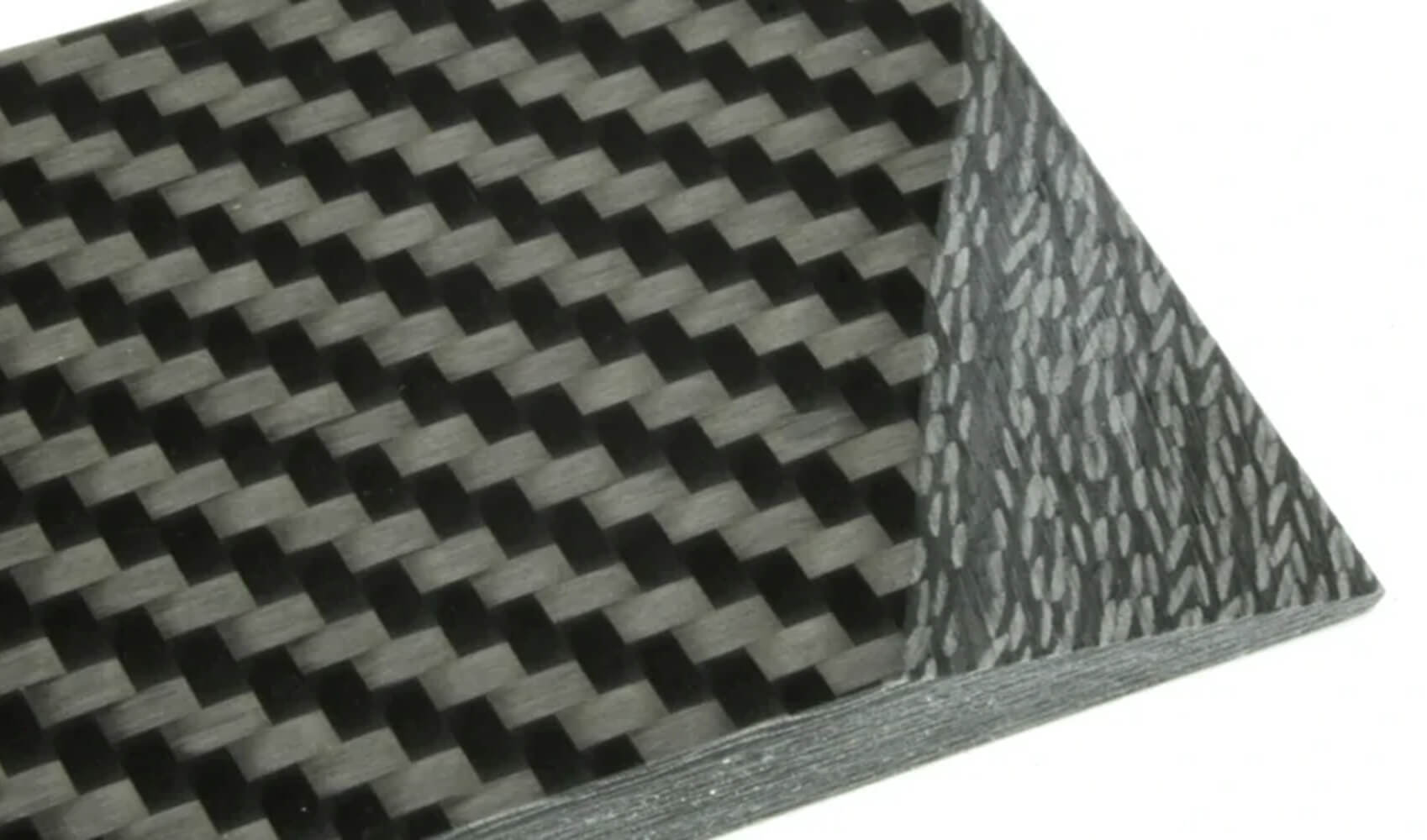
There are multiple processes available for producing carbon fiber parts. Some processes, such as injection molding, are used with a range of materials, while some are more specific to carbon fiber composites. Which process you choose depends on the specific composite materials involved, details of part design, and the application. The available budget and production volume should also factor into the decision.

Most carbon fiber fabrication involves some type of molding to form the carbon fiber composite into the required shape needed for the final application. The processes for composite molding can vary in both tooling and complexity.

Fabrication Methods

Open Molding

Open molding is a common process often used for fiberglass composite fabrication. Open molding can be done with hand layup, or alternatively by spray-up, a semi-automated alternative. The spray-up process involves spraying catalyzed resin and fiber into the mold, by blowing chopped fibers directly into the sprayed resin stream, so that the materials are applied to the mold simultaneously. 

Hand Layup and Vacuum Bagging

Hand layup involves placing layers, or plies, of either dry carbon fiber fabric or prepreg sheets by hand onto a mold to form a laminate stack. Resin is applied between each ply for dry fabric and then the layers are debulked with hand rollers or by using a vacuum-bagging technique. Debulking consolidates the layup and removes air trapped between the layers which can cause voids and weaken the part.

Resin-Infused Carbon Fiber Fabrication

While steps are taken in the spray-up process to reduce VOCs, increasing regulations in the US and EU limiting worker exposure to hazardous air pollutants have created a need for improvement in this area. Additionally, the demand for faster production has driven the development of more automated carbon fiber fabrication processes. There are several types of resin-infused carbon fabrication processes available.

Resin-transfer molding (RTM) Involves using a two-part, matched closed mold, typically made of either metal or composite material. Dry reinforcement is placed into the mold and the mold is closed. Low-viscosity resin is measured and mixed, then pumped into the mold under low or moderate pressure through injection ports. 

Vacuum-assisted resin transfer molding (VARTM) involves drawing the resin into the mold using only a vacuum, as opposed to being pumped under pressure. Neither high pressure nor heat are needed for this carbon fiber fabrication process. Larger, more complex parts can be created less expensively this way due to the lower cost of the tooling needed for the VARTM process.

High-Volume Molding Methods

For high production quantities, a high-volume thermoset molding process called compression molding has often been used. This process typically uses expensive but durable metal tools. Sheet molding compound (SMC), a composite material typically made of chopped fibers sandwiched between sheets of thick resin paste, is placed on a set of steel dies. Once the SMC is ready for molding, it is assembled on a heated mold, which is then closed and clamped before high pressure is applied. As the viscosity of the material lowers, the SMC flows to fill the mold cavity.

Perhaps the most commonly known molding process, injection molding, is a quick, high-pressure, low-volume, closed process. It is most often used with thermoplastics, but automated injection molding of bulk molding compounds (BMC) has become more common over the decades. The BMC injection molding process involves a ram or screw-type plunger forcing a measured amount of material through a heated barrel to inject it into a heated closed mold.

There are a number of other high-volume molding methods for carbon fabrication that involve combinations of these two processes or other, similar processes. Some examples of other high-volume molding methods include tube rolling,  filament winding, pultrusion, automated fiber placement (AFP), and automated tape laying (ATL).

Additive Manufacturing

Additive manufacturing, or 3D printing, is an automated process that creates a 3D object from a series of 2D, cross-sectional layers. Additive manufacturing techniques always begin with computer-aided drafting (CAD) solid models. Proprietary software is then used to slice the model into thin 2D cross-sectional patterns which tell the 3D printer how to stack the 2D slices to create a physical 3D part.

3D printing makes use of a number of different materials these days, based on the specifications of the 3D printer being used. Additive manufacturing methods commonly used today are stereolithography (SLA), fused deposition modeling (FDM), selective laser sintering (SLS), digital light processing (DLP), and PolyJet printing. FDM is the method most commonly used for fiber-reinforced plastics, making it the best choice for carbon fiber fabrication. Regardless of the method used, 3D printing is a method usually reserved for prototype tooling, allowing a part to be quickly available for the evaluation of form, fit, and occasionally testing.

The best method for carbon fiber fabrication for your project depends heavily on the volume of parts to be fabricated, your budget, and what the final application for your parts will be. Some carbon fiber fabrication methods lend themselves to DIY, while others require hiring a professional carbon fiber fabricator. Knowing the variety of carbon fabrication methods available makes it easier to determine the best method for your application.

View All Articles

Carbon Fiber Specialists​

© 2025 Element 6 Composites. All Rights Reserved