


Frequently Asked Questions
Product Information
What are carbon fiber trusses and beams from Element 6 Composites?
Carbon fiber trusses and beams from Element 6 Composites are lightweight, high-strength structural components designed as alternatives to traditional materials like steel, aluminum, and fiberglass. They are engineered for applications requiring minimum weight and maximum stiffness and strength, such as robotics, UAVs, and portable structures.
What construction methods are available for carbon fiber trusses?
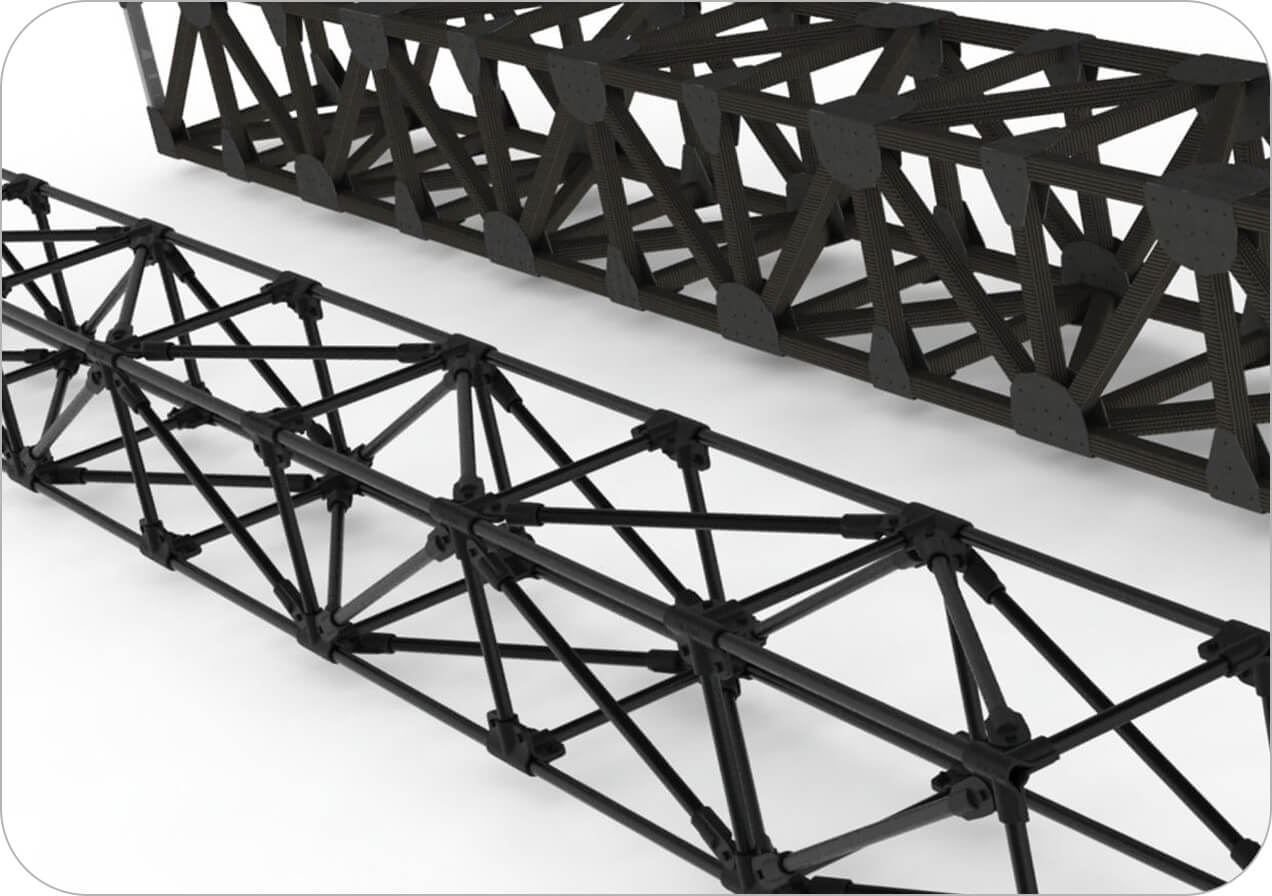
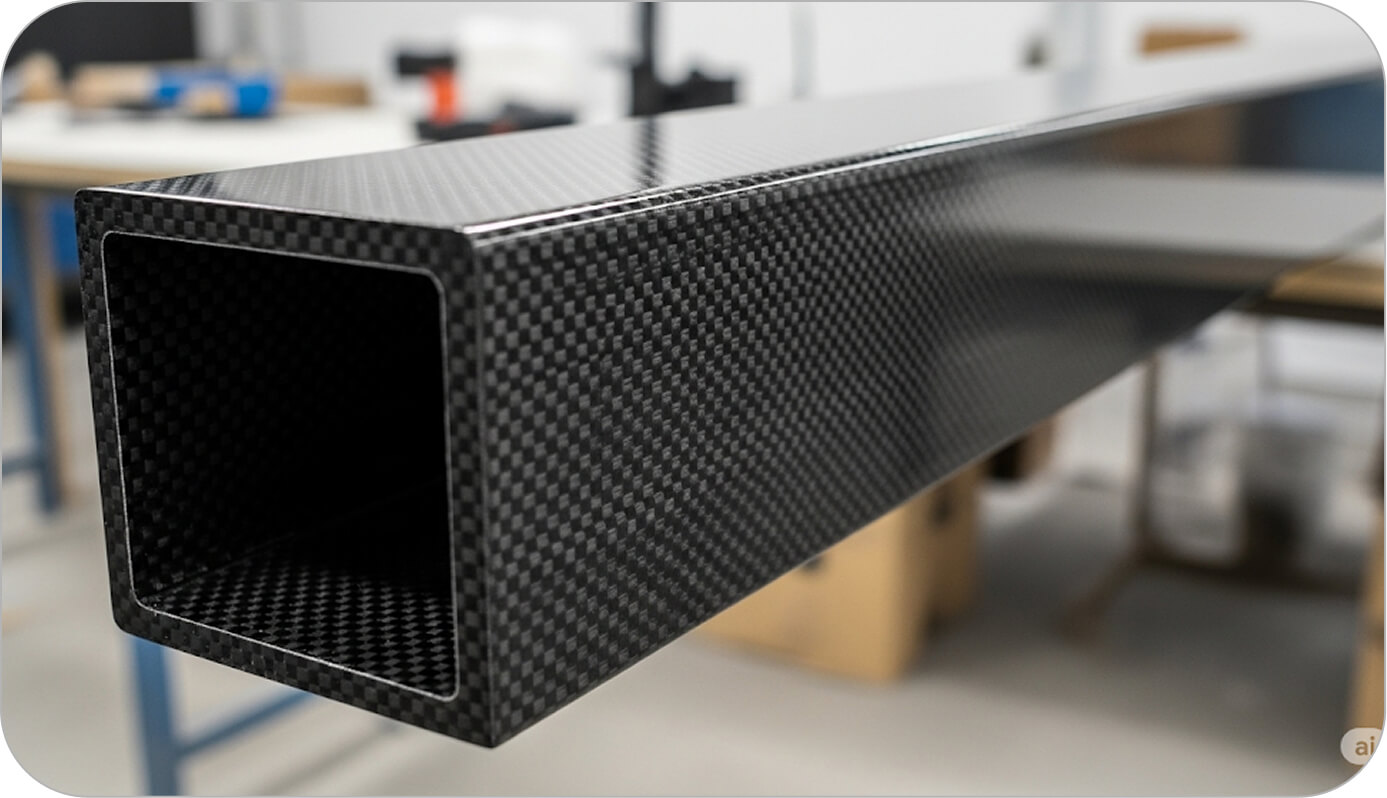
Element 6 Composites offers two main construction methods: (1) using square tubes and gussets for high strength and customization, and (2) using patented connectors with pultruded round carbon fiber tubes for extremely low weight and versatile assembly options.
How customizable are Element 6 Composites' carbon fiber trusses and beams?
Trusses and beams can be customized in terms of tube dimensions (from 3/4”x3/4” to 2”x4” and larger), wall thickness, gusset geometry, layup schedules, and material combinations. Customization ensures the structure meets specific strength, stiffness, and weight requirements for each application.
What is the typical weight and load capacity of your carbon fiber trusses?
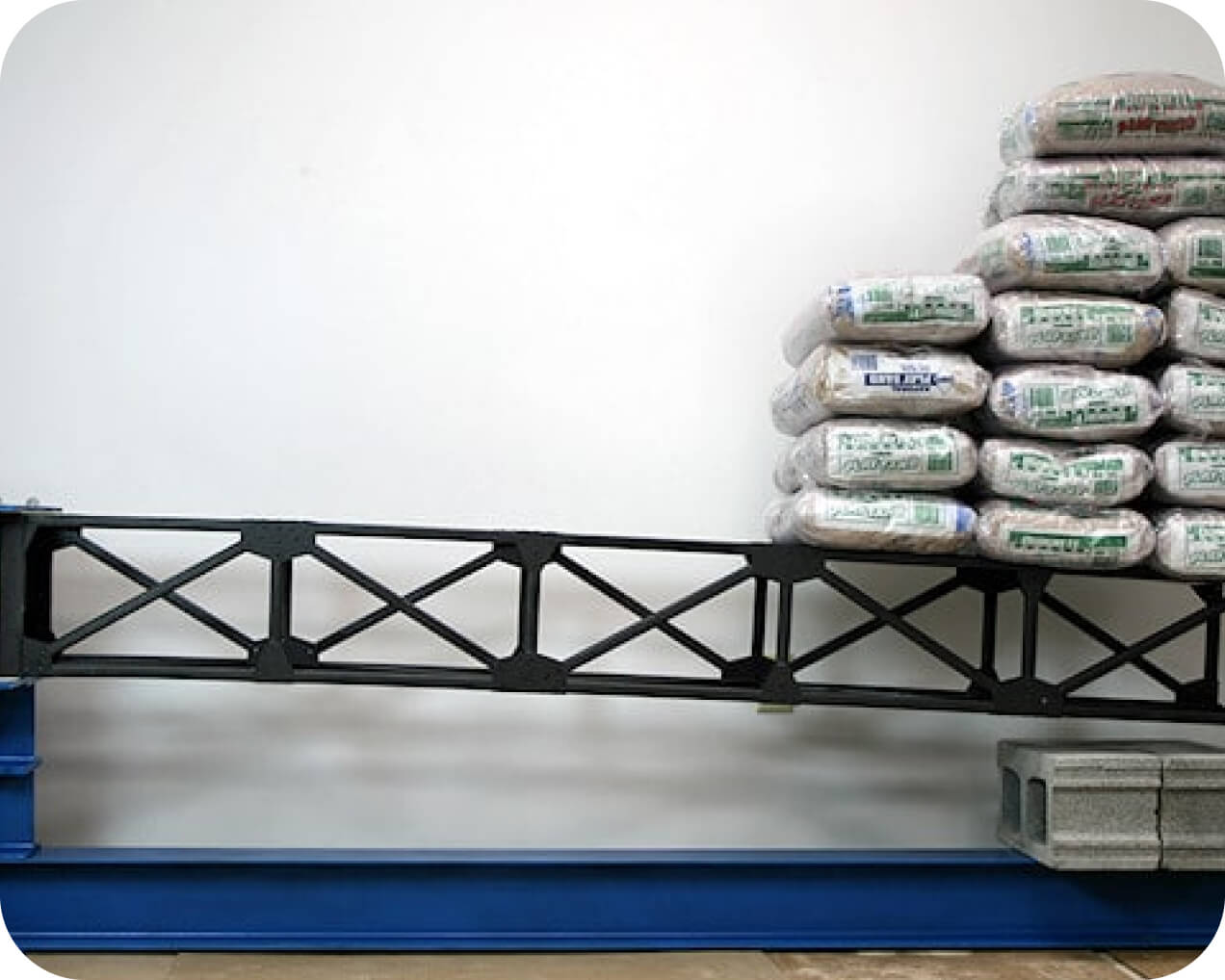
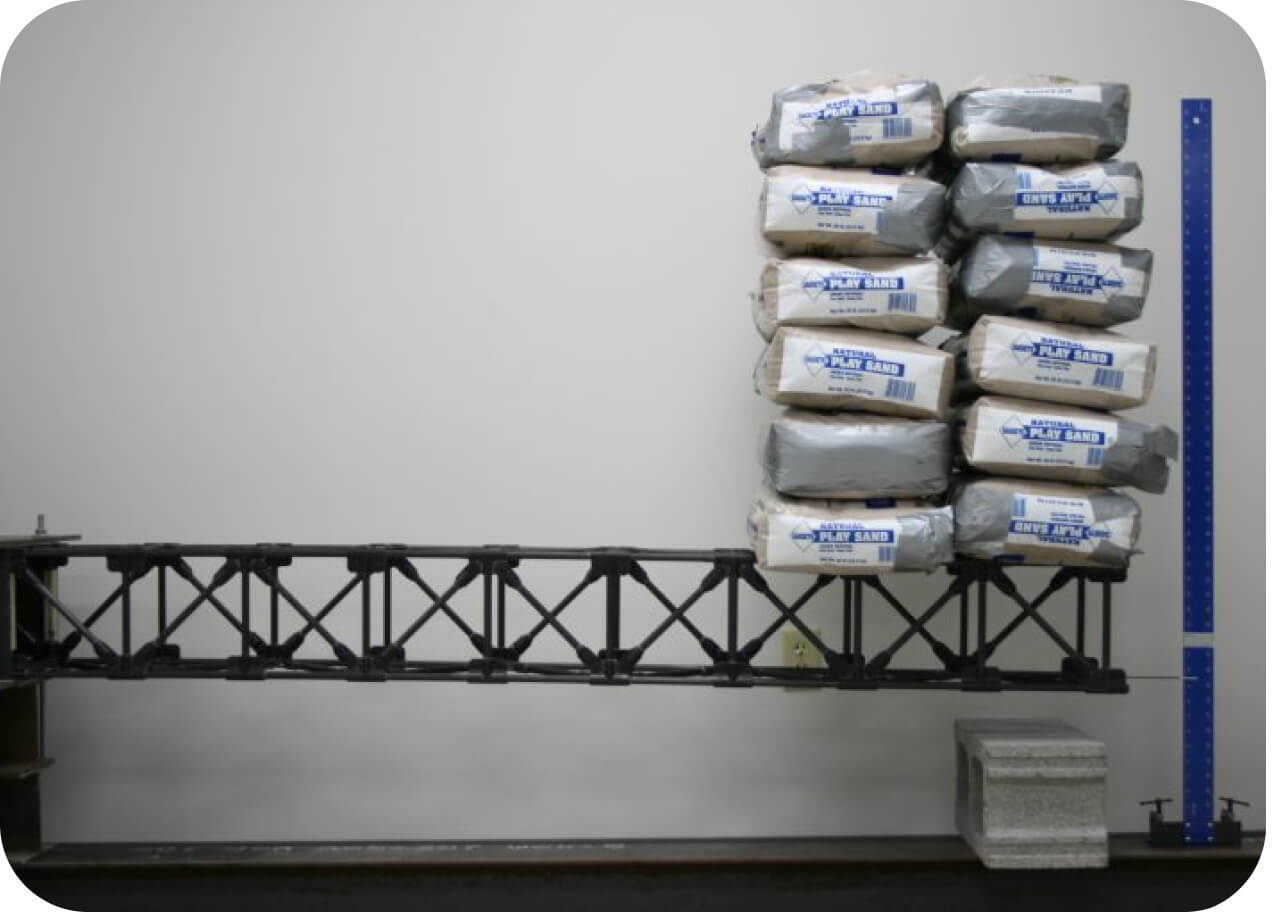
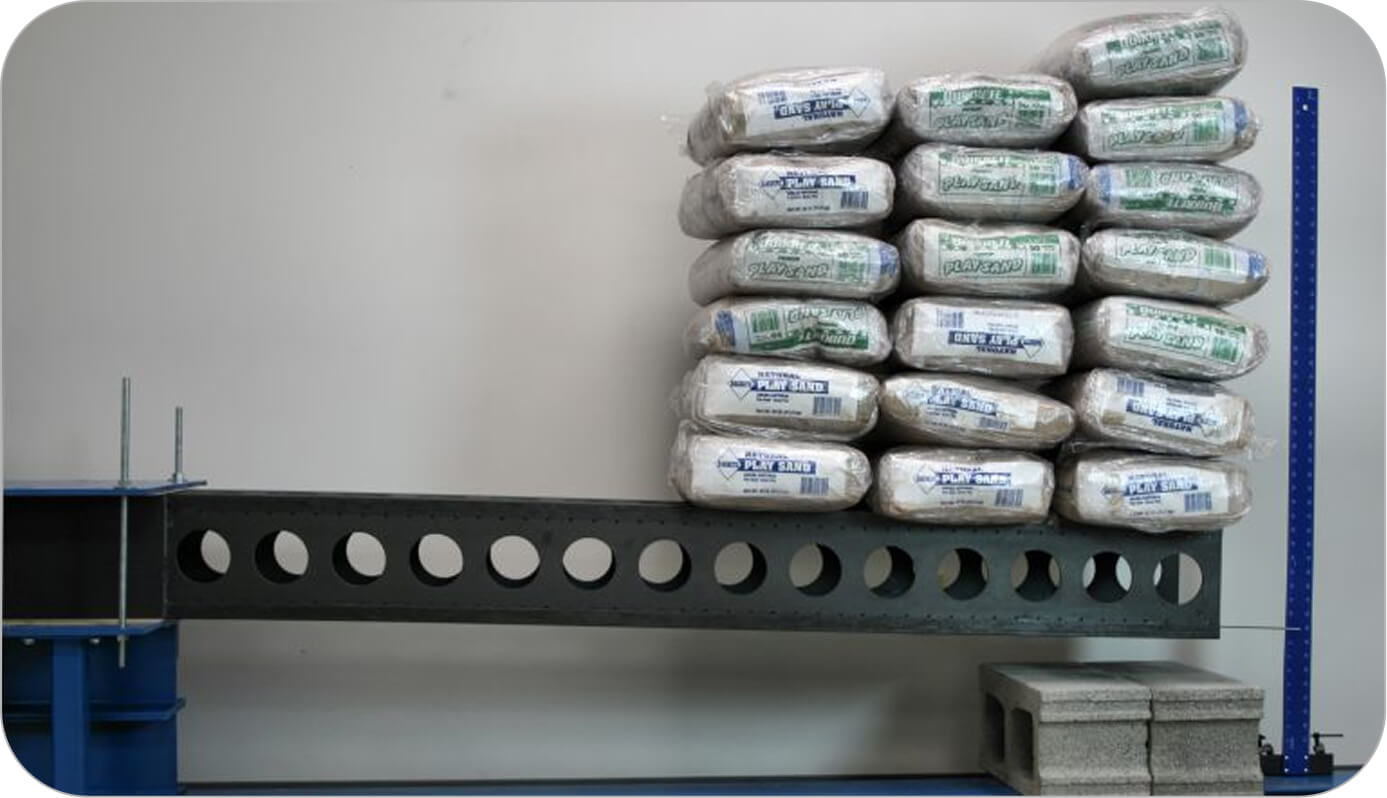
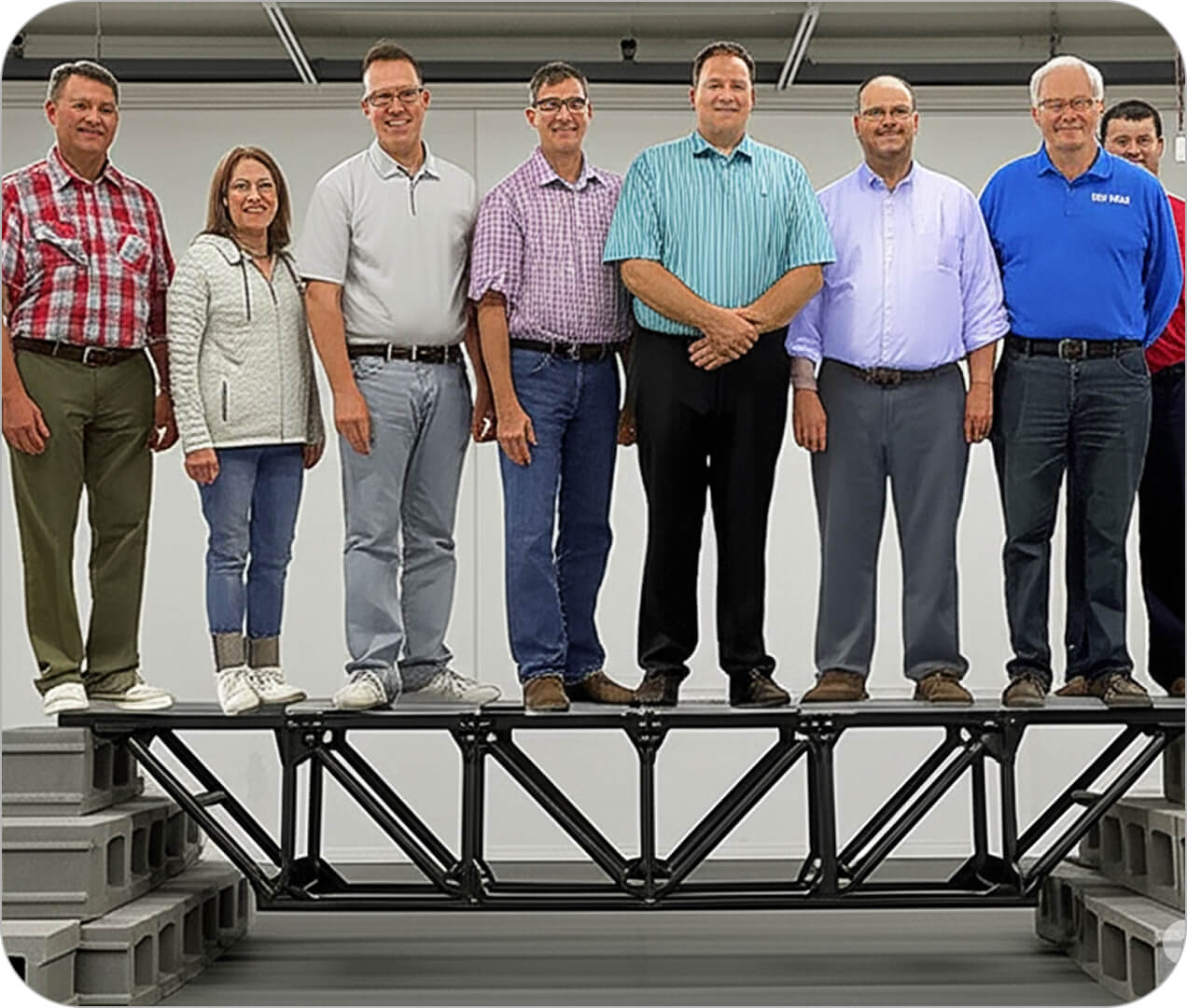
For example, a carbon fiber truss made from 3/4” x 3/4” tubes and gussets weighs only 6 pounds and withstood a cantilever test load of 800 pounds without breaking. Pultruded carbon fiber trusses have held over 500 pounds in cantilever load tests.
What engineering tools are used to optimize carbon fiber truss and beam designs?
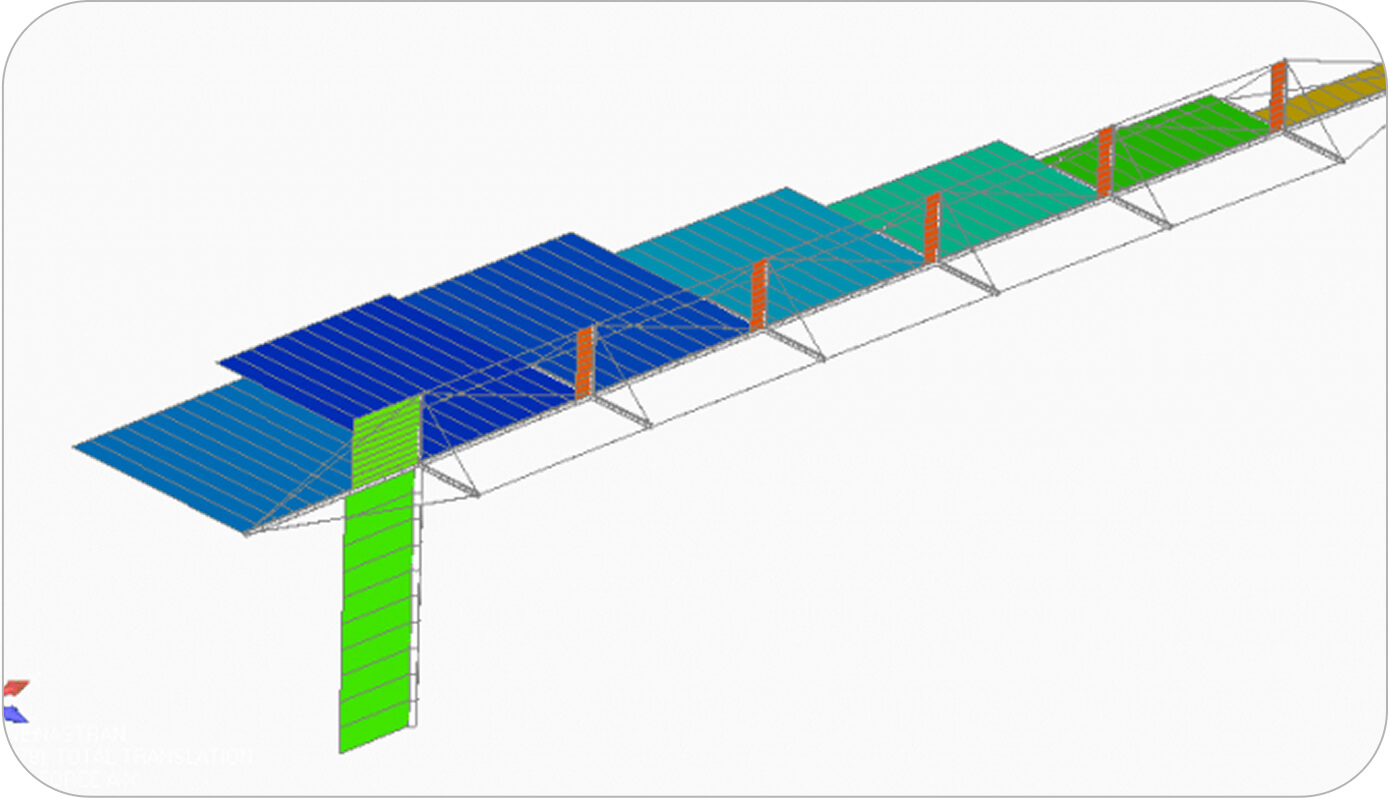
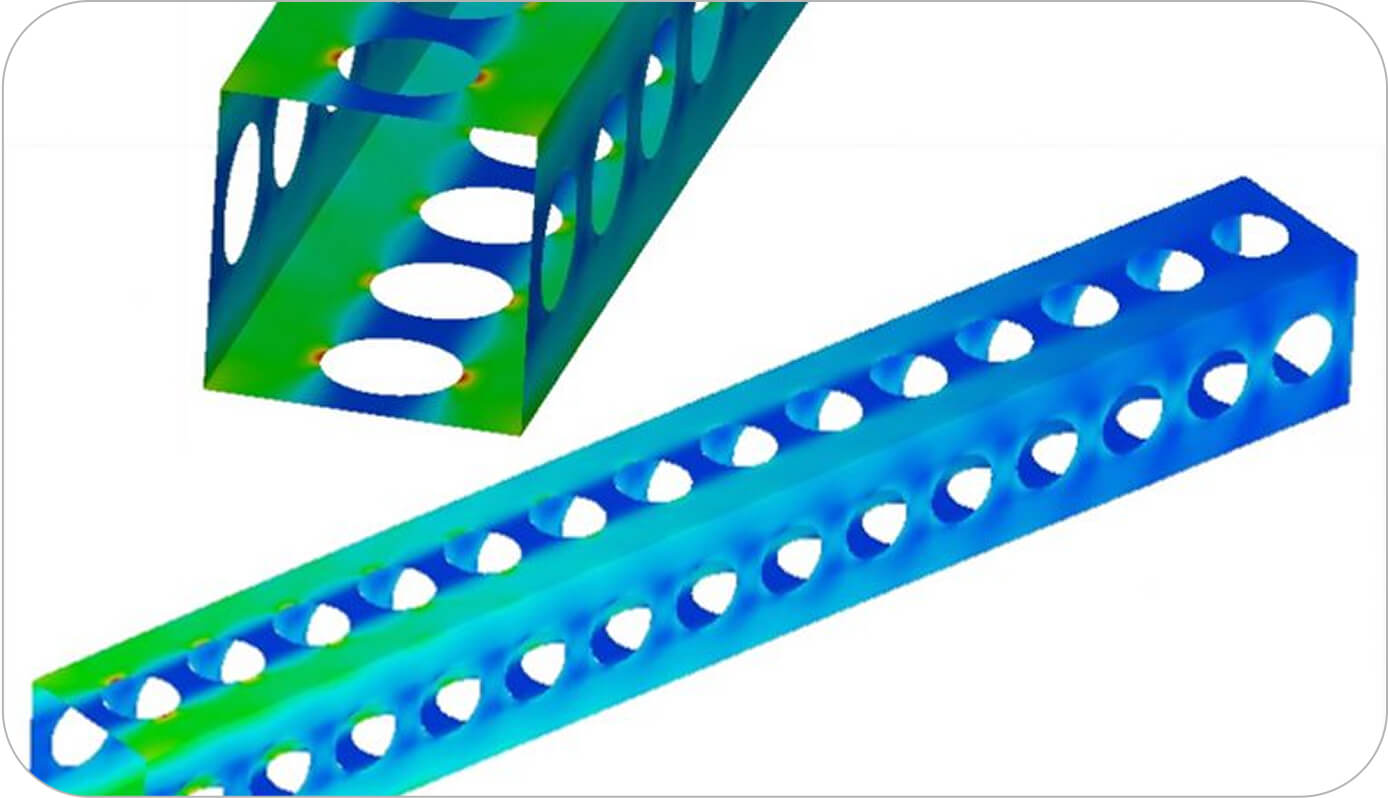
Element 6 Composites uses Nastran Finite Element Analysis (FEA) and proprietary fabrication processes to optimize structures for minimum weight while maintaining required strength and stiffness. FEA is also used to validate designs through simulation and experimental testing.
Can Element 6 Composites assist with both design and fabrication?
Yes, Element 6 Composites specializes in both the design and fabrication of carbon fiber trusses and beams. They can support customers through design, prototyping, and both low- and high-volume production phases.
What are the main applications for carbon fiber trusses and beams?
Applications include robotic support structures, end-effectors, cantilevered beams in high-speed or portable applications, tradeshow booths, unmanned vehicle frames, and any use case requiring minimum weight and high stiffness/strength.
How does the assembly process work for pultruded carbon fiber trusses?
Pultruded carbon fiber trusses use patented connectors and round tubes, allowing for versatile combinations of lengths and angles. Many customers can assemble the final structure in-house after working with Element 6 Composites on design and prototyping.
What is the process for optimizing a carbon fiber beam for a specific application?
Optimization involves several rounds of analytical and finite element analyses, selective carbon fiber placement, and custom hole patterns to achieve minimum weight while meeting all strength specifications. Experimental testing is used to validate the final design.
Can off-the-shelf components be used for custom carbon fiber structures?
Yes, small box beams and other components can be built from off-the-shelf DragonPlate parts, providing a cost-effective and rapid solution for custom applications such as wing spars for unmanned airplanes.
Features & Capabilities
What are the key performance benefits of Element 6 Composites' carbon fiber trusses and beams?
Key benefits include a high strength-to-weight ratio, durability, corrosion resistance, and the ability to maintain performance under high stress and extreme conditions. Advanced simulation tools ensure optimized designs and cost-effective production.
How does Element 6 Composites ensure regulatory compliance for its products?
Products are tailored to meet stringent industry standards, including biocompatibility and radiolucency for medical applications, ensuring safe and effective use in regulated industries.
What engineering and manufacturing capabilities does Element 6 Composites offer?
Capabilities include Solidworks CAD design, Nastran FEA, Mastercam CNC tool path design, prototyping, in-house tool design, custom sheet sizes, CNC cut parts, custom laminate schedules, and ISO 9001:2015-certified manufacturing.
Does Element 6 Composites provide prototyping and design validation?
Yes, high-quality prototyping services are available to allow customers to test and validate designs before full-scale production, reducing risks and accelerating time-to-market.
What technical documentation and resources are available?
Resources include the Ultimate Guide to Carbon Fiber Design and Application, a carbon fiber glossary, downloadable CAD models, and detailed information on composite materials and computational analysis. These are available on the Element 6 Composites and DragonPlate websites.
What certifications does Element 6 Composites hold?
Element 6 Composites operates an ISO 9001:2015-certified facility, ensuring high-quality production standards and consistent manufacturing processes.
How does Element 6 Composites address localized stress concentrations in composite structures?
Advanced simulation tools and FEA are used to refine designs and eliminate weak points caused by geometry changes, load transfer points, and fastener locations, ensuring reliability and durability in high-stress applications.
What are the material properties of Element 6 Composites' carbon fiber products?
Carbon fiber composites offer high strength-to-weight ratio, high stiffness, low thermal expansion, high chemical resistance, durability, and thermal stability, making them ideal for demanding applications.
Use Cases & Benefits
Who can benefit from using carbon fiber trusses and beams?
Industries such as aerospace, robotics, medical devices, defense, industrial automation, and the music industry can benefit from lightweight, high-strength, and customizable carbon fiber trusses and beams.
What business impact can customers expect from using Element 6 Composites' products?
Customers can expect cost savings through optimized designs, improved product performance, accelerated time-to-market, regulatory compliance, operational efficiency, and risk reduction through advanced simulation and prototyping.
Can you share examples of successful projects using carbon fiber trusses and beams?
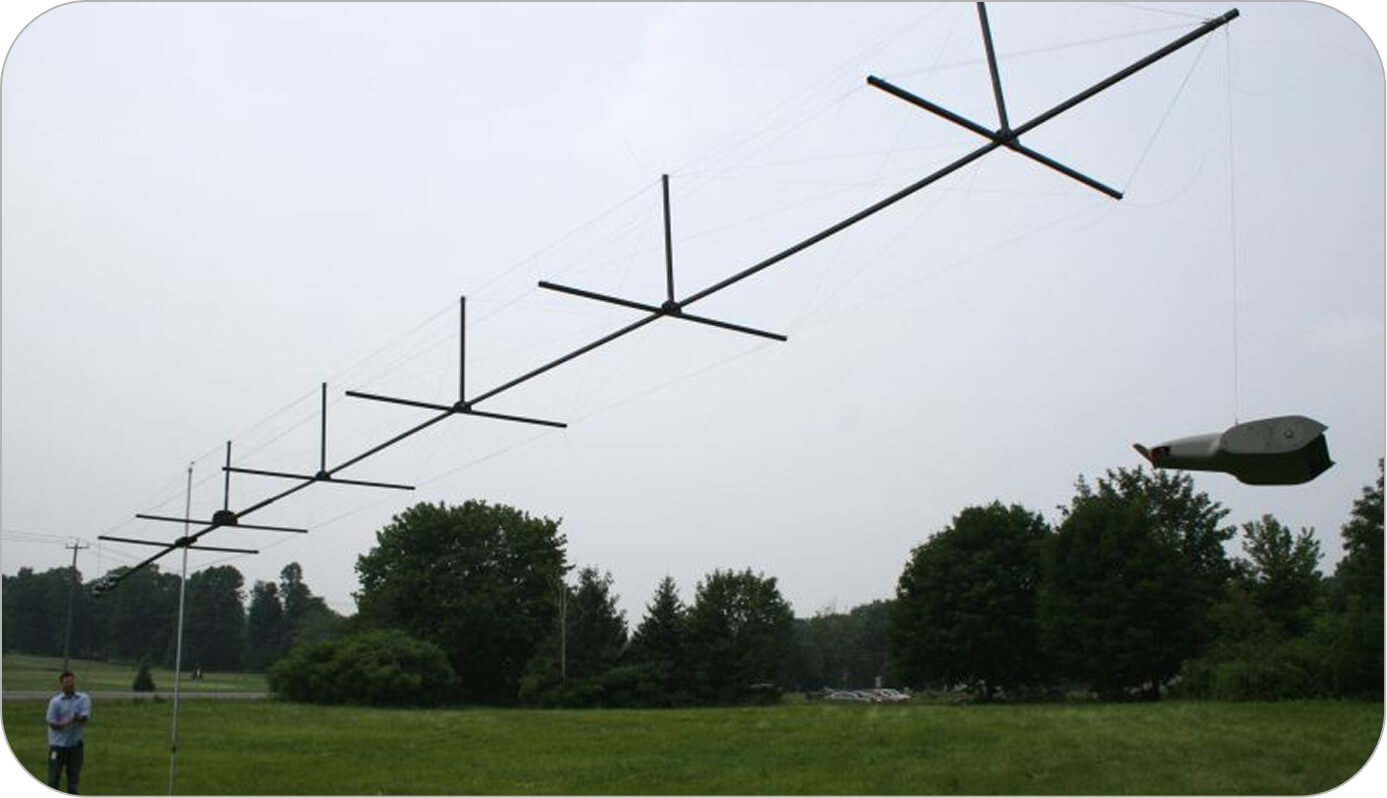
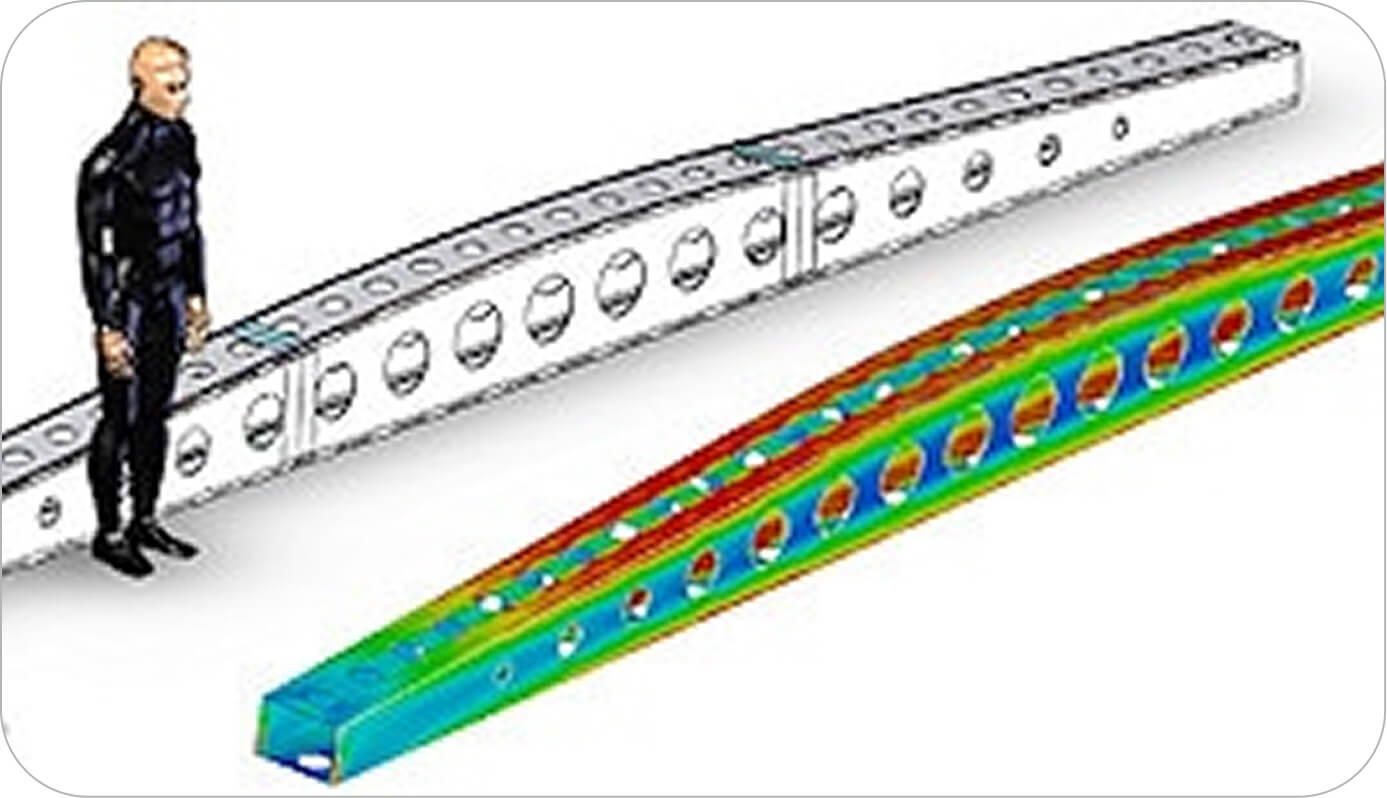
Yes. Notable examples include a 24-foot arched box beam designed for heavy distributed loads, UAV flight test trusses, and small box beams used as wing spars for unmanned airplanes. These projects demonstrate significant weight reduction and high load capacity.
What pain points do carbon fiber trusses and beams help solve?
They address high manufacturing costs, complex manufacturing processes, localized stress concentrations, regulatory challenges, weight and performance optimization, prototyping and design validation issues, and material handling and safety concerns.
How does Element 6 Composites help with weight and performance optimization?
Custom carbon fiber solutions are engineered to reduce weight while maintaining or enhancing performance, using advanced simulation and selective material placement to meet specific application requirements.
Are there case studies demonstrating the resolution of specific pain points?
Yes. For example, the collaboration with Eureka Dynamics addressed high manufacturing costs and prototyping challenges for drone test beds, while the partnership with International Climbing Machines solved stress concentration and manufacturing complexity in wall-climbing robots.
What roles within a company benefit most from Element 6 Composites' solutions?
Mechanical, aerospace, and materials engineers, product designers, project managers, and decision-makers in procurement or technical leadership roles benefit from the tailored, high-performance solutions offered.
How does Element 6 Composites support rapid prototyping and design validation?
By offering prototyping services that allow customers to test and validate designs before full-scale production, reducing risks and accelerating development cycles. This is especially valuable for industries with demanding performance requirements.
Pricing & Plans
How is pricing determined for carbon fiber trusses and beams?
Pricing for standard products is transparently listed on the DragonPlate website. For custom projects, pricing is based on material preferences, dimensions, tolerances, and performance criteria, ensuring customers only pay for what they need.
Are there long-term cost benefits to using carbon fiber trusses and beams?
Yes. The durability, lightweight nature, and superior performance of carbon fiber composites lead to reduced maintenance costs, improved efficiency, and long-term savings for customers.
Where can I find pricing for standard carbon fiber products?
Pricing for standard products is available on the DragonPlate website (dragonplate.com), allowing customers to review costs upfront.
How do I request a custom quote for my project?
You can request a custom quote by contacting Element 6 Composites through their website or by submitting your project details for a free design review. This ensures your requirements are fully understood before pricing is provided.
Support & Implementation
How easy is it to start a project with Element 6 Composites?
Starting is simple: customers can upload drawings or requirements for a free design review, discuss their needs directly with the team, and access prototyping services to validate concepts before full-scale production.
What is the typical implementation timeline for a custom carbon fiber truss or beam?
The timeline depends on project complexity, but the process is streamlined through design review, prototyping, and direct communication, ensuring efficient project kickoff and minimized delays.
What support resources are available during the project?
Customers have access to direct communication with engineers, technical documentation, prototyping services, and ongoing support throughout the design and manufacturing process.
Can Element 6 Composites help with both low- and high-volume production?
Yes, Element 6 Composites supports both low- and high-volume production, ensuring scalability for projects of any size.
What safety measures are recommended for handling carbon fiber components?
Proper safety measures and personal protective equipment are recommended during fabrication processes such as cutting and sanding to minimize risks like dust, debris, and contamination.
Competition & Comparison
How does Element 6 Composites differ from competitors in the carbon fiber market?
Element 6 Composites stands out by offering advanced simulation tools (FEA), end-to-end services (design, prototyping, manufacturing), tailored solutions for weight and performance optimization, regulatory compliance, and ISO 9001:2015-certified manufacturing—all under one roof.
What advantages does Element 6 Composites offer for different industries?
For aerospace and defense, the focus is on weight reduction and durability; for medical devices, biocompatibility and radiolucency; for robotics, lightweight and strong components; for industrial automation, corrosion resistance; and for the music industry, improved sound quality and durability.
Why choose Element 6 Composites over other carbon fiber solution providers?
Element 6 Composites provides cost efficiency through design optimization, comprehensive end-to-end services, advanced simulation, regulatory compliance, and rapid prototyping, ensuring high performance and tailored solutions for each sector.
How does Element 6 Composites address pain points differently than competitors?
By leveraging FEA for design optimization, offering seamless end-to-end services, providing specialized materials for regulatory compliance, and focusing on safety and risk reduction, Element 6 Composites delivers a holistic and innovative approach that many competitors lack.