
Frequently Asked Questions

Product Features & Capabilities

What makes carbon fiber composites ideal for medical equipment?

Carbon fiber composites are favored in medical equipment due to their high strength-to-weight ratio, mechanical strength, low weight, and excellent durability. Their non-magnetic qualities reduce interference with diagnostic imaging like MRI, and their chemical resistance allows them to withstand repeated sterilization and exposure to bodily fluids. These properties make them superior to traditional materials like stainless steel for many medical applications.

How do carbon fiber composites achieve high biocompatibility for medical use?

Carbon fiber composites have been shown to generate no cellular toxicity in in-vitro studies and only a non-specific foreign body reaction in animal studies. Their elastic modulus is close to that of bone, making them especially suitable for bone implant devices and reducing stress concentrations at the bone-implant interface. This biocompatibility is a key reason for their use in orthopedic and reconstructive applications. Source

What is radiolucency and why is it important in medical composites?

Radiolucency refers to the property of a material that allows electromagnetic radiation, such as X-rays, to pass through with minimal absorption. Carbon fiber composites are radiolucent and non-magnetic, making them ideal for use in and around imaging equipment. This property ensures that implants and support structures do not interfere with X-ray or MRI imaging, allowing for clearer diagnostic images and more effective treatment planning. Source

How do carbon fiber composites compare to metals like stainless steel or titanium in medical applications?

Carbon fiber composites offer a high strength-to-weight ratio, high stiffness, and chemical resistance, making them lighter and often more durable than metals like stainless steel or titanium. Their elastic modulus is closer to bone, reducing stress concentrations and improving implant integration. Additionally, their radiolucency avoids imaging artifacts common with metal implants. Source

What are the mechanical properties of carbon fiber composites relevant to medical devices?

Carbon fiber composites provide high tensile, compressive, and shear strength, as well as high stiffness and low weight. They are also chemically inert, corrosion-resistant, and can be engineered for biocompatibility. These properties make them suitable for demanding medical applications such as implants, surgical tools, and mobility devices. Source

Are carbon fiber composites resistant to sterilization and bodily fluids?

Yes, carbon fiber composites are highly resistant to repeated high-temperature sterilization and are unreactive to bodily fluids. This makes them ideal for medical devices that require frequent cleaning and exposure to harsh environments. Source

What is the fatigue life of carbon fiber composites in medical implants?

Carbon fiber composites can withstand higher strain loading and fatigue life than traditional implant materials, with studies showing up to one million cycles in some cases. This durability is crucial for long-term implant performance. Reference: Journal of Materials Research and Technology, 2022

How do carbon fiber composites minimize weight in medical devices?

Carbon fiber composites are significantly lighter than metals while maintaining high stiffness and strength. This weight reduction is especially beneficial in prosthetics, surgical tools, and robotic arms, making devices easier to use and improving patient comfort and surgical precision. Source

What types of medical devices commonly use carbon fiber composites?

Common applications include prosthetic devices, surgical instruments, orthopedic stabilization plates, bone implants, dental and maxillofacial implants, patient support structures for imaging machines, and robotic surgery tools. Their properties make them suitable for both external and implantable medical devices. Source

How do carbon fiber composites improve imaging and radiotherapy outcomes?

Because carbon fiber composites are radiolucent and non-magnetic, they do not interfere with X-ray, CT, or MRI imaging. This allows for clearer images and more accurate radiotherapy dosing, as the material does not scatter radiation or obscure anatomical details. Source

Use Cases & Applications

What are the main medical applications for carbon fiber composites?

Carbon fiber composites are used in prosthetics, orthopedic implants, surgical tools, dental and maxillofacial implants, patient positioning devices for imaging, and robotic surgery components. Their lightweight, strength, and radiolucency make them valuable in both external and implantable devices. Source

How are carbon fiber composites used in orthopedic stabilization?

Carbon fiber composites are used to create bone implant devices, such as plates for orthopedic stabilization after tumor removal or fracture repair. Unlike metal implants, carbon fiber plates do not interfere with post-surgery radiotherapy or imaging, allowing surgeons to monitor healing and target treatments more effectively. Source

Why are carbon fiber composites preferred for prosthetic devices?

The high strength-to-weight ratio and chemical resistance of carbon fiber composites make them ideal for prosthetic devices. They are often used for custom mounts and sockets, providing comfort and durability while minimizing weight for the user. Source

How do carbon fiber composites benefit surgical and robotic tools?

Carbon fiber composites allow for the production of lighter, stiffer surgical tools and robotic arms. This enables more precise movements, reduces surgeon fatigue, and allows for smaller, more efficient motors in robotic systems. Source

What advantages do carbon fiber implants offer for imaging and radiotherapy?

Carbon fiber implants are radiolucent, so they do not scatter radiation or interfere with imaging. This allows for better visualization of bone and tissue during follow-up care and more accurate targeting during radiotherapy, improving patient outcomes. Source

How are carbon fiber composites used in patient positioning and immobilization devices?

Carbon fiber composites are used in treatment couches and immobilization devices for MRI and CT imaging. Their lightweight rigidity and radiolucency ensure precise patient positioning and do not interfere with imaging processes, supporting accurate diagnosis and treatment. Source

What are the benefits of using carbon fiber in dental and maxillofacial implants?

Carbon fiber composites' biocompatibility, strength, and radiolucency make them suitable for dental, cranioplasty, and maxillofacial implants. They reduce stress concentrations and allow for better imaging during and after procedures. Source

How do carbon fiber composites help minimize complications from metal allergies?

Unlike metal implants, carbon fiber composites are highly biocompatible and do not cause allergic reactions. This makes them a safer alternative for patients with metal sensitivities or allergies. Source

What are the advantages of carbon fiber composites in minimally invasive surgery?

The lightweight and radiolucent properties of carbon fiber composites facilitate the development of smaller, more precise surgical tools and implants, supporting the trend toward minimally invasive procedures and improving patient recovery times. Source

Pain Points & Challenges

What are the main challenges in the medical composites market?

The primary challenges include high manufacturing costs, raw material expenses, and strict clinical and regulatory approval processes. Advances in prepreg materials, faster curing resins, and improved production technologies are helping to address these issues, but regulatory complexity remains a significant barrier. Source

What is the biggest restraint in the adoption of carbon fiber medical devices?

The most significant restraint is the strict clinical and regulatory processes required for approval. These processes vary by region (e.g., FDA in the US, European Commission in Europe) and can slow down market entry for new devices and materials. Source

How are manufacturing costs being addressed in the medical composites industry?

Manufacturers are developing new prepreg preparations, faster curing resins, and advanced production technologies to reduce cycle times and costs. Additionally, advanced software tools are helping to lower engineering and design iteration expenses. Source

What pain points do medical device manufacturers face when using composites?

Common pain points include high manufacturing costs, complex production processes, regulatory hurdles, and the need for weight and performance optimization. Manufacturers also face challenges in prototyping, design validation, and ensuring safety during fabrication. Source

How does Allred & Associates help address regulatory challenges in medical composites?

Allred & Associates provides biocompatible and radiolucent materials tailored to meet stringent regulatory standards for medical applications. Their expertise helps clients navigate complex approval processes and reduce delays in market entry. Source

What safety considerations are important when handling carbon fiber composites?

While cured carbon fiber composites are inert and safe, personal protective equipment should be worn when sanding, cutting, or shaping to avoid inhaling dust. Precautions should also be taken when handling uncured epoxy resins to minimize skin contact. Source

How does Allred & Associates address weight and performance optimization in medical devices?

Allred & Associates uses advanced simulation tools like Finite Element Analysis (FEA) to optimize designs, reduce material waste, and improve manufacturing efficiency. This ensures that medical devices are lightweight yet strong, meeting the demanding requirements of the healthcare industry. Learn more

What is the market outlook for medical composites?

The global medical composites market was valued at .4B in 2023 and is projected to reach .7B by 2027, with a compound annual growth rate (CAGR) of 8%. Growth is driven by demand for lightweight, radiolucent materials and advances in minimally invasive surgery. Source

Which segment drives the current demand for medical composites?

The diagnostic imaging segment is a major driver of demand for medical composites, as these materials are used in imaging machines and accessories due to their radiolucency and non-magnetic properties. Source

Technical Requirements & Documentation

What technical resources are available for understanding carbon fiber medical composites?

Allred & Associates provides several technical resources, including the Ultimate Guide to Carbon Fiber Design and Application, a carbon fiber overview, and a composite materials guide. These resources help engineers and designers understand the properties and applications of carbon fiber in medical devices.

Where can I find downloadable CAD models for carbon fiber medical components?

Downloadable CAD models are available from the DragonPlate CAD Models page, supporting design and prototyping for medical device engineers.

Is there a glossary for carbon fiber terminology?

Yes, a comprehensive Carbon Fiber Glossary is available to help customers understand technical terms related to carbon fiber composites.

What certifications does Allred & Associates hold for manufacturing medical composites?

Allred & Associates operates an ISO 9001:2015-certified facility, ensuring high-quality production standards for medical composite components. Source

How does Allred & Associates ensure regulatory compliance for medical applications?

Allred & Associates tailors its products to meet stringent industry standards, including biocompatibility and radiolucency, and provides documentation and validation support to help clients meet regulatory requirements for medical devices. Source

What engineering services does Allred & Associates offer for medical device development?

Allred & Associates offers advanced engineering services, including Solidworks CAD design, Nastran Finite Element Analysis (FEA), Mastercam CNC tool path design, prototyping, and in-house tool design, supporting the full development cycle for medical devices. Learn more

How can I request a design review for a medical composite project?

You can upload your drawings, sketches, or requirements for a free, no-obligation design review via the Element6 Composites contact page. This helps ensure your project is ready for the next steps and minimizes errors.

What prototyping services are available for medical composites?

Allred & Associates provides prototyping services to validate designs and test functionality before full-scale production, reducing risk and accelerating development timelines. Learn more

Where can I find answers to more technical questions about carbon fiber composites?

The DragonPlate FAQ provides detailed answers to common technical questions about carbon fiber products and applications.

Pricing & Plans

How is pricing determined for carbon fiber medical components?

Pricing for standard products is transparently listed on the DragonPlate website. For custom medical projects, pricing is based on material preferences, dimensions, tolerances, and performance criteria, ensuring you only pay for what you need. Source

What is the value proposition of carbon fiber composites for medical applications?

Although initial costs may be higher than traditional materials, carbon fiber composites offer long-term value through durability, reduced maintenance, improved efficiency, and superior performance, leading to overall cost savings for medical device manufacturers. Source

Competition & Differentiation

How does Allred & Associates differentiate itself in the medical composites market?

Allred & Associates stands out by offering end-to-end services (design, prototyping, manufacturing), advanced simulation tools (FEA), ISO 9001:2015-certified production, and tailored solutions for regulatory compliance. This comprehensive approach ensures precision, quality, and reduced time-to-market for medical device manufacturers. Source

What are the advantages of choosing Allred & Associates for medical composite solutions?

Advantages include cost efficiency through design optimization, comprehensive services from concept to production, advanced simulation for reliability, regulatory expertise, and high-quality manufacturing standards. These strengths make Allred & Associates a preferred partner for medical device companies seeking innovative, high-performance solutions. Source

Customer Success & Case Studies

Can you share a case study of carbon fiber composites in a medical or related application?

Allred & Associates collaborated with Frontier Electronic Systems to design a composite electrical enclosure for marine defense systems, which required waterproof performance, EMI shielding, and shock resistance. The project demonstrates the company's ability to deliver durable, high-performance composite solutions for demanding environments. Read more

What industries benefit from Allred & Associates' composite solutions?

Industries include medical devices, aerospace, defense, robotics, industrial automation, and the music industry. Each sector benefits from tailored, high-performance composite solutions that address specific technical and regulatory challenges. Source

Who are some of Allred & Associates' customers in the medical and technology sectors?

Notable customers include Frontier Electronic Systems (marine defense), Eureka Dynamics (drone technology), International Climbing Machines (robotics), and student organizations in aerospace. These collaborations highlight the company's expertise in delivering custom composite solutions for complex applications. Read more

What business impact can medical device manufacturers expect from using Allred & Associates' composites?

Manufacturers can expect cost savings through design optimization, improved product performance, accelerated time-to-market, regulatory compliance, operational efficiency, and risk reduction. These benefits drive overall business success and innovation in the medical device sector. Source

Carbon Fiber Medical Applications

Carbon Fiber for Medical Equipment

Carbon fiber materials are becoming increasingly popular for medical equipment due to their mechanical strength, low weight, and excellent durability.

Because of carbon fiber’s valuable combination of high tensile strength and low weight, it can be used to make various demanding medical devices that need to be both lightweight and strong.

Additionally, its non-magnetic qualities reduce interference with any diagnostic imaging that requires magnetic resonance imaging (MRI) or other sensitive technology.
Definition of Medical Composites

When Aristotle observed in ancient Greece that “the whole is not the same as the sum of its parts,” he could have been describing the idea of a composite material: a material that consists of two or more distributed and active components and has a set of engineered properties different from any of the components in isolation.

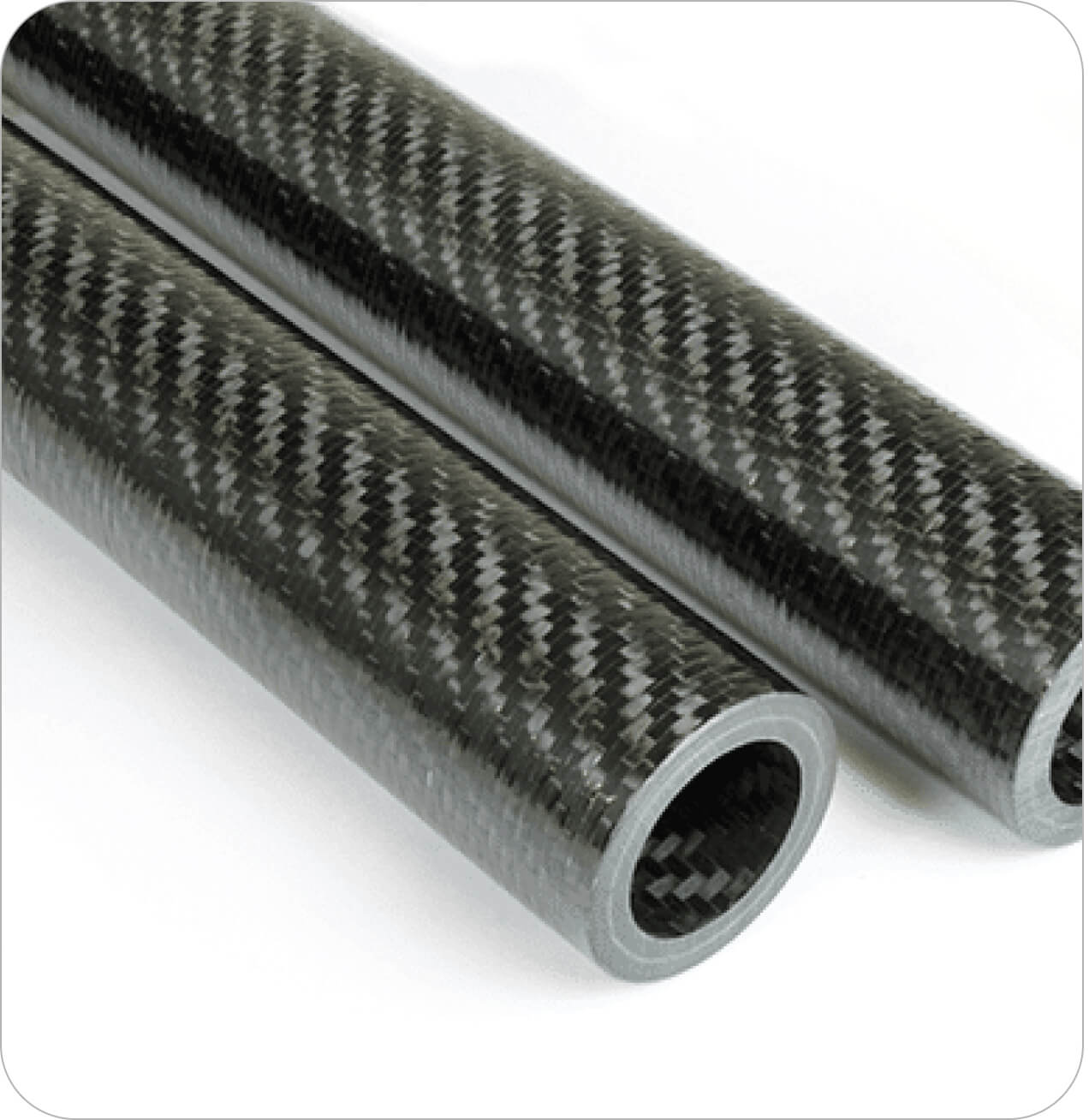
Carbon fiber filaments, one element of a composite, are strands 5 to 10 microns in diameter (5 to 10 times smaller than a human hair) that consist of tightly interlocked chains of carbon atoms in a crystalline structure.

These fibers are woven into a fabric that is then impregnated with a liquid resin that cures in a desired shape, creating a rigid structural material: roughly speaking, the fibers provide tensile strength to the composite, and the resin binds the fibers together in a matrix, supporting the fibers and transmitting forces between them.

High Tensile Materials

This combination creates a rigid material with high tensile, compressive, and shear strength.

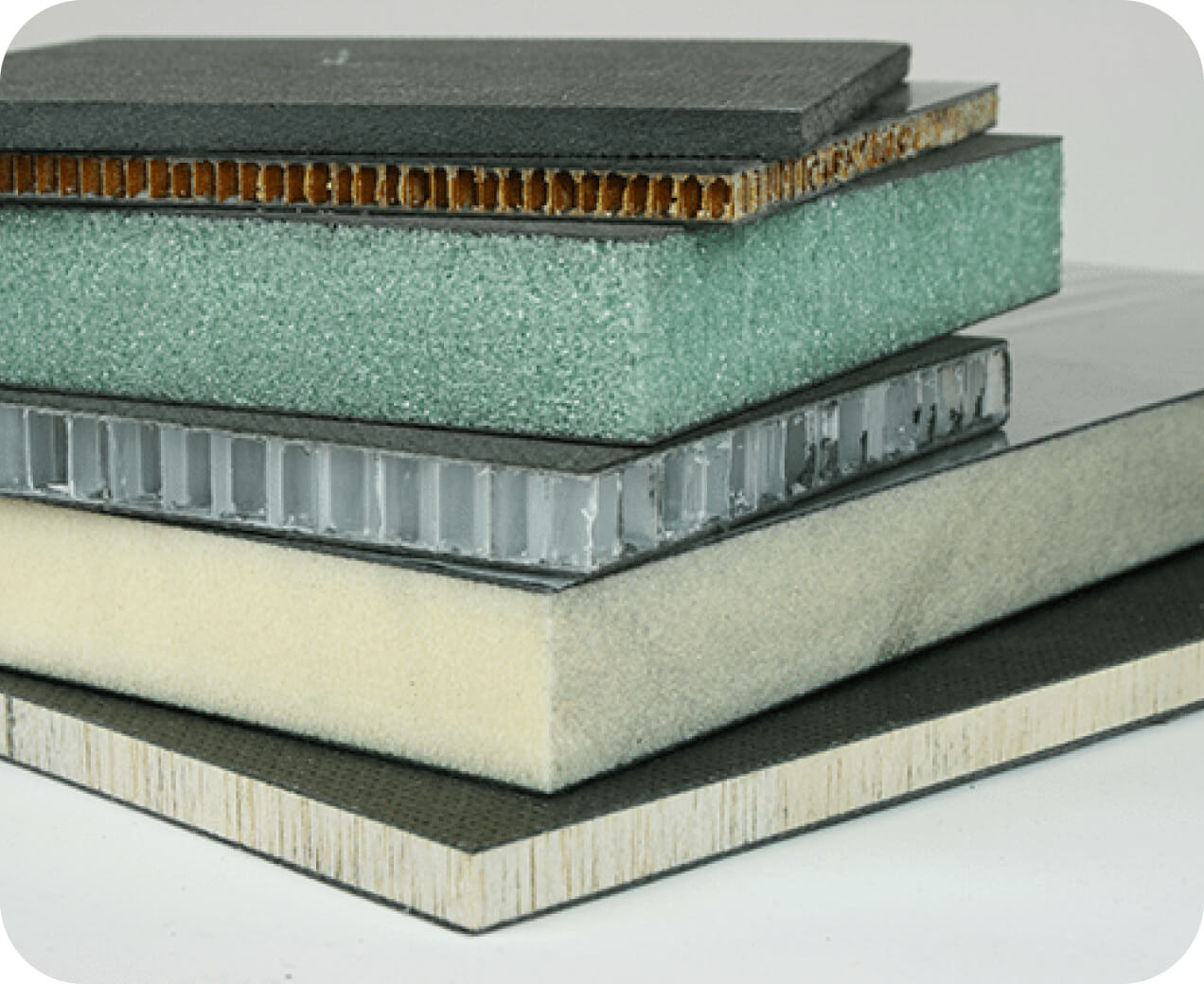
Although the properties of carbon fiber itself receive much of the attention when describing how and why a carbon fiber composite behaves, factors such as the type of resin, the orientation of the fibers, and perhaps a core material sandwiched between two layers of fiber cloth are all available to the designer to meet design goals.

Further, chemically inert composites that demonstrate biocompatibility are available for medical implants or devices that contact bodily fluids or tissue.
Why Carbon Fiber is an Excellent Composite for Medical Devices

Designers are drawn to carbon fiber composites for many reasons, but the primary advantage of carbon fiber is the high stiffness-to-weight ratio. For carbon fiber medical devices, this property solves many design challenges surrounding weight. Wheelchairs, other mobility devices, and prosthetic attachments are more effective and tolerable to the user if they are lightweight. Both surgeons and robots more accurately guide modern tools used in surgical procedures if they weigh less while also providing the necessary stiffness.

One of the leading chemical properties that medical equipment requires is resistance to corrosion and degradation. Carbon fiber composite materials easily withstand repeated high-temperature sterilization, prove to be unreactive to bodily fluids, and are non-corrosive. As a lightweight alternative to stainless steel, carbon fiber composites can replace materials traditionally used for products in medical applications where chemical resistance is essential and, in many cases, is superior.

High Level of Bio-Compatibility

Carbon fiber composites also show a high level of biocompatibility, making them ideal for biomedical applications. Not only have carbon fiber composites been shown to generate no cellular toxicity in in-vitro studies and only a non-specific foreign body reaction in animal studies, but their elastic modulus is close to that of bone.

This alignment makes carbon fiber composites more attractive than stainless steel or titanium for many bone implant device designs because of the reduced stress concentrations imparted on the interface between the bone and the implant. Carbon fiber composites can withstand higher strain loading and fatigue life than traditional implant materials – up to one million cycles in at least one study. [1]

Radiolucency Properties

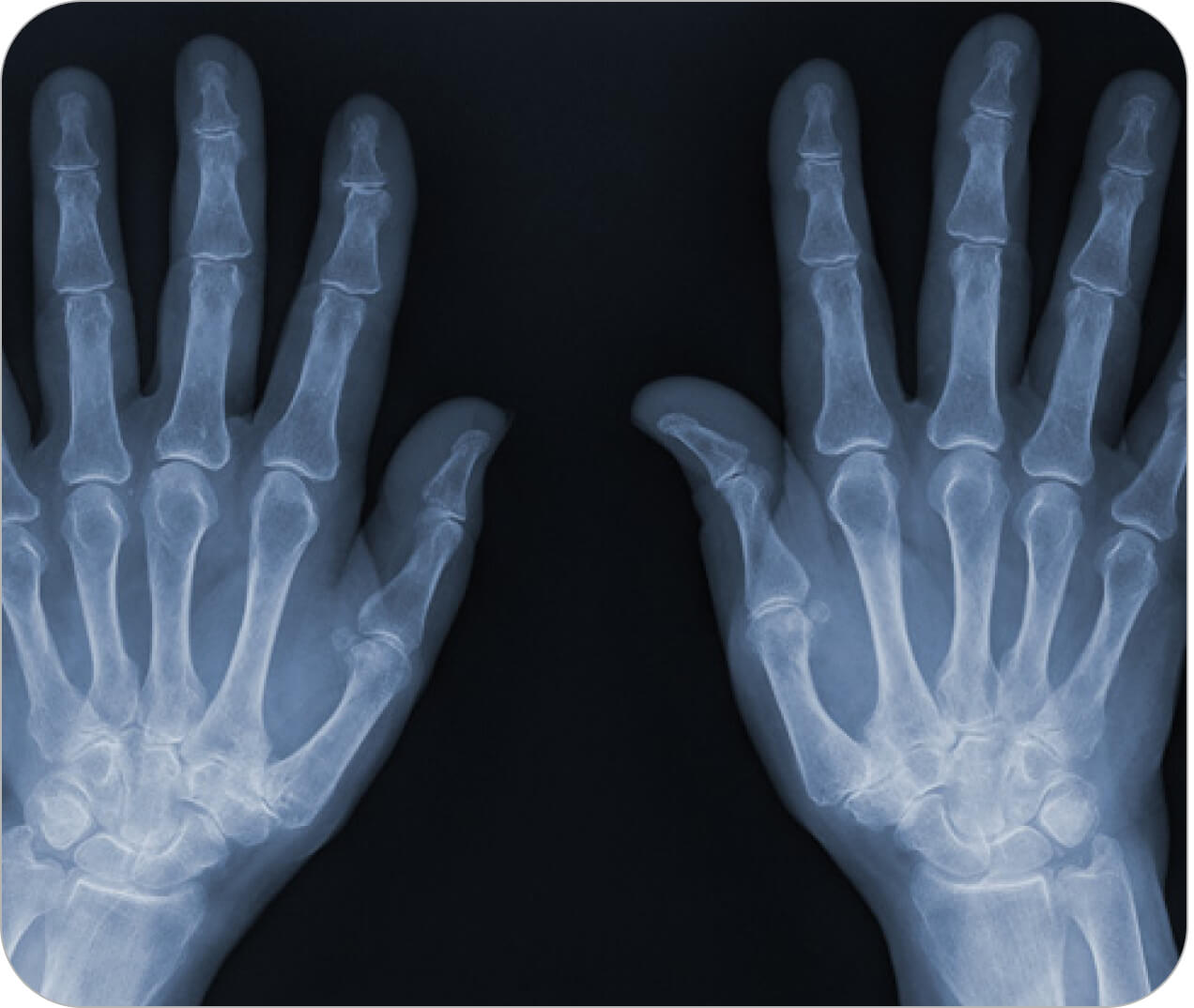
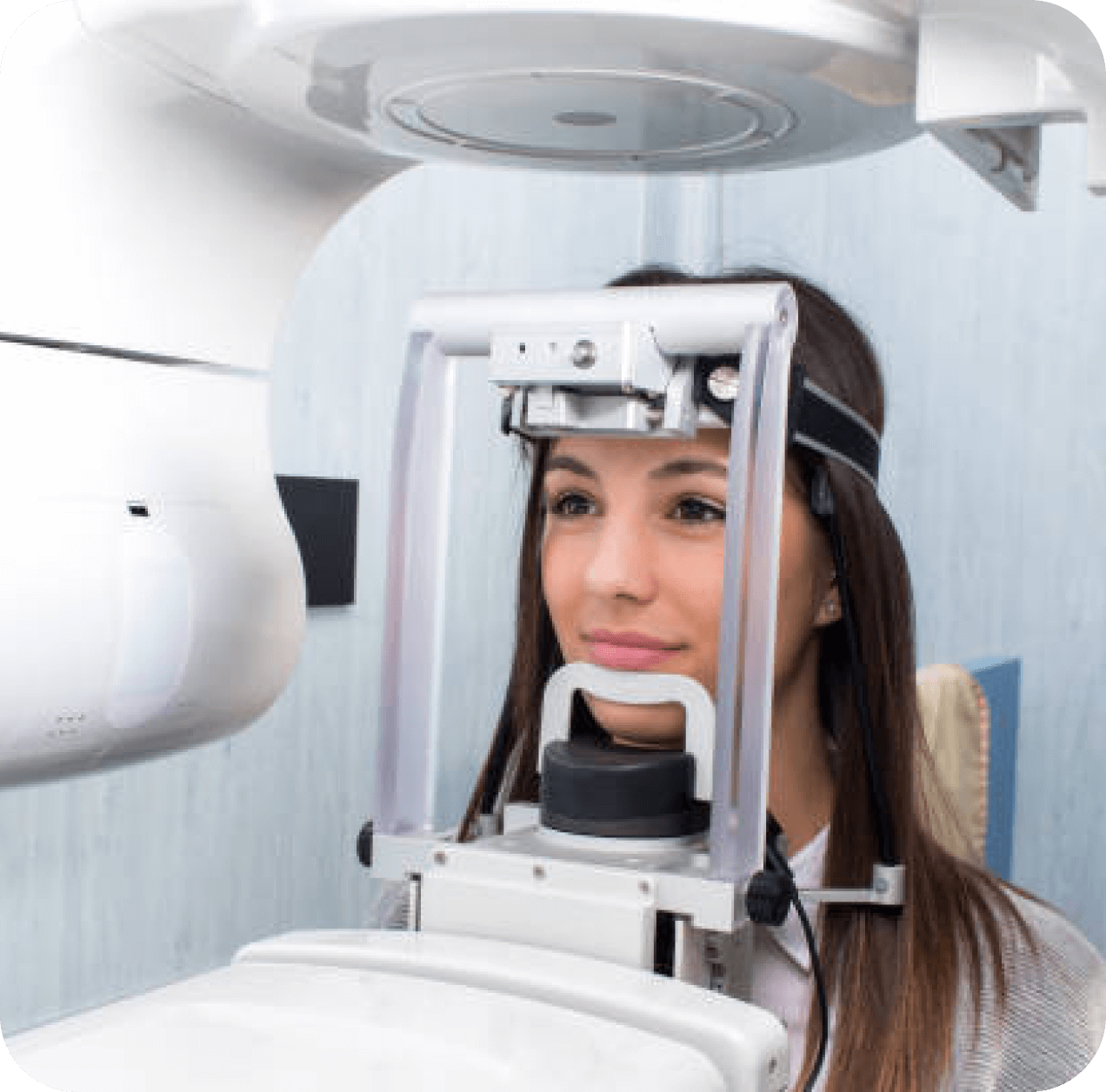
Radiolucency is another coveted property that carbon fiber composites bring to the medical field. Because carbon fiber composites absorb only low levels of electromagnetic radiation energy and are non-magnetic; imaging technologies such as X-ray and MRI are more successful when imaging body areas near a composite implant. When the implant is made of a metallic substance, X-ray and MRI imaging near the site of the implant can be much more challenging.

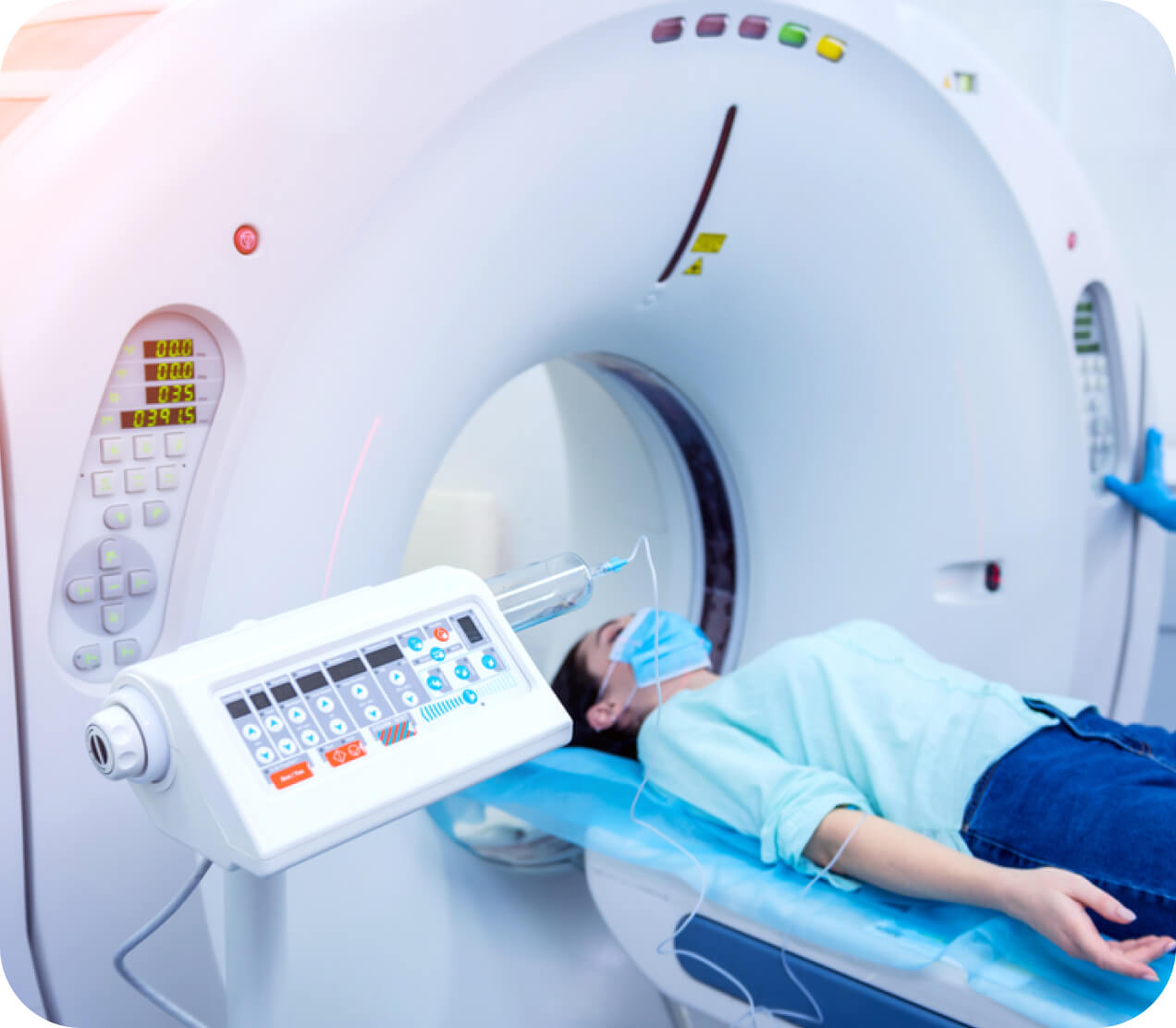
The radiolucency property is also utilized in designing the apparatus that supports the patient in the imaging machines. Using carbon fiber composites for these structural members allow the radiation to pass through them without compromising the image gathered by the machine.

Applications of Carbon Fiber Medical Composites in the Medical Industry

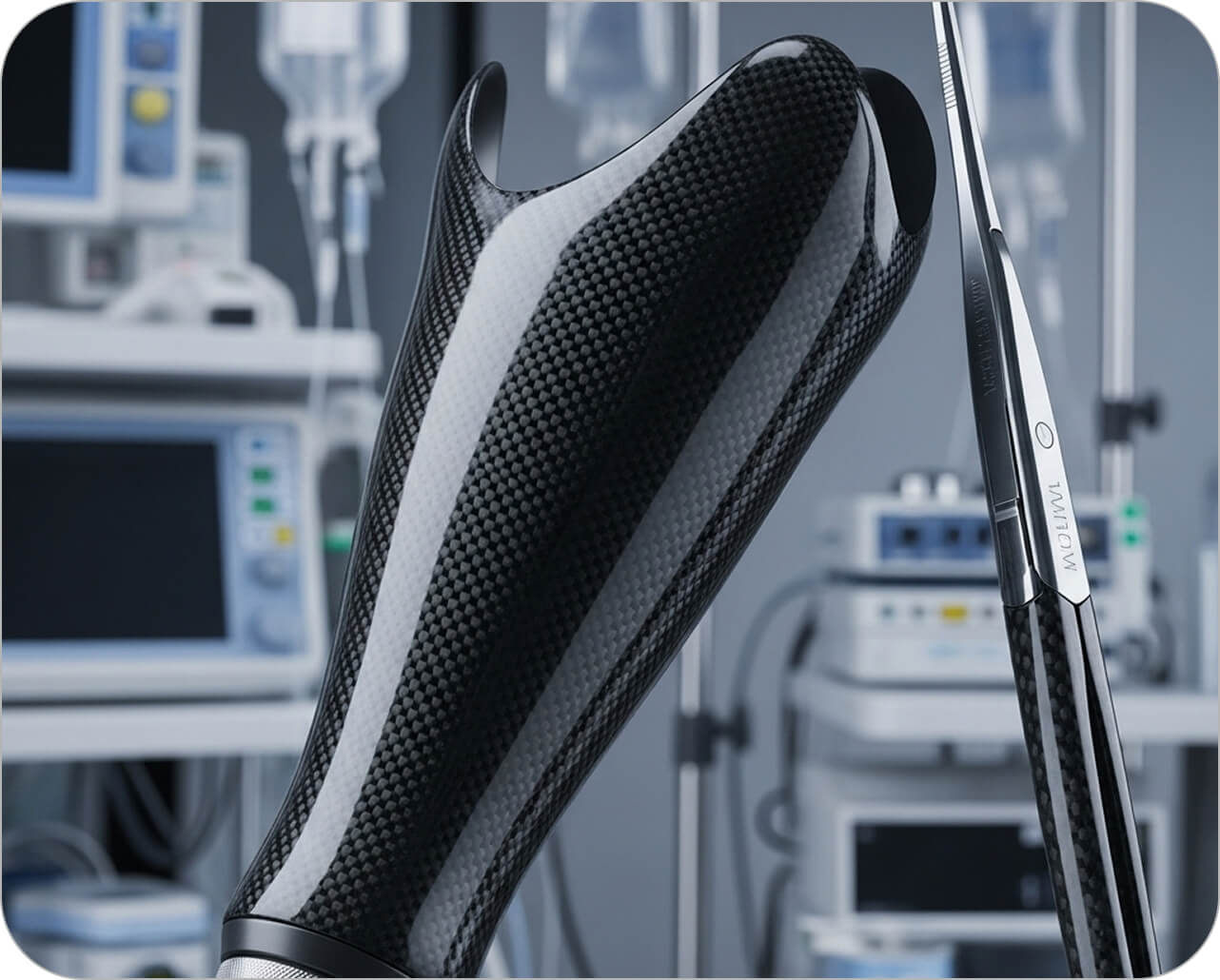
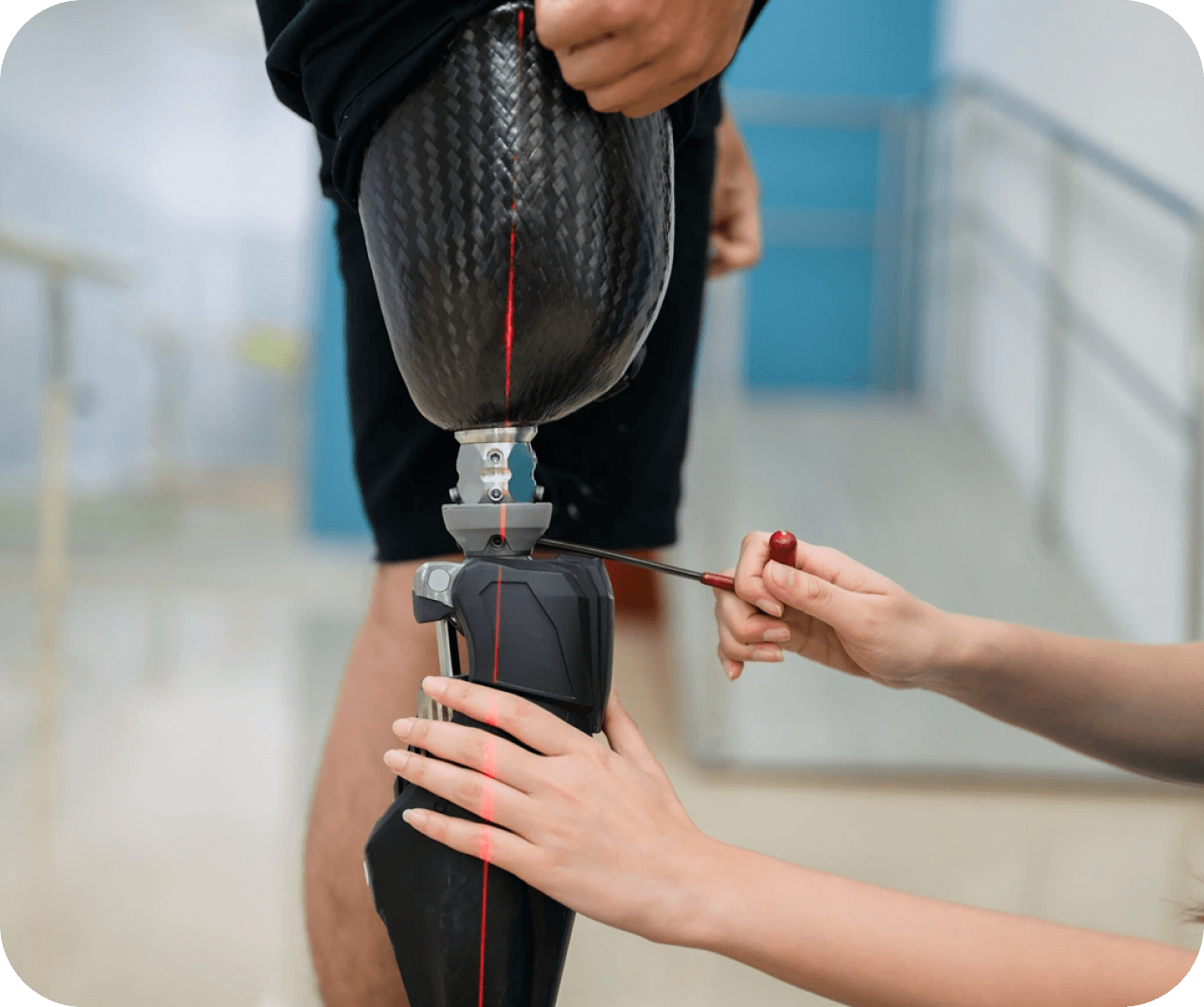
A high strength-to-weight ratio compared to metals and excellent chemical resistance are the mechanical properties that make carbon fiber composites so valuable for use in prosthetic devices and surgical instruments. Often chosen for the “soft socket” material that mounts the prosthetic device to the limb, carbon fiber composites lend themselves to these custom mounts using a wet layup process formed around cast impressions or digital imaging data gathered from the individual.

Minimizing Weight

Minimizing weight while maintaining adequate stiffness is a priority for prosthetics as it promotes greater use and reduces the difficulties that arise when they are too heavy. Carbon fiber composite materials’ light weight and stiffness facilitate the production of precision surgical tools.

Hand tools such as forceps, retractors, and scissors can all be made from carbon fiber. Tools for robotic surgery are made lighter and stiffer with carbon fiber composites. Carbon fiber robotic arms move more quickly and precisely with smaller motors.

Orthopedic Stabilization

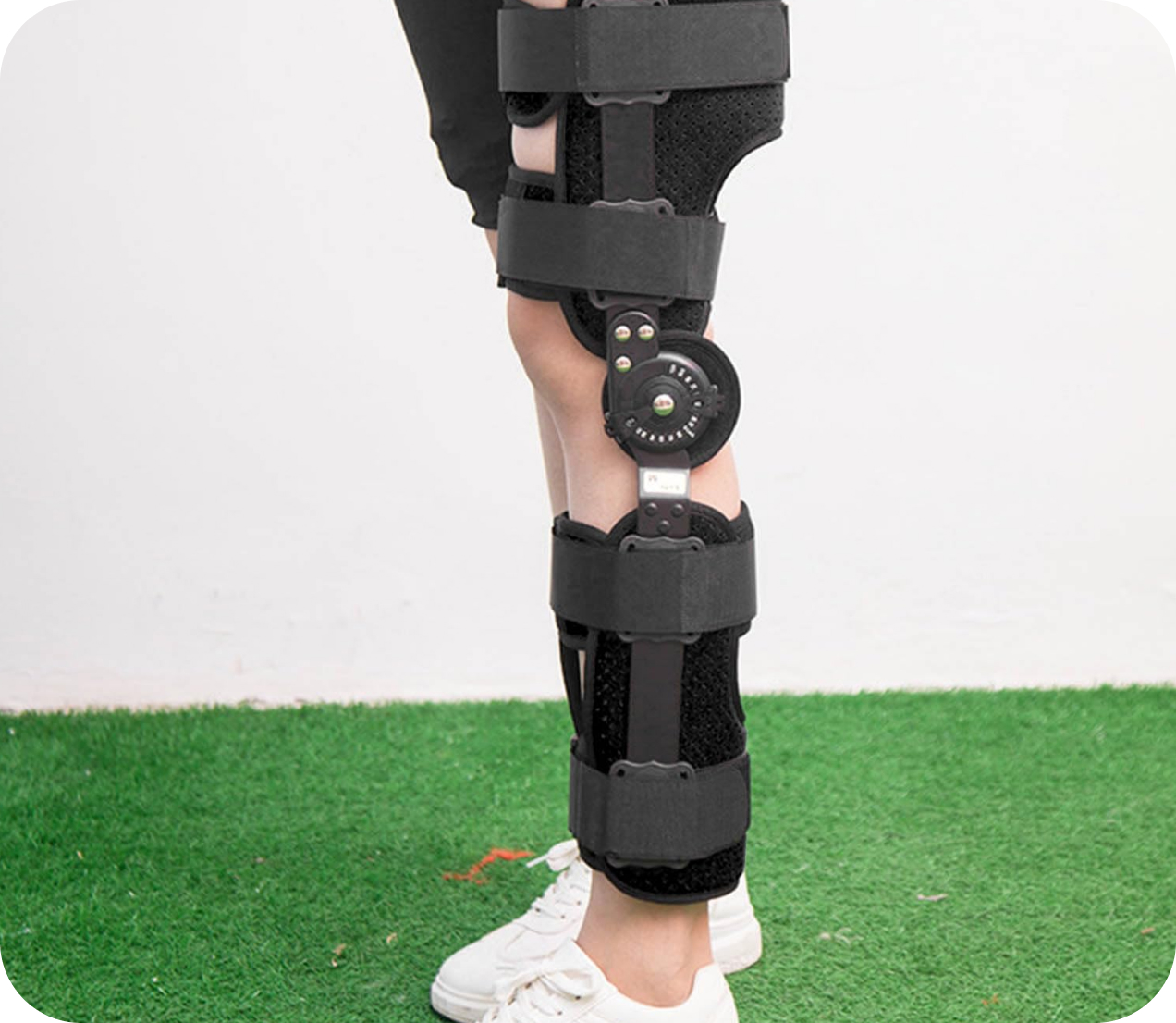
Bone implant devices made from carbon fiber composite materials meet needs that range from dental, cranioplasty, and maxillofacial implants to scaffolds for tissue engineering.

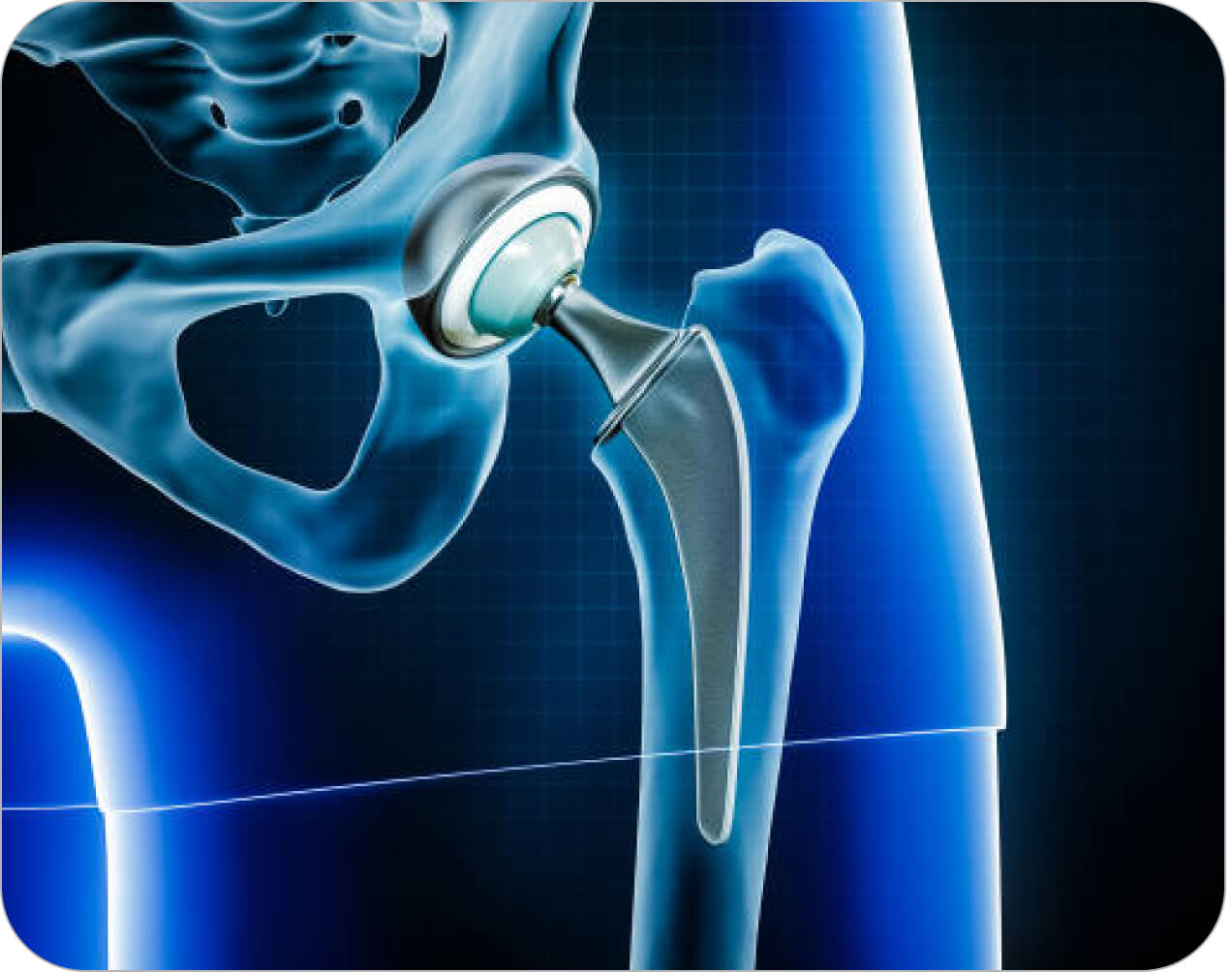
For example, orthopedic stabilization with metal plate implants is a surgical procedure typically employed to repair bone tumor legions and areas of bone removal or fractures and is often followed up with post-surgery radiotherapy or radiofrequency imaging complicated by the metal implant.

Implantable carbon fiber composites, causing neither scattering of radiotherapy dosing nor interfering with radiofrequency imaging, are an ideal replacement for metal implants because the surgeon can see all sides of the bone.
Carbon Fiber Implants

If operating close to a joint, the radiolucency of the carbon fiber implant reduces the risk of screw perforation. Additionally, using carbon fiber composites for bone implants alleviates the concerns for complications from metal allergies as they have been shown to be highly biocompatible.

Radiotherapy centers can improve soft-tissue cancer treatment targets by combining CT and MR images but require precise patient positioning during imaging and treatment. The treatment couches – the platform that slides a patient into the MRI or CTI machine – and the immobilization devices attached to the couch use carbon fiber composites for their lightweight rigidity and strength, but also because the carbon fiber couch is invisible to the imaging processes.

Frequent Questions

Carbon fiber composites generate no cellular toxicity in in-vitro studies and only a non-specific foreign body reaction in animal studies. Also, its elastic modulus can be close to bone, improving its biocompatibility for spinal reconstruction and other skeletal repair applications.

Carbon fiber fabric is inert and poses no risk to humans, and when the resin has cured, the composite material is also inert. One should wear personal protective equipment when sanding, cutting, or shaping a carbon fiber composite because the dust could become respirable and inhaled into the lungs.

For people handling uncured epoxy resins when making carbon fiber composites, precautions should be taken as recommended by the manufacturer of the resin material to minimize skin contact with the uncured resin.

The global medical composites market is a high-growth market valued at $1.4B in 2023 and projected to reach $1.7B by 2027, exhibiting a compound annual growth (CAGR) of 8%.

The driving factors for this growth are a) the increasing demand for lightweight and radiolucent materials, b) a high rate of technological development in medical implants using composite materials, and c) the growing demand for minimally invasive surgery.

The diagnostic imaging segment of the medical composites market drives the current demand because the material is used to make multiple imaging machines and accessories components.

Manufacturing costs for carbon fiber medical devices are a primary concern for market penetration. Raw material cost is a focus. Various prepreg preparations (fabric that is pre-impregnated with the uncured epoxy resin) and faster curing resins have been developed to drive costs.

Production technology is also working to reduce cycle times through new forming processes, fabric preparation techniques, and more. Finally, advanced software tools are reducing engineering costs and design iteration times.

Strict clinical and regulatory processes make up the major restraint in the medical composites market. The approval of carbon fiber medical devices and their materials is a slow process regulated differently in the major market locations – the FDA in the United States and the European Commission in Europe – which adds complexity to an already complicated process.
References

[1] Rui Guo et al., “The fatigue performances of carbon fiber reinforced polymer composites – A review,” Journal of Materials Research and Technology 21 (2022/11/01/ 2022) Click here to view reference

View All Applications

© 2025 Element 6 Composites. All Rights Reserved