



Frequently Asked Questions

Product Information

What does Element 6 Composites do?

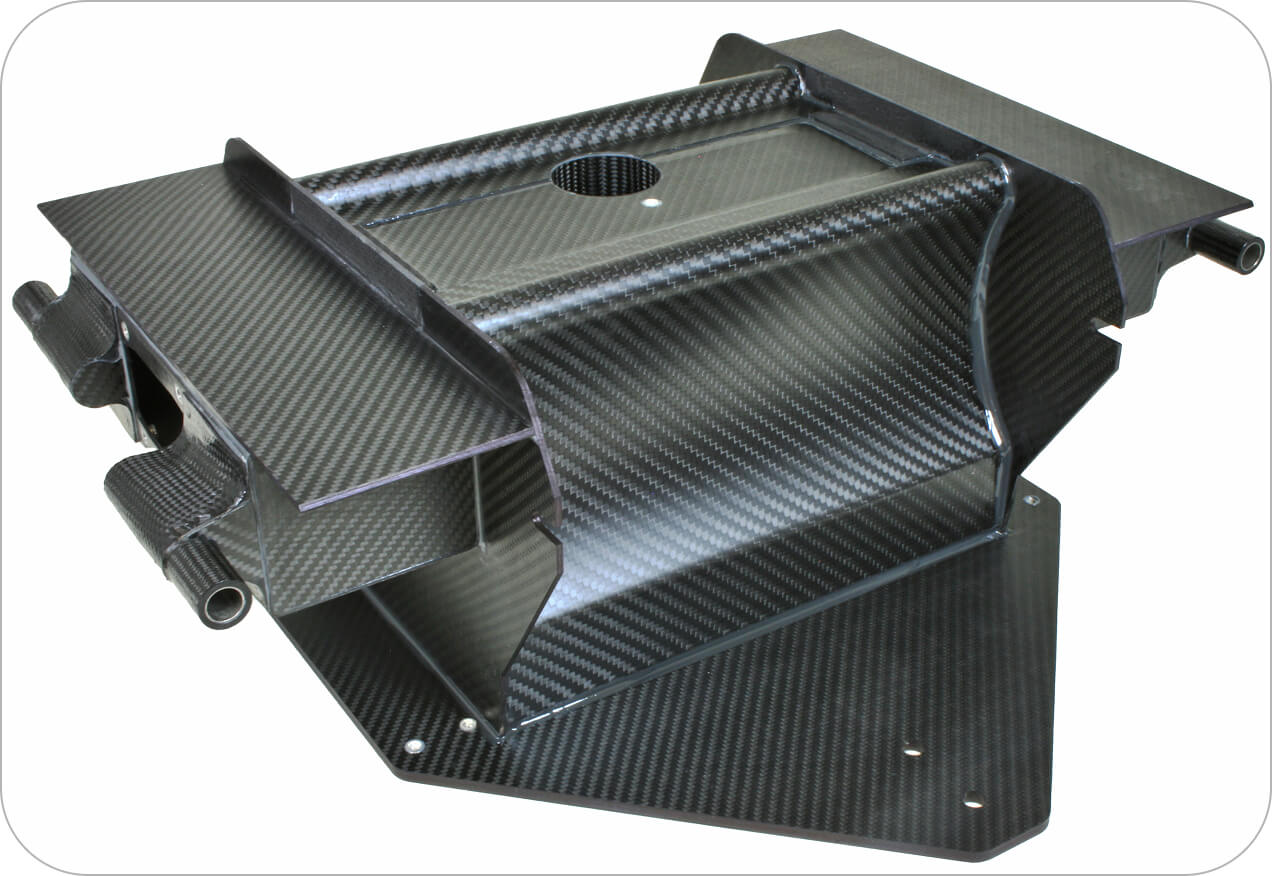
Element 6 Composites is a custom carbon fiber engineering and manufacturing company based in Elbridge, New York. The company specializes in the design, analysis, prototyping, and production of custom carbon fiber composite parts and assemblies, serving industries such as aerospace, defense, medical, robotics, and more. All work is performed in the USA under ISO 9001:2015 quality management standards. Learn more.

What products and services does Element 6 Composites offer?

Element 6 Composites offers a full suite of carbon fiber engineering services, including design, analysis (such as finite element analysis), rapid prototyping, and full-scale manufacturing. The company also provides custom solutions for industries like unmanned systems, robotics, medical devices, and defense. See all services.

Where is Element 6 Composites located?

Element 6 Composites operates out of Elbridge, New York, USA. All engineering, prototyping, and manufacturing work is performed at this facility.

How long has Element 6 Composites been in business?

Element 6 Composites has over 35 years of experience in carbon fiber engineering and manufacturing, providing innovative solutions to a wide range of industries.

Is Element 6 Composites part of a larger organization?

Yes, Element 6 Composites is a subsidiary of Allred & Associates, Inc., which also produces carbon fiber components under the DragonPlate brand.

What is the primary purpose of Element 6 Composites' products?

The primary purpose is to optimize performance, reduce development costs, provide lightweight and durable materials, deliver custom solutions, and ensure quality assurance for industries requiring advanced carbon fiber components. Learn more.

What industries does Element 6 Composites serve?

Element 6 Composites serves aerospace, defense, medical devices, robotics and automation, industrial and commercial equipment, UAV and unmanned systems, prototype and development programs, and musical instruments. See industries.

What is the process for starting a project with Element 6 Composites?

Customers can start by contacting Element 6 Composites via phone or the contact page. The company offers a free design review—customers can upload drawings or requirements for a no-obligation review. Consultations are available to discuss design, prototyping, or manufacturing needs. Contact Element 6.

What technical documentation does Element 6 Composites provide?

Element 6 Composites offers material certifications, traceability records, and process documentation to support regulated applications and ensure compliance with industry standards. Customers should discuss documentation needs early in the project. For more information, call 315-252-2559.

What certifications does Element 6 Composites hold?

Element 6 Composites is ISO 9001:2015 certified, ensuring consistent, high-quality products and rigorous adherence to compliance protocols. View certification.

Features & Capabilities

What are the key features of Element 6 Composites' products?

Key features include advanced engineering tools (finite element analysis with NEiNastran), rapid prototyping, custom solutions for specialized applications, high-performance carbon fiber materials, and ISO 9001:2015 certified quality. Learn more.

How does Element 6 Composites ensure product performance?

Element 6 Composites uses advanced tools like finite element analysis (FEA) to optimize material placement, reduce weight, and ensure components meet or exceed performance requirements. The company also engineers materials for strength, durability, and impact resistance, and is ISO 9001:2015 certified. See performance highlights.

Does Element 6 Composites offer custom solutions?

Yes, Element 6 Composites specializes in custom carbon fiber solutions tailored to the unique requirements of industries such as aerospace, robotics, medical devices, and unmanned systems. Explore custom solutions.

What engineering tools does Element 6 Composites use?

Element 6 Composites utilizes advanced engineering tools, including finite element analysis (FEA) with NEiNastran, to optimize performance and reliability for demanding applications. Learn more about analysis services.

What makes Element 6 Composites' materials unique?

The carbon fiber composites used by Element 6 Composites offer unmatched strength-to-weight ratios, high stiffness, impact resistance, and durability, making them ideal for demanding and regulated industries. Learn about materials.

Does Element 6 Composites provide rapid prototyping?

Yes, rapid prototyping services are available to help customers test and refine designs quickly, reducing development time and costs while ensuring production-level quality. Discover prototyping services.

What quality assurance processes are in place?

Element 6 Composites operates under ISO 9001:2015 quality management standards, ensuring rigorous quality assurance, traceability, and continuous improvement throughout the engineering and manufacturing process. View certification.

Does Element 6 Composites support compliance for regulated industries?

Yes, Element 6 Composites supports compliance for regulated industries such as aerospace, medical devices, and defense. The company provides material certifications, traceability, process documentation, and can select flame-retardant resin systems for fire code compliance. Learn more.

What educational resources are available?

Element 6 Composites offers resources such as The Ultimate Guide to Carbon Fiber Design and Application to help customers understand and utilize carbon fiber materials effectively. Download the guide.

Pricing & Plans

How is pricing determined for Element 6 Composites projects?

Pricing is custom and based on factors such as part geometry, material selection, laminate schedule, tolerances, quantity, tooling requirements, finishing, secondary operations, and project timeline. Customers are encouraged to provide detailed requirements for accurate quotes. Request a quote.

Does Element 6 Composites offer free consultations or design reviews?

Yes, Element 6 Composites offers a free, no-obligation design review. Customers can upload drawings, sketches, or requirements to receive feedback and refine their project scope. Start your review.

What information is needed to get an accurate quote?

To provide an accurate quote, Element 6 Composites needs details on part geometry, material selection, laminate schedule, tolerances, quantity, tooling, finishing, secondary operations, and desired timeline. The more information provided, the more precise the quote. Submit your requirements.

Use Cases & Benefits

Who can benefit from Element 6 Composites' solutions?

Engineers, product designers, R&D specialists, and decision-makers in industries such as aerospace, defense, medical devices, robotics, industrial equipment, UAVs, and musical instruments can benefit from Element 6 Composites' tailored carbon fiber solutions. See use cases.

What business impact can customers expect from using Element 6 Composites?

Customers can expect optimized performance, cost savings through rapid prototyping, market differentiation with custom designs, lightweight and durable materials, long-term reliability, and enhanced innovation through educational resources. Learn more.

What problems does Element 6 Composites solve?

Element 6 Composites addresses complex engineering challenges, high prototyping costs, performance optimization, the need for lightweight and durable materials, custom solutions for specialized applications, and quality assurance for regulated industries. See solutions.

What are some real-world case studies of Element 6 Composites' solutions?

Case studies include developing a composite chassis for wall-climbing robots (International Climbing Machines), carbon fiber control vanes for UAVs (AAI Corporation), gondolas and tail fins for unmanned airships (Remote Aerial Tripod Specialists Inc.), and composite enclosures for marine defense systems (Frontier Electronic Systems). See case studies.

What industries are represented in Element 6 Composites' case studies?

Industries include the nuclear industry, aerospace, wind energy, robotics, defense, and industrial applications such as aerial photography and marine systems. Explore industries.

What are some of Element 6 Composites' notable customers?

Notable customers include International Climbing Machines, AAI Corporation, Remote Aerial Tripod Specialists Inc., and Frontier Electronic Systems. These clients represent diverse industries and applications. See customer stories.

How does Element 6 Composites help with performance optimization?

Element 6 Composites uses finite element analysis (FEA) and advanced engineering methodologies to ensure components meet and exceed performance requirements, minimizing risks and streamlining product development. Learn more.

What pain points does Element 6 Composites address for customers?

Element 6 Composites addresses pain points such as complex engineering challenges, high prototyping costs, the need for performance optimization, lightweight and durable materials, custom solutions for specialized applications, and the demand for quality assurance. See how we help.

Competition & Comparison

How does Element 6 Composites compare to other carbon fiber solution providers?

Element 6 Composites differentiates itself through advanced engineering tools (FEA with NEiNastran), rapid prototyping, custom solutions for specialized industries, high-performance materials, ISO 9001:2015 certification, and educational resources. These strengths make it a preferred choice for industries with demanding requirements. See differentiators.

Why choose Element 6 Composites over alternatives?

Customers choose Element 6 Composites for its ability to solve complex engineering challenges, reduce prototyping costs, optimize performance, provide lightweight and durable materials, deliver custom solutions, and ensure quality through ISO certification. Learn why.

What are the advantages of Element 6 Composites for different user segments?

Aerospace clients benefit from lightweight, durable materials; medical device companies gain biocompatible, radiolucent components; robotics firms achieve high stiffness-to-weight ratios; defense customers receive rugged, mission-critical enclosures; and industrial users get custom jigs and fixtures. See segment benefits.

How does Element 6 Composites support innovation?

Element 6 Composites fosters innovation through collaborative design, advanced simulation, rapid prototyping, and educational resources, helping customers push engineering boundaries and develop unique products. Learn more.

Support & Implementation

How long does it take to implement a project with Element 6 Composites?

Implementation timelines vary: a design review typically takes a few weeks, while a full design-prototype-production program can span several months depending on complexity and requirements. Contact for details.

How easy is it to start working with Element 6 Composites?

It is easy to get started—simply contact Element 6 Composites via phone or the website, submit your requirements, and take advantage of free design reviews and consultations. Start your project.

What support is available during the project?

Element 6 Composites provides technical support, design consultations, rapid prototyping, and access to educational materials throughout the project lifecycle to ensure successful outcomes. See support options.

How does Element 6 Composites handle security and compliance?

Element 6 Composites prioritizes security and compliance by operating under ISO 9001:2015 standards, providing material certifications, traceability, process documentation, and supporting application-specific compliance for regulated industries. Learn more.

Part 1

The Ultimate Guide to Carbon Fiber

Carbon Fiber Design, Analysis, Prototyping & Manufacturing

Element 6 Composites specializes in carbon fiber design, analysis, prototyping, and manufacturing.

We are experts in carbon fiber composites and other high-performance materials. This guide will walk you through everything you need about carbon fiber design and application.

What is Carbon Fiber?

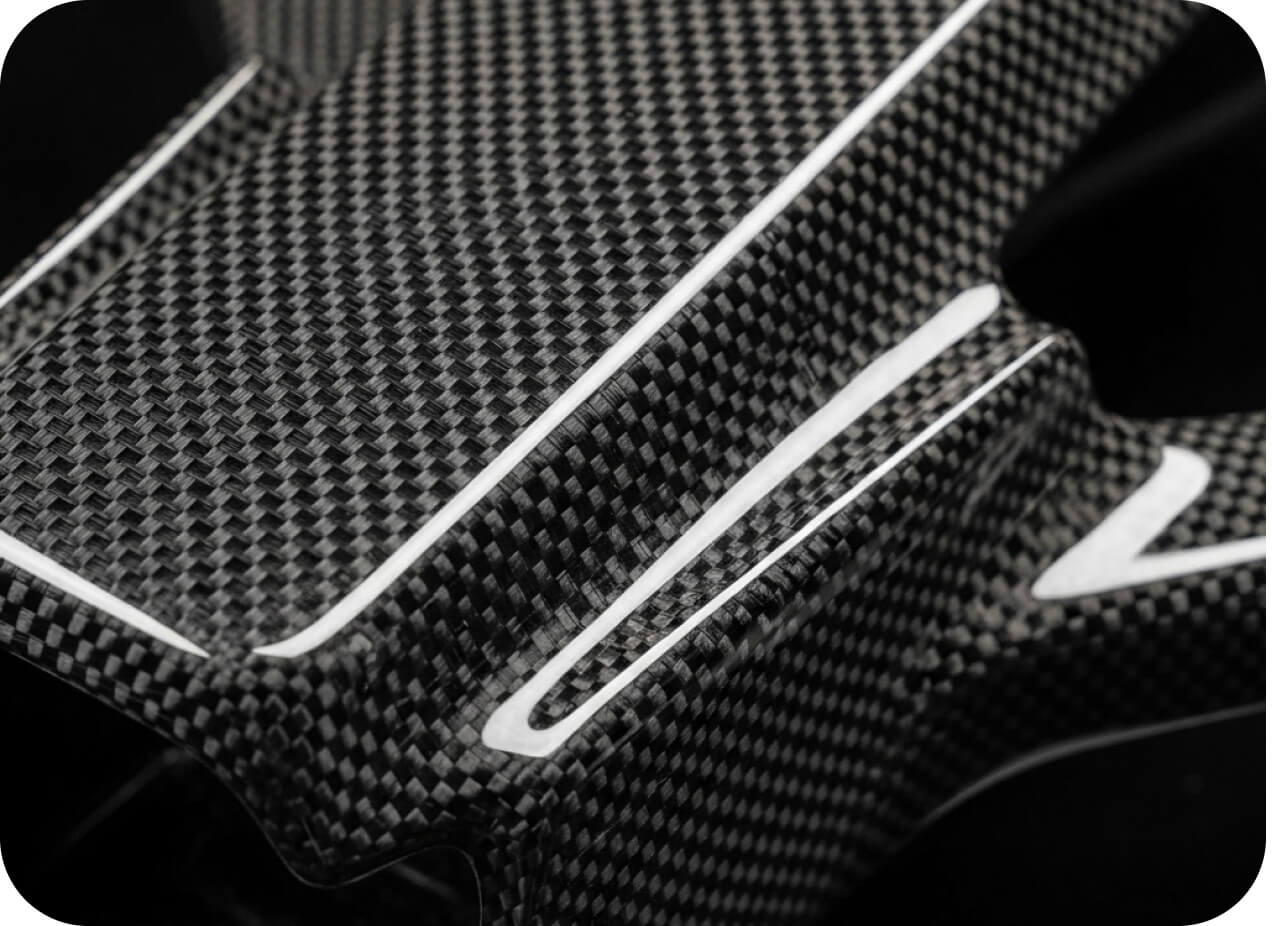
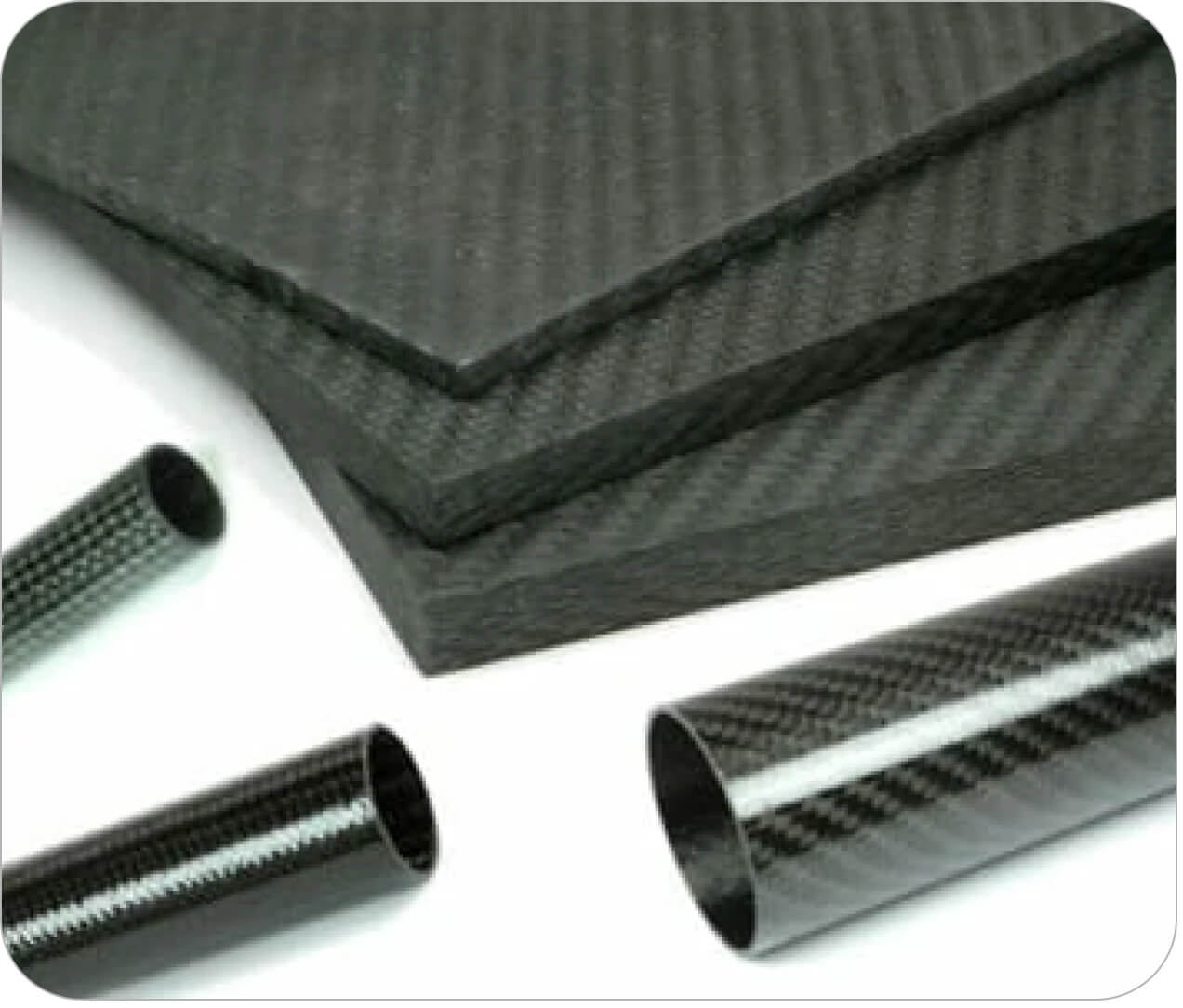
Carbon fiber is composed of strands of fibers 5 to 10 microns in diameter that consist of long, tightly interlocked chains of carbon atoms in a microscopic crystalline structure.

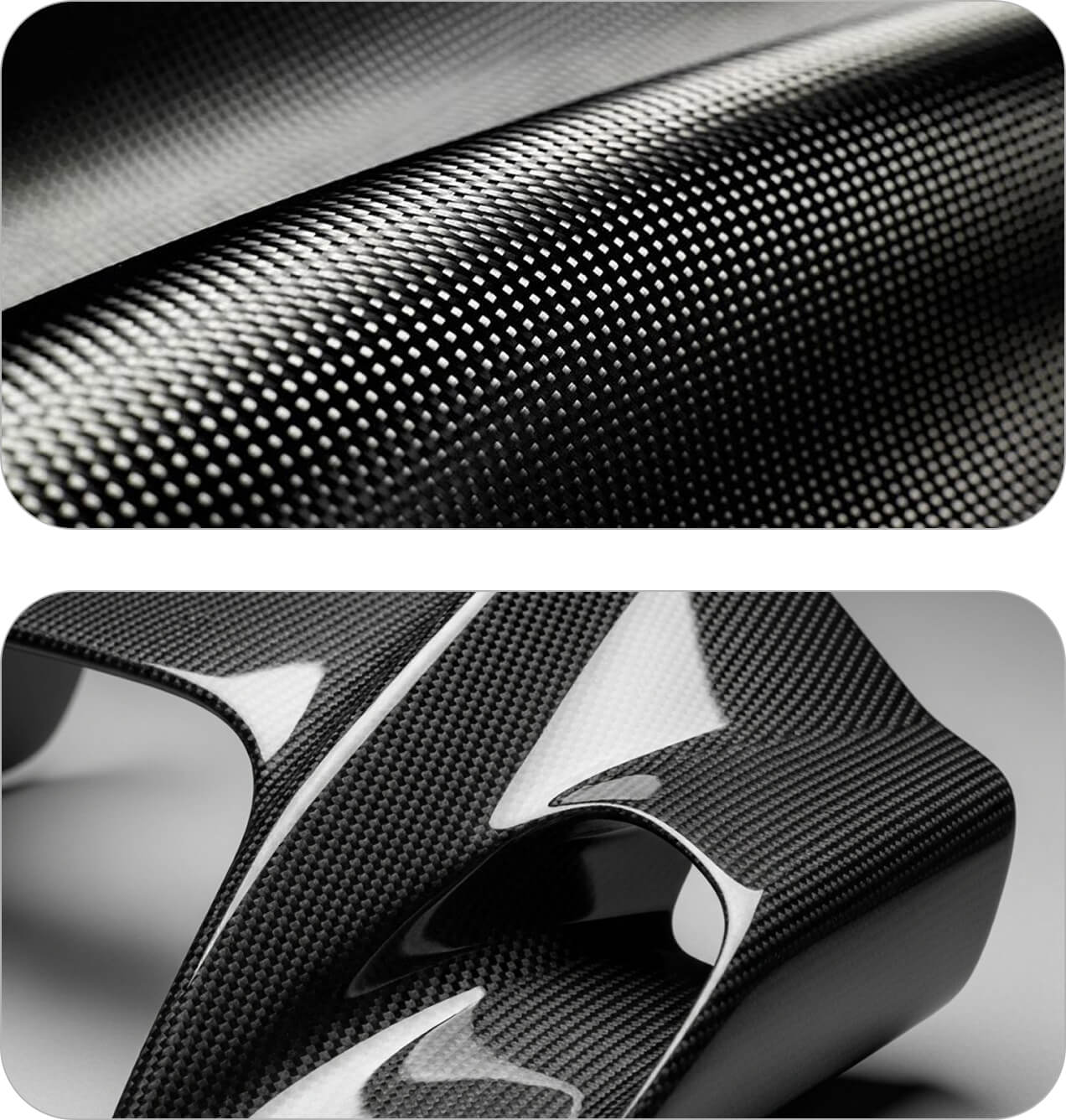
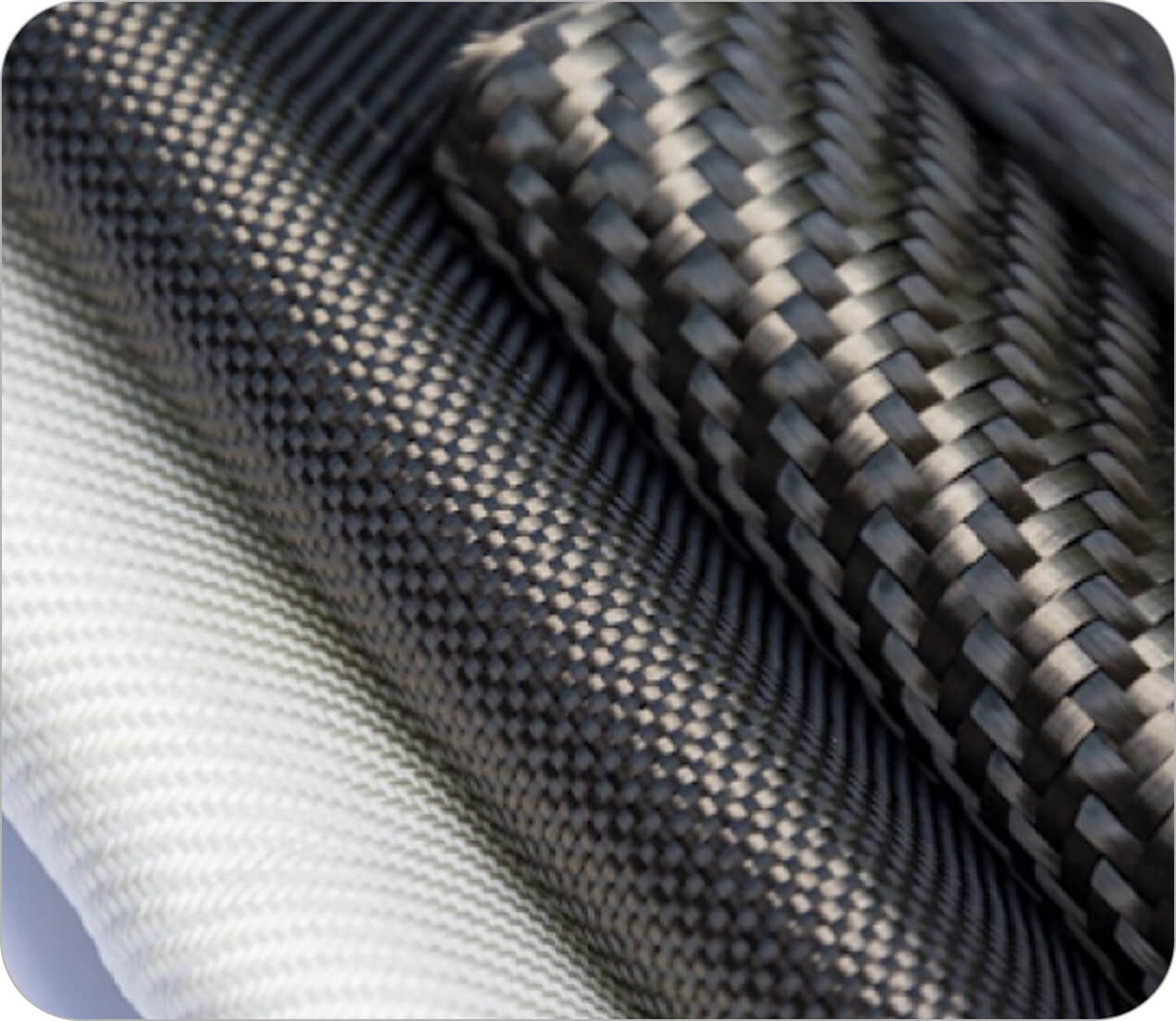
These fibers are extremely stiff, strong, and light, and are used in many processes to create high-performance building materials. Carbon fiber reinforcements come in a variety of weaves, braids, and other formats such as tow, and uni-directional.

These are combined with various resins to produce carbon fiber-reinforced composites in a wide range of shapes and fiber patterns.

How is Carbon Fiber Made?

number1-icon

Precursor

To produce carbon fiber, an organic polymer precursor is needed. This raw material is processed with heat and chemical agents to convert it to carbon fiber. The first high-performance carbon fiber materials were made from a rayon precursor. Currently, approx 90% of carbon fiber is made from polyacrylonitrile, while the other 10% or so is made from rayon or petroleum pitch.

number2-icon

Manufacturing

The carbon fiber manufacturing process begins with carbonization. To achieve high-quality carbon fiber, the precursor polymer needs to contain a high percentage of carbon atoms. The majority of the non-carbon atoms within the structure will be removed in the process. First, the precursor is pulled into long fibers. These fibers are then heated to very high temperatures in an anaerobic gas mixture (without the presence of oxygen) to ensure the material doesn’t burn. The heat energizes the atomic structure of the fibers and drives off most of the non-carbon atoms from the material.

number3-icon

Treatment

Following carbonization, the surface of the carbon fibers must be treated to improve bondability with epoxies or other resins. Careful oxidation of the surface of the carbon fibers improves chemical bonding properties, while simultaneous roughening of the surface provides improved mechanical bonding. This oxidation can be accomplished in a number of different ways. The carbon fiber can be exposed to various gases such as carbon dioxide or ozone, or liquids such as nitric acid, or even processed electrolytically.

number4-icon

Sizing

Prior to weaving, the carbon fibers must be sized, or coated, with a polymer to protect them during the weaving process. The sizing is selected for compatibility with the laminating resin to be used. The fibers are then wound onto bobbins, spun, and processed into various weaves and other formats

The Ultimate Guide to Carbon Fiber Design and Application

Why Would You Use Carbon Fiber as Opposed to Another Material?

Reason 1: Strength

The primary reason why one would consider the use of carbon fiber is its high stiffness to weight ratio. Carbon fiber is very strong, very stiff, and relatively light.

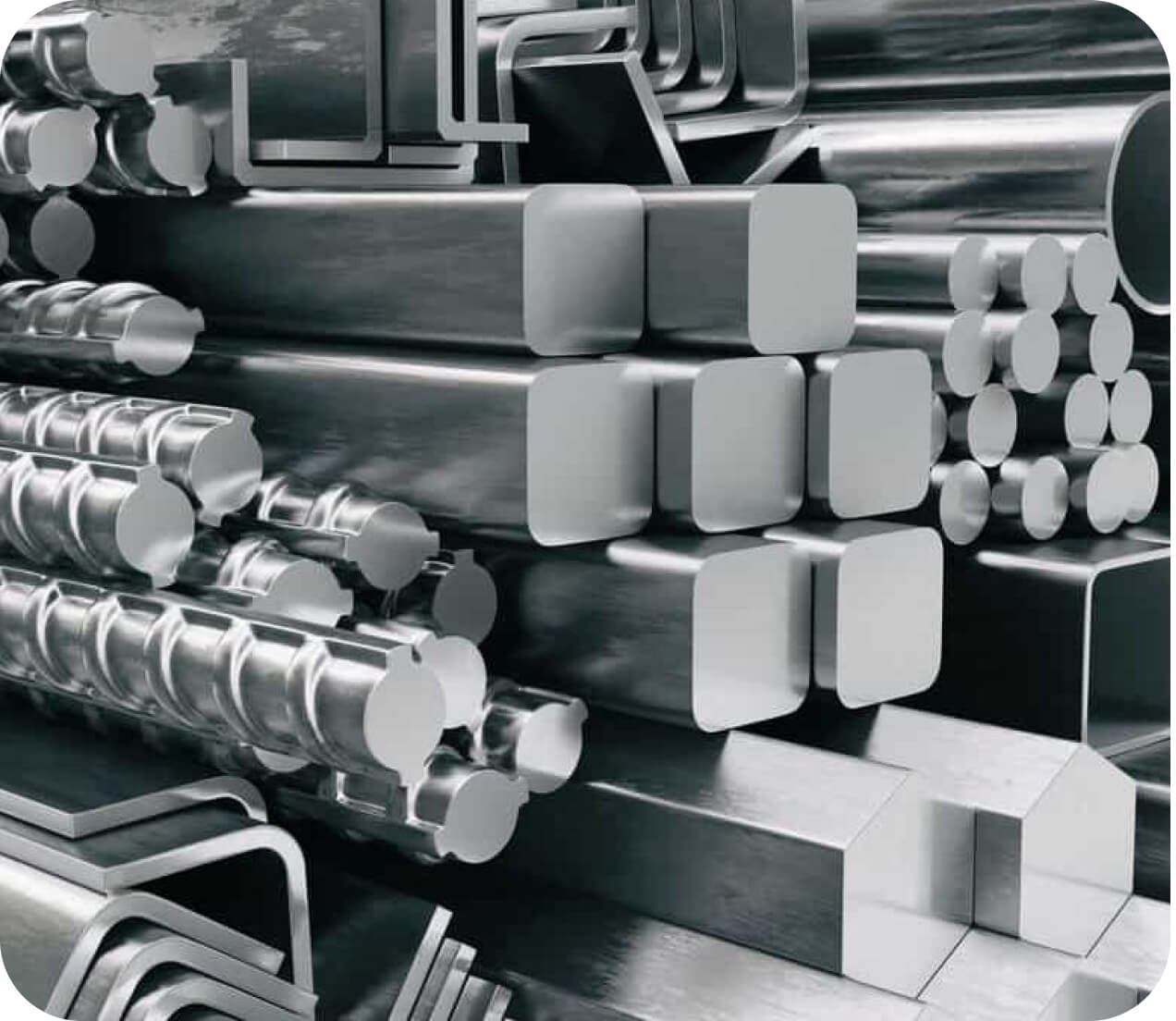
The stiffness of a material is measured by its modulus of elasticity. The modulus of carbon fiber is typically 34 MSI (234 Gpa). The ultimate tensile strength of Carbon Fiber is typically 600-700 KSI (4-4.8 Gpa). Compare this with 2024-T3 Aluminum, which has a modulus of only 10 MSI and ultimate tensile strength of 65 KSI, or with 4130 Steel, which has a modulus of 30 MSI and ultimate tensile strength of 125 KSI.

Ultra-High Modulus Carbon Fiber

High and Ultra-High Modulus carbon fiber or High Strength carbon fiber are also available due to refinements in the materials and the processing of carbon fiber.

A composite carbon fiber part is a combination of carbon fiber and resin, which is typically epoxy. The strength and stiffness of a carbon fiber composite part will be the result of the combined strengths and stiffnesses of both the fiber and the resin.

The magnitude and direction of local strength and stiffness of a composite part are controlled by the local fiber density and orientation in the laminate.

Balanced & Symmetric Carbon Fiber Weave

It is typical in engineering to quantify the benefit of structural material in terms of its strength to weight ratio (Specific Strength) and its stiffness to weight ratio (Specific Stiffness), particularly where reduced weight relates to improved performance or reduced life cycle cost.

A carbon fiber plate fabricated from standard modulus plain weave carbon fiber in a balanced and symmetric 0/90 layup has an elastic bending modulus of approx. 10 MSI. It has a volumetric density of about .050 lb/in3.

Thus the stiffness to weight ratio or Specific Stiffness for this material is 200 MSI The Strength of this plate is approx. 90 KSI, so the Specific Strength for this material is 1800 KSI

Greater Than Aluminum or Steel

By comparison, the bending modulus of 6061 aluminum is 10 MSI, the Strength is 35 KSI, and the volumetric of density is 0.10 lb.

This yields a Specific Stiffness of 100 MSI and a Specific Strength of 350 KSI. 4130 steel has a stiffness of 30 MSI, a strength of 125 KSI and a density of .3 lb/in3 which yields a Specific Stiffness of 100 MSI and a Specific Strength of 417 KSI.

Hence, even a basic plain-weave carbon fiber panel has a specific stiffness 2x greater than aluminum or steel. It has a specific strenght 5x that of aluminum and over 4x that of steel.

Sandwich Structures Utilizing Lightweight Cores

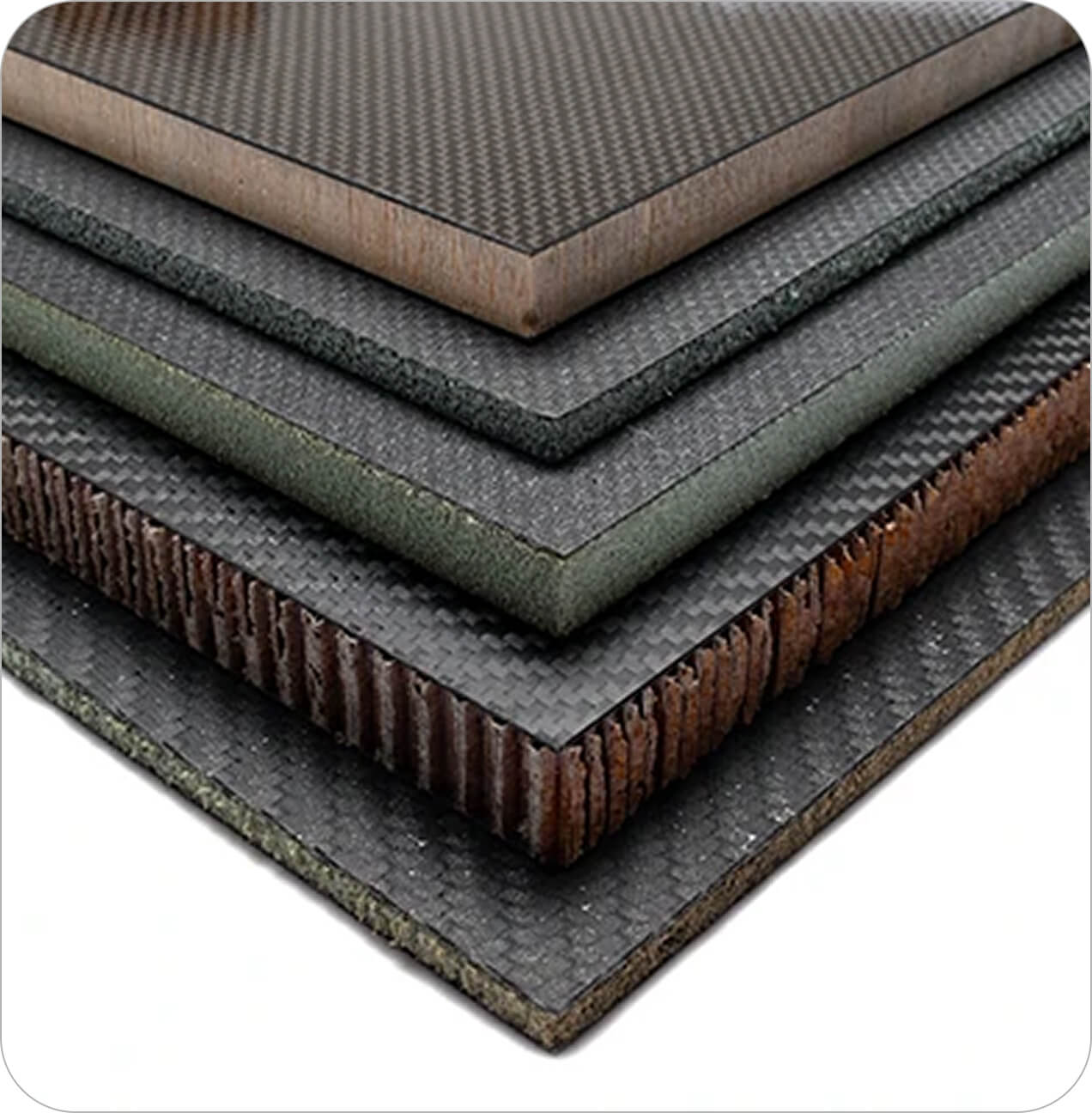
When one considers the option of customizing carbon fiber panel stiffness through strategic fiber placement and includes the significant increase in stiffness possible with sandwich structures utilizing lightweight core materials, is it obvious the advantage that carbon fiber composites can make in a wide variety of applications.

The specifics numbers depend on the details of construction and the application. For instance, a foam-core sandwich has an extremely high strength to weight ratio in bending, but not necessarily in compression or crush. In addition, the loading and boundary conditions for any components are unique to the specific structure.

Thus it is impossible to provide the thickness of a carbon fiber plate that would directly replace a steel plate in a given application without careful consideration of all design factors. This is accomplished through careful engineering analysis and experimental validation.

Patent Pending Methods

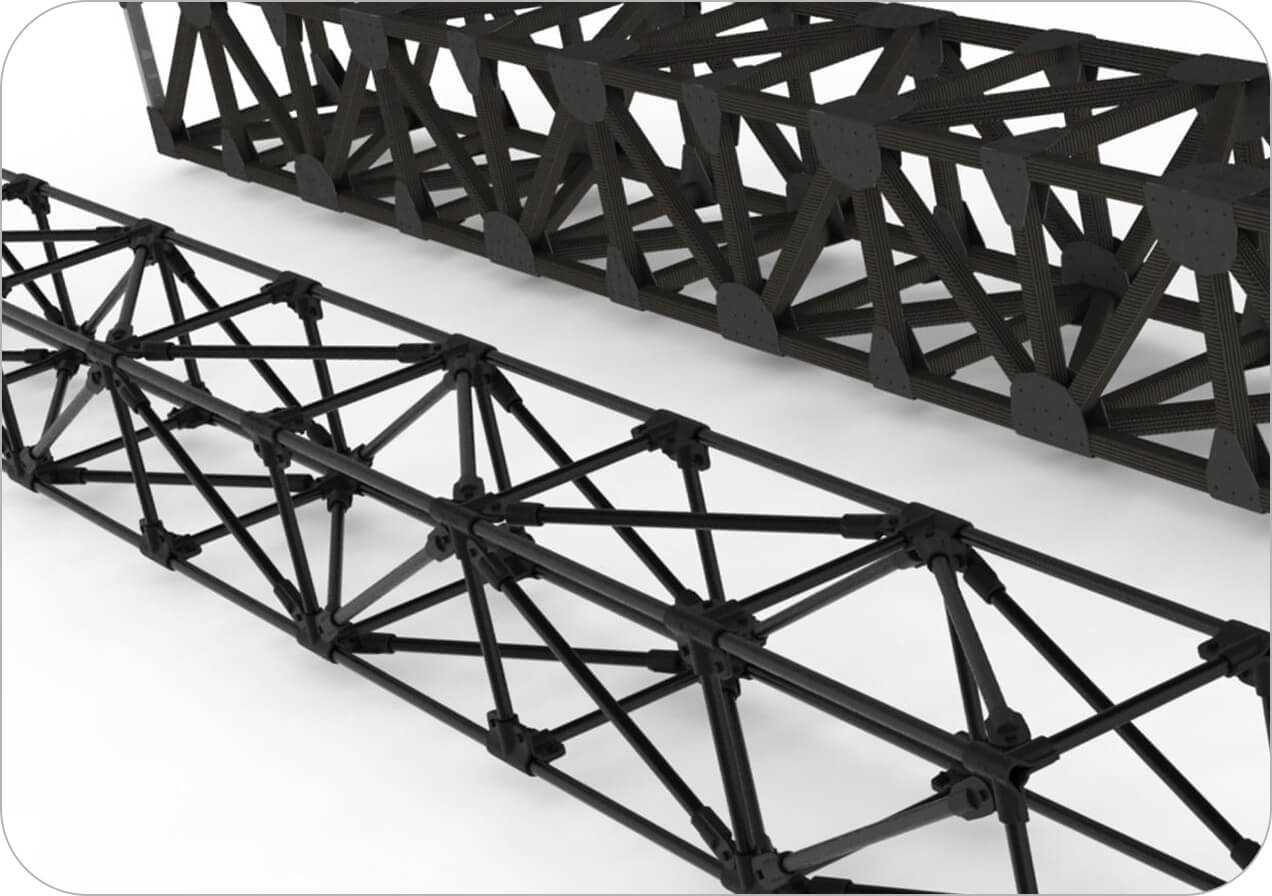
One example of design flexibility in carbon fiber is the custom design of beams with tailored stiffness along specific axes.

Element 6 Composites has developed patent-pending methods for the fabrication of carbon-fiber tubes for optimum stiffness along each bending axis. Such tubes are similar to I-Beams in their resistance to bending, yet retain the high torsional stiffness found in a tube.

Dimensional Stability

Reason 2: Low Thermal Expansion

One important benefit of choosing carbon fiber is its dimensional stability with changes in temperature. Carbon fiber has a coefficient of thermal expansion of less than one-millionth of an inch per degree F, vs 7 millionths of an inch/inch per degree F for steel, or 13 millionths in/in for aluminum.

Homogeneous / Isotropic Properties

Reason 3: Anisotropic Properties

When designing composite parts, one cannot simply compare the properties of carbon fiber versus steel, aluminum, or plastic. These materials have homogeneous (properties are the same at all points), and isotropic (properties are the same along all axes).

By comparison, carbon fiber parts are neither homogeneous nor isotropic. In a carbon fiber part, the strength resides along the axis of the fibers, and thus fiber density and orientation greatly impact mechanical properties. This provides the ability to tailor the mechanical properties of a part along any axis.

Part 2Engineering

LEARN MORE

Part 3Applications

LEARN MORE

Carbon Fiber Specialists​

© 2025 Element 6 Composites. All Rights Reserved